

Best Value Used SUVs and 4x4s Under £11,000: HPI’s Top Picks

As the UK faces colder weather, many drivers are turning to SUVs and 4x4s for better handling on challenging roads. HPI, the leading automotive data experts, have identified the best used models under £11,000, combining great value with solid performance. Top Used SUVs and 4x4s Under £11,000 Based on HPI’s research of 3-year-old vehicles with 60,000 miles, here are the best value SUVs and 4x4s: Best Value by Price Reductions HPI also highlights models with the biggest year-on-year price drops: HPI’s Expert Insight Chris Plumb, Senior Valuations Editor at HPI, explains: “The SUV market continues to grow, with plenty of great deals on 3-year-old models under £11,000. The Dacia Duster is an exceptional choice for value and practicality.” Protect Your Purchase with an HPI Check Before buying any used car, it’s essential to check its history with an HPI Check. This ensures you’re not purchasing a vehicle with hidden issues, such as outstanding finance or accident damage, and helps protect against potential scams. Conclusion If you’re looking for an affordable, reliable SUV or 4×4, models like the Dacia Duster, Subaru XV, and Ssangyong Korando offer great value under £11,000. Remember to use an HPI Check to ensure you’re making a safe, informed purchase.
How Much Is My Car Worth?

Not sure how much your car is worth? HPI’s guide explains the key factors that determine a used car’s value and how to generate an accurate valuation. ‘What’s my car worth?’ is the age-old question – and it’s usually followed by someone puffing air out of their cheeks and humming. A proper car valuation draws on lots of different factors, and unless you’re a motor trade veteran, it’s difficult to know exactly what your car is worth. The good news is that calculating an accurate valuation does not require decades of experience on dealer forecourts, because the same fundamental rules about valuation apply to all used cars. The only exceptions are rare or classic models, which require specialist expertise. HPI’s guide explains the dynamics that determine valuations and how sellers can calculate an accurate figure. What factors determine a used car’s value? Condition This is the number one element in a used car valuation. If you put two identical cars side-by-side, one immaculate and the other needing work, the former is obviously worth more. Condition works on a sliding scale, and smaller defects such as minor scuffs or stone chips generally have little effect on a car’s value, while a major fault takes a chunk off the price. Cars are emotional purchases, and it’s easy to convince ourselves that ours is better or worth more than the market dictates, but objectivity is the best policy. The more realistic you are about the car and any defects it may or may not have, the more accurate your valuation. Paperwork Call it paperwork, provenance or service history – it amounts to the same thing. A used car with a full-service history – including evidence of any repairs or maintenance work that fell outside the regular servicing schedule – is worth significantly more than one without it. As with condition, it’s a sliding scale. One or two missing service stamps might blunt the value a little, while no paperwork whatsoever takes a big bite out of the price. Gathering all the car’s documents before you work out its value, let alone advertise it for sale, is worth it, as knowing exactly what you do and don’t have will help with both. Some newer cars have digital service histories, so contact the manufacturer for evidence of these before you get stuck in. Age and mileage It’s an obvious one, but a newer car with fewer miles on the clock is worth more than an older, well-used equivalent. Age and mileage also work on a sliding scale, but the biggest impact comes at the beginning. Cars lose most of their value early in their life, typically within the first three years. This process is known as depreciation. For conventional used cars, the value continues to fall after the first three years, but the rate of depreciation slows over time. That loss is also increased or lessened by higher and lower mileage. All the gear Buyers expect a used car to come with everything it had when it was new – and that includes anything removable. At best, a missing spare key, parcel shelf or locking wheel nut key is an inconvenience. At worst, it’s a bill for the hundreds of pounds. Missing charging cables for electric vehicles are even worse because they’re a much more urgent purchase and can come with a four-figure bill. As with the service history, these items don’t add to a used car’s value, but their absence will detract from it. Cleanliness This is arguably the simplest of the lot, and it’s best to look at it from the buyer’s perspective. Which of the following would you pay more for? Again, a clean car doesn’t add value, but a dirty one won’t make as much money. Ask yourself what you’d expect – and pay more for – as a buyer, and apply the same criteria. How to value your car Ask the experts The hpi website’s free valuation tool is the fastest and most scientific way to value your car. Log onto www.hpi.co.uk, enter your vehicle’s registration number, and punch in your contact details and the site will calculate a highly accurate valuation based on an award-winning used car valuation database. The site will give you three different valuations. The private sale value is how much you can realistically expect if you sell the car yourself, the trade-in price is what you can expect a dealer to pay for it (this is always the lowest figure because dealers build in a profit margin) and the forecourt or retail price (always the highest for the same reasons) is how much a dealer will typically charge when they sell the car. Used car buyers can also use the site to perform an instant hpi check. This is a paid service (checks start at £9.99) that tells a buyer if there is anything in the car’s history of concern. The checks cover a wide range of areas, including whether a vehicle has been stolen, written off, clocked (when the mileage has been tampered with) and if it has outstanding finance. Check out the classifieds This is the low-tech way of valuing your car, but it’s still worth a look, even when you have an official valuation. Search online for used cars advertised for sale that are as close to yours in terms of age, mileage, condition, make and model as possible. It’s unlikely you’ll find an exact match, but it should give you a reasonable idea of how much your car is worth. Bear in mind the key elements from the hpi valuation: cars advertised by dealers are generally more expensive than those from private sellers. This is not only because dealers sell cars professionally and for a profit, but also because they often provide additional aftersales cover, such as warranties, whereas private buyers don’t. Again, the dealer’s trade-in value will be the lowest of all, but it’s also the fastest and most convenient way of selling a car.
Motoring terms explained
Modern life is full of jargon which often serves only to confuse. Nowhere is this more evident than in the world of used cars, where misunderstanding an acronym or technical term could land you with a whole heap of trouble. That’s why it’s so important to understand the terminology that’s bandied about. Here at HPI we have to use all sorts of terms that you might not understand. But read on and you’ll soon see there’s nothing to fear – we’ll soon have you talking like a seasoned car trader.
The Dangers Of Buying Used Tyres
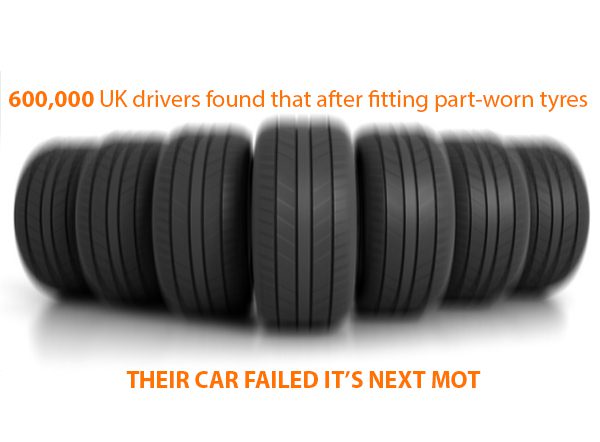
Running a car can be expensive, so it’s only natural that the idea of cutting costs can be hugely appealing. One of the easiest ways of doing this is to skimp on maintenance and to fit cheaper parts when doing so. Second-hand or pattern parts can be much cheaper than the new, branded alternative – so why wouldn’t you opt for them?
USED CAR BUYERS UNAWARE OF THE RISKS OF OUTSTANDING FINANCE
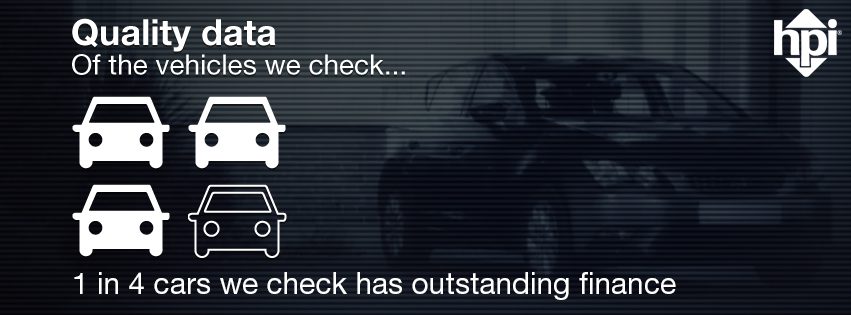
USED CAR BUYERS UNAWARE OF THE RISKS OF OUTSTANDING FINANCE Our recent survey reveals 42% of used car buyers are unaware of the risks of outstanding finance. Our latest survey reveals that a staggering 42% of used car buyers don’t know who legally owns a car that has finance owing on it. The truth is that a vehicle with outstanding finance belongs to the finance house, which has the legal right to repossess that vehicle at anytime, without warning; 1 in 4 cars checked by HPI are subject to outstanding finance. Nearly a quarter of those surveyed (23%) assumed the car belongs to the person named on the vehicle’s Log Book, highlighting the extent of misconception amongst consumers. The good news for consumers buying from a dealer is, that if they later discover the vehicle is on finance and repossessed, they will be protected by Innocent Purchaser Protection (IPP) and will be able to get back their money and buy another car.
Trusting Sellers: What profession would you most trust buying a car from?
VICARS SELLING USED CARS ARE CONSIDERED ‘DIVINE INTERVENTION’ BY PRIVATE BUYERS Our recent survey reveals 1 in 4 car buyers would most trust a vicar when buying a used vehicle. When asked what profession a used car buyer would most trust buying from when looking for a used car in the private market, one in four buyers said they would most trust a vicar. Surprisingly, only 19% voted a motor mechanic the most trustworthy person to buy a used car from, however, this was the second most trusted profession.
HPI Crushwatch & The MET Police
The Metropolitan Police have signed up to our HPI CrushWatch initiative to support their campaign to clamp down on illegal motoring. As a result, HPI CrushWatch is stopping the Capital’s untaxed and uninsured vehicles from being crushed and returning them to the finance companies that own them. In the first 3 months of it joining the Scheme, the Met Police helped us to alert lenders to over £10.5 million worth of ‘at risk’ vehicles.
Get the Price Right
To celebrate the launch of HPI Spec Check, we’re offering it free* to dealers for a limited period. Take advantage today! Valuing new stock can be challenging, especially if a vehicle has a number of factory fitted options on it that could influence the price. But the launch of HPI Spec Check, a unique valuation support service from vehicle information expert HPI, simplifies the process of valuing vehicles by drawing upon manufacturer build specification to identify the optional extras fitted on an individual vehicle.
Clocker Conviction Applauded
News this week announces the first ever conviction of an owner of a mileage correction firm following a recent OFT investigation. This dramatic development follows the recent steps by the vehicle information expert HPI, to lobby parliament to shut down such firms, by launching an e-petition and calling upon the nation to back the fight against mileage correction firms.
Turning Back Time on Clocking
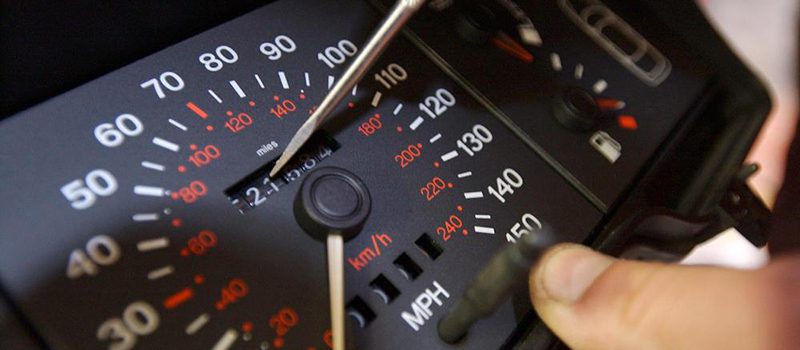
The end of October marks the end of British Summer Time and, as we turn the clocks back, we want to remind you used car buyers to watch out for unscrupulous sellers turning the clocks back on their mileage readings. Known as ‘clocking’, this not only adds significant value to a vehicle, but it could lead to higher maintenance costs, as the vehicle might have more wear and tear than the buyer realises.