

The rise of the ULEZ
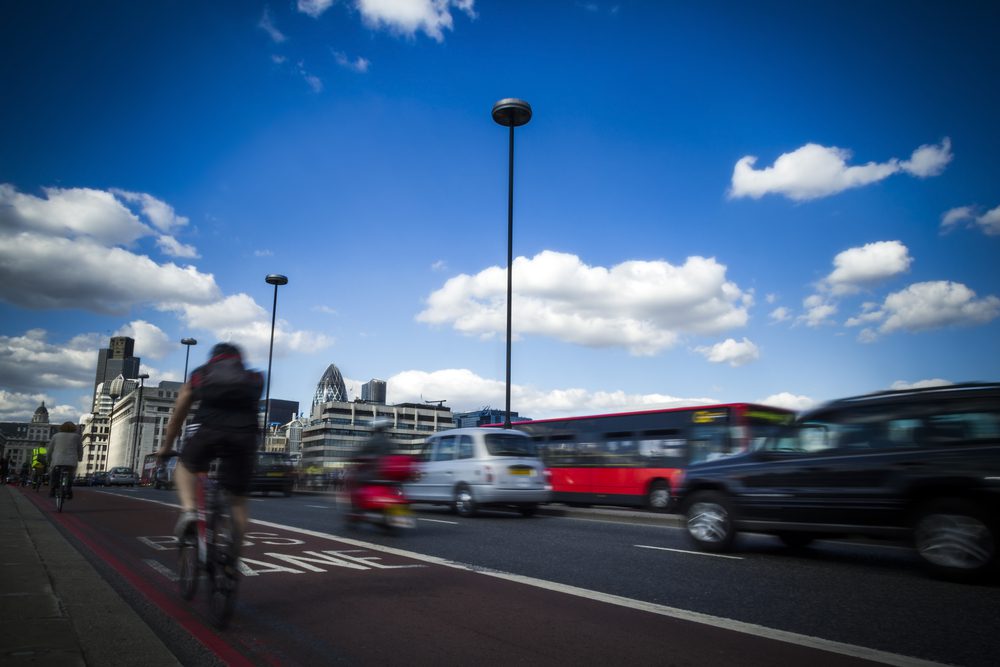
The first Low Emissions Zone was introduced in London a decade ago, air pollution has become more of a problem across the UK which is why more local authorities are introducing their own LEZs, CAZs and ULEZs.
Future Classics Car Value Tool

Future Classics has been compiled by using real-world used car adverts from around the UK; you can even see how many adverts there are for each car and where in the UK the car for sale is based.
I Can’t Afford My PCP Payments – Can I Cancel My Contract?

If you bought your car on PCP but your finances have gone awry, a Voluntary Termination might be an option worth considering. Read our post to find out what you can do and what it might cost to terminate the agreement.
How long do you leave your dashboard lights on?
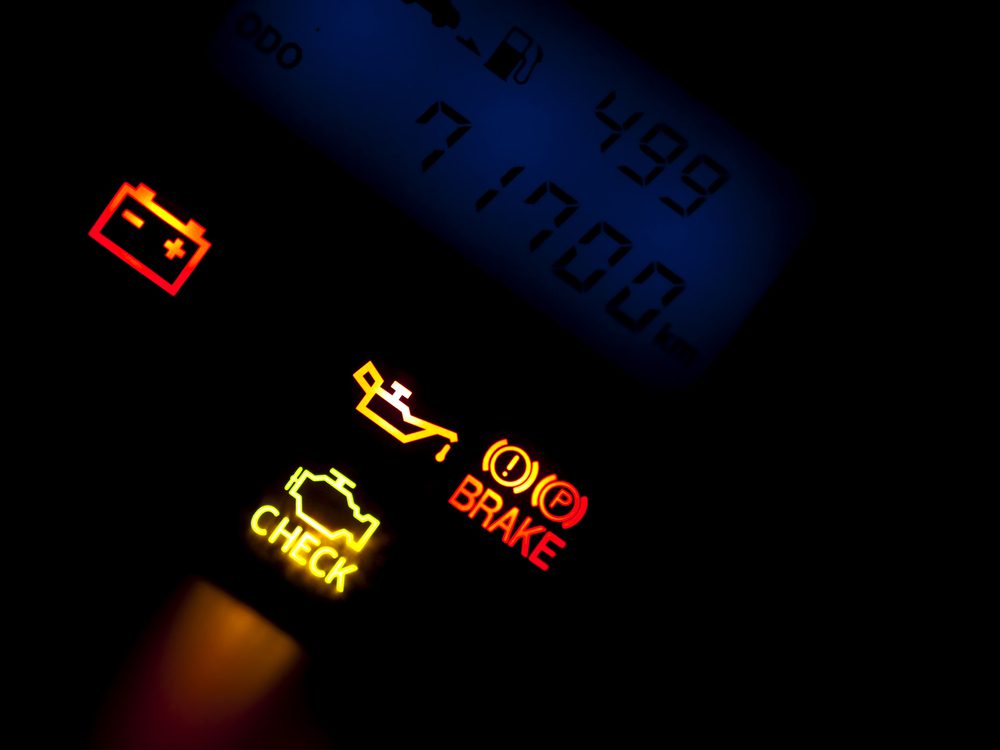
We’ve looked into UK driver’s perceptions of urgency in regards to dashboard warning lights and have discovered which lights we’re most likely to ignore.
How the Colour of Your Car Affects its Value

If you plan on keeping your brightly coloured car for more than a couple of years, be aware that its value might not stay as bright as its paintwork!
How long do you sit in traffic every day?

We’ve looked into the cost of rush hour traffic in different cities around the UK and how many hours an individual spends in traffic delays each year…
Would you buy a car via a mobile app?

For years, the golden rule that has applied when buying a car is that you should always try before you buy, yet an increasing number of consumers are prepared to purchase a new or second-hand vehicle without first putting it to the test. As part of our research into the future of motoring, we quizzed more than 1000 drivers about their relationship with technology, and in particular whether or not they would feel comfortable buying a used car via an app. Those questioned were split evenly between male and female, while every age group was also represented equally, from 18 through to 65+. Drivers from across the UK took part, with every person being a car owner. As shopping online becomes the norm, we asked our participants how far they’d take this concept; hundreds of them admitted that they’re happy to buy items such as groceries, furniture, holidays, clothing and gadgets online – but what about something much more valuable and complicated, such as a car? Surprisingly, more than one in seven (13%) of those questioned have already bought a new or used car online, without viewing it first. Some may have been cheap eBay purchases but many will have been from dealers. Intriguingly, while almost two-thirds of those who bought online had no worries about doing so, more than one third did have some qualms about the transaction, yet they still went ahead. Perhaps predictably, men were significantly more likely than women to feel comfortable buying a car in this way, even though the balance of those who shop online for other things is split almost equally between males and females. As you might expect, it’s younger buyers who are most likely to embrace buying a car via an app; by far the biggest proportion of respondents who said yes to this were aged 25-34, with only 19% saying they wouldn’t buy a new car in this way and 26% claiming they wouldn’t consider acquiring a used car via an app. Of those aged 65 or more, a whopping 71% would never consider buying a new car online while for used cars the figure is even higher at 76%. It’s easy to see why consumers feel ever more relaxed about buying without first trying. Virtually all car makers have an approved used scheme in place that allows consumers to buy a used car with a long warranty and (often) the same peace of mind as when purchasing a new car. The faith in these schemes is illustrated by the responses we got in our survey: of those who would buy a car without trying it first, the majority would feel the most comfortable if the app was created by an official dealer or a car manufacturer. If the app was developed by a third-party company that peace of mind was much less prevalent. Simply wanting to see the car in the flesh is the most common reason for not buying a used car online, while fears of getting ripped off comes in at number two. Almost one in five of those questioned said they’d never buy anything online at all, with one in six saying they’re not comfortable with how their data might be used. More than a third of those who wouldn’t buy a second-hand car over the internet admitted that it was because of a lack of consumer protection in the event of problems occurring. Unsurprisingly, consumers don’t feel quite so uncertain about buying a new car online, but almost 70% of those who wouldn’t buy a new car via the web because they’d want to see what they were buying before doing so. Of those who have never bought a car online, 15% said they might consider doing so because “The seller has an obligation to supply a car that fully matches the description and photographs” or “I’d be protected financially if the car wasn’t as described”. However, the Consumer Rights Act of 2015 allows you to ask for a full refund in the first 30 days after buying any product that proves to be faulty, and that includes used cars. Of those who might consider online car buying, but have yet to do so, 34% wouldn’t be prepared to spend more than £5000 on such a purchase, with 32% prepared to spend up to £10,000. Meanwhile, the age limit for such a purchase was most commonly set at five years while up to three years was the next most popular age limit. We didn’t ask what the maximum mileage might be, but with such relatively low budgets and potentially quite old cars, the chances of faults cropping up are quite high. Consumers clearly want to limit their potential losses by not spending too much, but without a significant budget, any purchase will be relatively old and therefore more likely to have problems. But it’s not just about whether or not the car is faulty; one of the key reasons why you might want to take a test drive before buying is to see how you gel with the car and if it fits into your life. What if you can’t get comfy because the seats are a weird shape, or you can’t park your new car because of visibility issues? What if the boot isn’t big enough to fit in your pram or golf clubs? In some ways it’s now less important that you try before you buy (improved consumer protection, greater reliability of cars, more review information available online than ever before), but for the reasons stated above it can still be worth finding the time. If you’re thinking of buying a new or used car, HPI can help you make sure it’s the right one for needs. Check out our guides on: How to choose the right car How to choose the right options The different car finance options How to get the best finance deal The complete HPI guide to buying a used car Richard Dredge June 2018
10 ‘drop tops’ for under £10k

Now the sun has finally put in a long overdue appearance, we’ve compiled a list of convertibles that motorists can pick up for under £10k. Motoring expert Clive Wilson* identifies ten cars that are relatively cheap to acquire, great for enjoying the sunshine and could even potentially be a good investment in some cases. Here’s our list of 10 drop tops you can buy for under £10k: Mazda MX5 – My personal pick of the bunch. This is the best-selling sports car in the world and for good reason. They are great fun to drive, reliable, easy to maintain and relatively practical so can be used every day. Because of its success there is lots of choice (including electric hard top folding roof variants) and even very low mileage examples can be picked up for well under 10k. Porsche Boxster – OK so you are not going to be able to purchase a late car for under 10k but look carefully and there are some good earlier examples to be had. They are extremely well built, relatively reliable and stand the test of time but above all it’s a Porsche! Condition and history are key with this car. BMW Z4 – Having only ceased production this year it is still a modern looking car with plenty of choice in the market. There are a lot of engine and trim variants so there should be something to please all tastes and most have decent factory options fitted too. Later cars have the hard folding roofs if security is a worry but check carefully they operate correctly.. Mercedes SLK – Mercedes have been making variants of this car since 1996 so there is always a large choice available. Most are automatic however, there are some manuals but harder to find. They have the kudos of the badge and are easy to live with but not as cheap to maintain as some. Renault Wind – This is a bit of a marmite car in this category but has been included on the basis of value for money. An economical car and even low mileage examples can now be found for around 4k at few years old. Not every ones taste but open top motoring does not come much cheaper. BMW 1 series – Produced since 2008 to 2013 there is lots of choice in both petrol and diesel variants with a wide range of power options for both fuel options. M Sport specification would be the best for those requiring the sportier drive which is something this marque has a reputation for as they are all rear wheel drive. VW Golf – Produced over a five year period with diesel being the most popular choice. As with all Golfs they are very well built and offer open top practicality especially as there is no folding roof option to worry about which can sometimes prove expensive should they go wrong. Mini – An iconic brand and successful car for BMW and is the only car in this group which offers both 2 and 4/5 seat options. The 4 seat version offers an interesting folding roof mechanism which can essentially offer various stages of being open from sunroof to full convertible at the touch of a button. Mini’s generally have high factory option counts so look carefully for the higher specifications. BMW 6 series – Whilst you might have to accept a higher mileage for one of these cars (so important to ensure a good service history) they do offer performance and luxury for those long summer cruises. They will inevitably be more expensive to run than the other choices here but one would expect that for a car originally costing north of 50k. Saab 9-3 – This is the value car within the 4/5 seat selection but have a good following and decent examples can be found between 5 and 10k depending on age and mileage. Cheaper examples are also available if age and mileage are not a concern and don’t be put off by the fact Saab no longer exists as there are plenty of parts stockists for this car so maintenance/repair should not be an issue. Clive added: “There’s nothing better than being able to combine top down motoring with glorious weather. There are some real 2 and 4/5 seater bargains to be had out there if bought at the right time. Naturally, the summer season isn’t the ideal time to buy a used convertible as this is traditionally the time of year when they are at a premium so for owners looking to sell on to those with the money to spare it can be very good news indeed.” If you’re currently shopping for a convertible, visit hpi.co.uk for an accurate, FREE Car Valuation, a FREE MOT History Check or an official HPI Check to verify the car’s history.
TV’s Greatest Ever Car Adverts
Here we reveal our top ten list of TV car adverts following a poll amongst its team of motoring editors and analysts. Derren Martin, head of current valuations at HPI, said: “Over the years we’ve seen some outstanding, memorable car adverts ranging from the epic and Hollywood blockbuster-esque to the more subtle and clever. Sometimes they are funny, some are like mini soap-operas running for years, and some are just genuinely bizarre. Manufacturers are always trying to go one better than their competitors with striking visuals, memorable soundtracks or catchy straplines. “Here’s our pick of what we consider to some of the most memorable car adverts of all time.” Ford Puma – From 1997, this advert digitally recreated the classic 1968 cop film ‘Bullitt’ with the ‘King of Cool’ Steve McQueen in the driving seat. The advert oozed urban cool as McQueen drove through the streets of San Francisco to a groovy soundtrack. Renault Clio featuring Nicole & Papa (1991-98) – A saga of father and daughter that ran throughout the nineties and is earned its place in pop culture. In total there were eight ‘episodes’ in this ad campaign airing in the nineties. The final adverts was a spoof of The Graduate and saw Nicole leave Vic Reeves at the altar and run away with Bob Mortimer who naturally had a Clio of his own. A staggering 23 million people tuned in to watch the final advert. Honda – The Cog. From 2003, this beautiful ad featuring a chain of colliding parts taken from a disassembled Accord and featuring ‘Rappers Delight’ by Sugarhill Gang. VW – Squeaky Earring. 1990. A classic and funny advert, featuring a driver driven mad by the sound of his passenger girlfriend’s squeaky earring. Featured the strapline ‘If only everything in life was as a reliable as a Volkswagen’. Citroen C4: Transformers (2004) This advert featuring a dancing robot car was made by Neill Blomkamp,director of District 9 and Elysium. Skoda Fabia: Cake (2007) – Amazing advert where bakers are shown making differently shaped and sized cakes and then assembling them into something. It becomes clear eventually that they are assembling an orange car, but it’s only when you see a Skoda badge being fixed to the front of the cake car that the brand is revealed. All set to the soundtrack of Julie Andrews singing My Favourite Things Peugeot 206: The Sculptor (2003) – Memorable advert filmed in Jaipur where an Indian motorist turns his Hindustan Ambassador into a Peugeot 206 after seeing the car in a newspaper advert. VW Golf GTI: Singin’ in the Rain (2005) – Featuring a CGI Gene Kelly in a scene from the classic musical Singin’ in the Rain. Kelly then proceeds to start break-dancing ending up next to a parked GTI, and then tips his hat to it. In a clever twist on what the makers have done with the original movie, the caption reads: “The new Golf GTI. The original, updated.” Peugeot 405: Take my breath away (1988) – There’s a lot of fire in this advert although the reasons why are never explained. Still, it’s an action packed advert featuring Berlin’s smash hit ‘Take My Breath Away’ from the Top Gun soundtrack which helped make it even more memorable. Vauxhall Meriva and Zafira: Little dads (2004) – Great advert featuring stereotypical British dads having a conversation on their driveways – but as young boys. It successfully highlights the technology and spec of the car whilst communicating the family friendly accessibility which was directly in line with Vauxhall’s target audience. Derren adds: “One thing is for sure and that is when it comes to motor advertising simply showcasing a car’s features is not enough – it takes much more than that to make a memorable advert. Car makers spend big money on advertising, so it’s no wonder that certain ads are so memorable and stand the test of time.”
The HPI Check Electric Vehicle Study
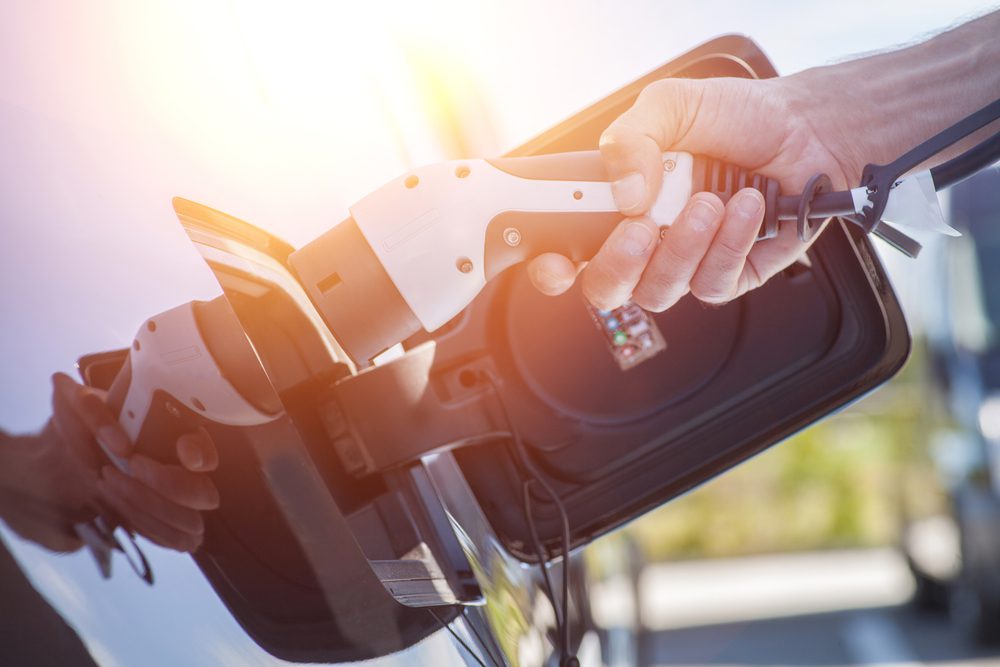
Electric vehicles (EVs) are getting more and more popular around the world. And it’s easy to see why. They provide a greener and more efficient alternative to some of the vehicles currently dominating our roads. But not everyone is convinced by them, with many drivers giving electric cars a wide swerve when it comes to choosing their next vehicle. With all of this in mind, we decided to dig deeper into the thoughts and opinions of drivers in Britain and beyond. Our focus was on the reasons why people would or wouldn’t make the move to electric. We also looked at how some commonly held negative opinions are in fact misconceptions, and how these are keeping electric vehicles from becoming the car of choice. Overall Survey Results Combining the British and international results, we found that 83% of respondents said they would consider purchasing an electric vehicle. This is a sizeable majority, but still leaves almost one fifth of drivers (17%) who wouldn’t want to go electric. In terms of gender, men are more open to purchasing electric vehicles, with 87% welcoming the idea. This can be compared with a lower proportion of women, at 78%, who would consider an electric car. When it comes to age groups, our survey found that millennials are the most open to EVs, with 91% of the 25-34 demographic saying that they would consider them. The 55-64 group, on the other hand, responded positively only 32% of the time. Results by City The UK city where people are most likely to adopt electric cars is Edinburgh, with a 94% positive response rate. This is closely followed by Sheffield, Manchester, Bristol and London. Interestingly, these are all prominent university cities, perhaps suggesting a link between high levels of education and a willingness to adopt new ideas. With only 23% of respondents saying that they would turn to an EV, Nottingham was the UK city least likely to adopt this form of transportation. Residents of Norwich, Liverpool, Cardiff and Newcastle were also unlikely to choose electric vehicles. Results Internationally Around the world, we found that respondents in Mexico were the most open, at 93%, to the idea of electric cars. Brazil was also highly positive, with 90% of respondents there saying that they would embrace EVs. At the other end of the scale, only 25% of Hong Kong’s respondents were positive about adopting these types of vehicles. Russia, Singapore and France also received very low scores. These are the full international results, showing the percentage of those who would choose to drive an electric car: Mexico – 93% Brazil – 90% India – 87% Spain – 82% Germany – 76% Italy – 75% Turkey – 71% Canada – 67% Indonesia – 60% Australia – 58% South Korea – 57% The Netherlands – 55% France – 50% The USA – 47% Singapore – 44% Japan – 40% Russia – 40% Hong Kong – 25% Interestingly, it is the older generation in countries other than the UK who are more willing to buy electric cars than the younger generation. This can be seen in results such as the 100% positive response rate from those in Australia’s 45-54 age range and the 73% rate from those in Canada’s 45-54 range. Why People Aren’t Going Electric in the UK In our survey we tackled the question of why people wouldn’t buy an electric vehicle. In the UK, the results showed that respondents are most worried about a perceived lack of charging points. However, this is a common misconception, as most electric cars can be charged from any mains outlet. Price is also a major concern, which is understandable when considering the cost of a new EV. But it should be noted that the cost of running an electric vehicle is generally very low compared to other forms of motorised transport. So, this is perhaps another misconception. When it comes to running out of charge and taking too long to recharge, we have found further misconceptions. Some electric cars can take as little as half an hour to recharge completely and have highly accurate gauges that tell drivers when they are low on charge. While electric cars in some instances may have lower ranges than combustion vehicles, they are so easy to charge that longer journeys can be undertaken with confidence. So, the final top reason that UK drivers would go electric – low range – is perhaps yet another misconception to add to the list. Battery Misconceptions When it came to the subject of servicing, 61% of all respondents believed that the batteries of an electric vehicle needed to be changed within the first two years. Many respondents (34%) even believed that it was necessary to change the battery within the first year. Both these beliefs are flat-out misconceptions. However, it is of interest to note that so many people hold them – even those who would choose to buy an electric car. Chris Plumb, Black Book Editor of HPI Check, commented, ‘It’s surprising how many people think batteries needs replacing so early in their life when there is no real evidence of this. In fact, batteries seem to be outperforming the industry’s expectations.’ Reasons from International Respondents Globally, the reasons why people wouldn’t adopt electric cars closely followed the responses from the UK, except there was also a concern about safety. This should be seen as a misconception, because electric cars have to pass the same safety standards as any other types of vehicles. Some international respondents cited performance issues as being a reason not to adopt an electric car. While combustion vehicles may have the edge in terms of outright performance, when it comes to driving within the speed limit, there is very little difference between the two types of vehicles. So, this could be yet another misconception. Comments from Respondents Many of the remarks made by respondents expressed the fallacies mentioned above. ‘Not many places to charge up,’ and, ‘charging problems,’ were just two comments which