

DON’T SINK YOUR CASH INTO A FLOOD-DAMAGED CAR

HPI shares recommendations for motorists considering purchase of flood-damaged cars cap hpi, part of Solera Holdings, Inc., a global leader in risk and asset management data and software solutions for the insurance and automotive industries, is urging motorists to be aware of the dangers of buying flood and water damaged vehicles with temptingly low price tags. Over 730,000 written off cars are uncovered every year – more than 2,000 vehicles identified every day – by leading vehicle data and valuation specialist HPI. Unfortunately for consumers, these flood damaged cars are increasingly being offered for sale by unscrupulous sellers who won’t always declare to buyers that they are insurance write-offs. Fernando Garcia, consumer director at HPI said: “It’s not illegal to professionally repair and sell Category C and D insurance write-off cars, but those that have been declared a Category A and B write-off are only good for the scrap heap or spares; they should never be returned to the roads. Unfortunately, fraudsters are willing to patch up and disguise written-off vehicles and sell them on to unsuspecting buyers.” A flood-damaged vehicle that hasn’t been appropriately repaired is likely to need engine components wholly replaced to ensure these parts work safely and correctly. Brakes, starter motors and catalytic converters can fail at any point and pose a risk to drivers, their passengers and pedestrians. However, there’s an added danger for buyers in that some car owners may innocently try to sell on their flood-damaged vehicle, once its interior has dried out and has been professionally cleaned, as these owners may be uninformed that the vehicle remains potentially hazardous. While the owners are genuinely unaware of the hidden dangers that flooding may have caused to the mechanics of the car, omitting its history to a potential buyer will leave the new owner in the dark about its real condition. “We recommend that buyers considering a used bargain conduct a vehicle history check to reveal if the car has been declared an insurance write-off and importantly, what category write-off it is,” added Garcia. “Not all written off cars should be avoided. Category C and D write-offs that have been professionally repaired and declared roadworthy can sometimes present a real bargain.” The HPI Check gives used car buyers the confidence they need to shop around knowing they can easily find out a vehicle’s hidden history. In addition to confirming if a vehicle has been written off, the HPI check includes a mileage check against the National Mileage Register as standard, now with over 330 million mileage readings and also cross references with the mileage last recorded at the time of the previous MOT. It also confirms whether a vehicle is currently recorded as stolen by the police or has outstanding finance against it. HPI’s Used Car Flood Damage Check List • Are the electrics fried? Check that the windows open and close. • What’s that smell? Does the interior of the car smell damp or musty or is the seller trying to mask it with air freshener? • Damp underfoot? Feel the foot wells to check that the carpet is dry and check if there is condensation on the inside of the windows. • Is that rust? If there are signs of rust or corrosion, check that it matches the age of the car and the car’s mileage. • Pop up the bonnet – Don’t forget to check under the bonnet for signs of damp or rust. • Shine a light – Take the car for a test drive and check that the lights all work on the dashboard. • It’s getting hot in here – Put the heating on – how quickly do the windows steam up? • Don’t take the risk – Conduct an HPI Check to find out if the car has previously been a write-off. HPI also suggests that due to a growing number of flood-damaged cars that haven’t been subject to an insurance claim likely to make a return to the roads, buyers should get a mechanic to check for damage and expose any problems before an offer is made. For more information, please visit <NEED WEB LINK HERE>. ### ABOUT CAP HPI cap hpi provides decision support data and software solutions spanning vehicle valuation, validation, collision, mechanical repair, and total cost of ownership. cap hpi helps users make smarter automotive decisions by providing one source for data and software solutions that uniquely span the whole vehicle lifecycle; new, used and future vehicle valuation, validation, collision, mechanical repair and total cost of ownership. All data is uniquely connected by the cap hpi code and a single methodology across all markets and sectors. cap hpi puts technology at the centre of all data activities, from collection and processing, through to delivery and the development of new applications. It operates from an international hub in the UK; that ensures its systems, coding, data collection processes, and valuation methodologies are consistent, scalable, repeatable and of the highest quality for every country. Valuations and forecast data are managed by local industry experts to ensure insight is added to each data set to enhance accuracy. cap hpi operates as part of Solera, a global leader in risk and asset management data and software solutions for the automotive and insurance industries. ABOUT SOLERA Solera is a global leader in risk and asset management data and software solutions, empowering companies across the automotive and insurance ecosystem with trusted solutions that adhere to the highest standards of data privacy, security and integrity to support connectivity across the vehicle value chain. Solera’s solutions bring together customers, insurers and suppliers, empowering smarter decision-making through service, software, enriched data, proprietary algorithms and machine learning that come together to deliver insight and ensure customers’ vehicles and property are optimally maintained and expertly repaired. The company is active in over 90 countries across six continents, processing more than 300 million digital transactions annually for over 235,000 customers and partners. By drawing on the market-leading solution capabilities and business process best practices from its
HPI STEPS IN TO HELP MOTORISTS WHO DON’T KNOW THEIR PHEVS FROM THEIR BEVS

HPI STEPS IN TO HELP MOTORISTS WHO DON’T KNOW THEIR PHEVS FROM THEIR BEVS Demand for alternative fuelled vehicles (AFVs) is booming and HPI is helping motorists to unravel confusing vehicle terminology. HPI, part of Solera Holdings, Inc., a global leader in risk and asset management data and software solutions for the insurance and automotive industries, has set about unravelling some of the confusing terminology and acronyms associated with the motor market. Motorists have a wide range of options when choosing an alternative fuelled vehicle from mild hybrid to pure electric vehicles. Many drivers are seriously considering an AFV as their next car for reasons ranging from environmental concerns to changing tax policy. Last year, hybrid and electric alternative vehicle registrations rose by around 25%. While diesel vehicles remain a sensible choice for high mileage drivers, hybrids and plug-in hybrids appeal as tax-efficient business motoring alternatives offering cost-effective motoring over urban driving cycles. MHEVs diesels (Mid Hybrid Electric Vehicles) have seen an unprecedented 949% increase with a total of 19,490 registrations for the year to date compared with just 1,857 across the whole of 2018. The latest models of electric vehicles offer driving ranges of over 200 miles on a single charge and plug-in hybrids (PHEVs) use a petrol or diesel engine alongside the electric motor removing any range anxiety. Manufacturers are expected to introduce at least 35 new makes and models of AFVs in 2020 and HPI believes that with such an array of new vehicle acronyms hitting the market, it could lead to widespread confusion amongst motorists. HPI has produced a definitive list of new vehicle terminology to help consumers avoid confusion: AFVs Alternative Fuel Vehicles – vehicles not powered by petrol or diesel internal combustion engines. BEV Battery Electric Vehicle – vehicle powered solely by a battery charged from an external power source. BIK Benefit In Kind – non-wage compensation to employees; includes company cars CAZ Clean Air Zone EV Electric Vehicle – the broadest category of vehicle, including all types of electrified vehicles HEV Hybrid Electric Vehicle – vehicle combining a conventional internal combustion engine with an electric propulsion system ICE Internal Combustion Engine – a conventional petrol or diesel engine LEZ Low Emission Zone M1 – vehicles designed and constructed for the carriage of passengers and comprising no more than eight seats in addition to the driver’s seat mHEV Mild Hybrid Electric Vehicle – a vehicle with an internal combustion engine assisted by an electric generator; mHEVs cannot run on electric power alone NEDC New European Drive Cycle – test to assess the emission levels and fuel economy of passenger cars NEDC Correlated – WLTP-derived CO2 values translated back to NEDC-equivalent values PEV Plug-in Electric Vehicle – includes both PHEV and BEV PHEV Plug-in Hybrid Electric Vehicle – an HEV in which the battery may be charged from an external power source PiCG Plug-in Car Grant – UK Government-funded plan to subsidise the price of plug-in cars (PHEVs and BEVs) REX Range Extender – small internal combustion engine used to provide power to a BEV when the battery is exhausted ULEZ Ultra-Low Emission Zone – an area within which all vehicles need to meet exhaust emission standards WLTP Worldwide Harmonised Light Vehicle Test Procedure – replaced NEDC in the UK from September 2018 Chris Plumb, senior valuations editor and EV specialist at HPI, said: “Most car manufacturers are making significant investments in their EV ranges in particular. As a result, the UK will see a rapid expansion in the number of models available and the technology used.” “The rise in the number of alternative fuelled vehicles about to hit the market marks a radical step forward. Many manufacturers are planning to electrify their entire product range by the middle of the next decade.” The top four best-selling new electric vehicles throughout 2018 were the Nissan Leaf, BMW i3, Volkswagen Golf-electric and Renault Zoe electric. Ends Notes to editors: About cap hpi cap hpi provides decision support data and software solutions spanning vehicle valuation, validation, collision, mechanical repair, and total cost of ownership. cap hpi helps users make smarter automotive decisions by providing one source for data and software solutions that uniquely span the whole vehicle lifecycle; new, used and future vehicle valuation, validation, collision, mechanical repair and total cost of ownership. All data is uniquely connected by the cap hpi code and a single methodology across all markets and sectors. cap hpi puts technology at the centre of all data activities, from collection and processing, through to delivery and the development of new applications. It operates from an international hub in the UK; that ensures its systems, coding, data collection processes, and valuation methodologies are consistent, scalable, repeatable and of the highest quality for every country. Valuations and forecast data are managed by local industry experts to ensure insight is added to each data set to enhance accuracy. cap hpi operates as part of Solera, a global leader in risk and asset management data and software as a service (SaaS) solutions for the automotive and insurance industries. About Solera Solera is a global leader in risk and asset management data and software solutions for the automotive and insurance industries. Solera is active in over 90 countries across six continents. Solera has over 235,000 customers and partners, including many of the largest U.S. and European P&C insurance companies and most of the world’s largest vehicle OEMs, as well as national governments, financial institutions, vehicle dealership, vehicle repair shops, salvage yards and vehicle buyers and sellers. For more information about Solera visit www.solera.com.
HPI CONJURES UP HOLLYWOOD’S MOST ICONIC VILLAINOUS VEHICLES

Scariest vehicles from the movies are revealed in Halloween poll HPI, part of Solera Holdings, Inc., a global leader in risk and asset management data and software solutions for the insurance and automotive industries, digs up the creepiest movie cars for Halloween. Automotive data expert HPI has unearthed its top creepy cars from the silver screen following its latest poll amongst its team of motoring editors. Fernando Garcia at HPI said: “Halloween is looming and the team here thought it would be great fun to recall some of the cars playing starring roles in movies that have given us the chills over the years. “The HPI team has compiled some menacing movie motors ranging from possessed trucks and sports cars to classics and even an ambulance!” The Top 10 list of fearful films to feature cars or trucks: 10. Maximum Overdrive (1987) – Directed by the master of horror Stephen King, this features a collection of marauding vehicles including a whole fleet of sinister semi-trailer trucks that go on a murderous rampage. 9. The Wraith (1986)- A high-performance Dodge M4S prototype with a mysterious teenage driver (Charlie Sheen) who’s out for revenge. 8. Duel (1971) – Directed by a young Steven Spielberg this chase thriller features a 1955 Peterbilt 281 tanker truck driver with a major case of road rage hell-bent on revenge against motorist (Dennis Weaver) down a deserted highway. 7. The Car (1977) – A supernatural black 1971 Lincoln Continental rampages the roads in this seventies road movie. 6. Zombieland (2009) – Woody Harrelson’s Cadillac Escalade is the perfect vehicle for surviving the zombie apocalypse – especially when pimped up with a snowplough on the front end! 5. Death Proof (2007) – Quentin Tarantino’s grindhouse flick sees a serial killer stuntman (Kurt Russell) using his death-proof stunt car to create elaborately staged accidents where he murders young women. The two death-proof cars used in the film are the 1970 Chevy Nova and the 1969 Dodge Charger. 4. Jeepers Creepers (2001) – the famous classic vehicle that terrorises two siblings on their way home from spring break is a 1941 Chevrolet COE (Cab Over Engine). Unmistakably creepy especially with its registration plate, BEATNGU. 3. The Evil Dead (1982) – The notorious eighties video nasty also features an Oldsmobile Delta 88 that belonged to director Sam Raimi when he was in high school. It has appeared in all three Evil Dead films and eventually, it gets its own body armour, spinning death-blades attached to it, and even travels through time. 2. Ghostbusters (1984) – Popular 80s blockbuster Ghostbusters is more of a comedy that a horror movie but the iconic ECTO-1, originally a 1959 Cadillac Ambulance, plays a memorable role as the ghost fighting machine we all know and love. 1. Christine (1983) – Another Stephen King adaptation this is the ultimate four-wheeled fury. A beautiful but berserk 1958 Plymouth Fury in fact, with a penchant for regeneration and mowing down innocent people all in the name of love for its besotted owner. Ends Notes to editors: About cap hpi cap hpi provides decision support data and software solutions spanning vehicle valuation, validation, collision, mechanical repair, and total cost of ownership. cap hpi helps users make smarter automotive decisions by providing one source for data and software solutions that uniquely span the whole vehicle lifecycle; new, used and future vehicle valuation, validation, collision, mechanical repair and total cost of ownership. All data is uniquely connected by the cap hpi code and a single methodology across all markets and sectors. cap hpi puts technology at the centre of all data activities, from collection and processing, through to delivery and the development of new applications. It operates from an international hub in the UK; that ensures its systems, coding, data collection processes, and valuation methodologies are consistent, scalable, repeatable and of the highest quality for every country. Valuations and forecast data are managed by local industry experts to ensure insight is added to each data set to enhance accuracy. cap hpi operates as part of Solera, a global leader in risk and asset management data and software as a service (SaaS) solutions for the automotive and insurance industries. About Solera Solera is a global leader in risk and asset management data and software solutions for the automotive and insurance industries. Solera is active in over 90 countries across six continents. Solera has over 235,000 customers and partners, including many of the largest U.S. and European P&C insurance companies and most of the world’s largest vehicle OEMs, as well as national governments, financial institutions, vehicle dealership, vehicle repair shops, salvage yards and vehicle buyers and sellers. For more information about Solera visit www.solera.com.
NEW RESEARCH FROM HPI SHOWS CAR BUYERS WANT DOCUMENTATION

Independent research reveals that 90% of motorists would be more likely to buy a vehicle if they could see its past history. HPI, part of Solera Holdings, Inc., a global leader in risk and asset management data and software solutions for the insurance and automotive industries, today announced findings from a recent independent research study conducted with 2,000 motorists. In addition to findings that 90% of motorists would be more likely to buy a vehicle if they could see its past history, the research also shows: 75% of motorists would be completely put off buying a car without a full service history. Over a quarter, 27%, would expect to receive a discount off the asking price for incomplete vehicle history. Nearly half, 48%, feel that knowing a car has its full-service history stamps and has never previously been written off or scrapped are jointly the most important pieces of information to know before making a purchase. “HPI research shows that a comprehensive profile will give a buyer more confidence that the car has been looked after and that the asking price is fair,” said Fernando Garcia, consumer director, HPI. “79% of respondents said they’d view a vehicle with a full digital history as more valuable and 26% felt that full documentation and receipts for repair work could add more than 10%.” HPI has developed a new virtual garage app to make the process of selling, buying and owning cars simple and secure. The free app, myHPI, was created by HPI’s consumer team and uses real-time data to generate live vehicle history records. It is the most advanced virtual garage tool available to motorists with comprehensive data available on each vehicle and, as this is the first release of the app, will evolve with new features and upgrades to provide motorists with even greater vehicle data access. Features of the myHPI app which can benefit motorists include access to any past HPI Check reports and valuations, safe digital storage for all car-related documents and service, maintenance or repairs receipts, automatic alerts for MOT and tax due dates, customisable notifications for other important events such as insurance renewal, a calendar showing key events in the car’s lifecycle and free manufacturer recall updates (which usually cost £2.95). “This is an exciting new consumer tool from HPI and a valuable resource for millions of used car owners around the UK. The technology behind it clearly demonstrates our ongoing commitment to innovation with our customers firmly in mind,” said Garcia. myHPI is great for car shopping, allowing important information to be saved and compared about each car you’re interested in. Once the car has been bought, it can be easily moved to an online list of cars owned and a detailed digital history can be built. The app also allows motorists to keep track of everything they need to remember as an owner. Users can access the MOT and tax data via the app to ensure that they will never miss an MOT again. Reminders can also be set for when insurance is up for renewal or a service is due. By building a car profile, users are creating an organised, digital history that will add more value to the car when the time comes to sell. For more information visit www.hpi.co.uk/myhpi.html or to download the myHPI app visit the app store and search ‘myHPI’. Ends Notes to editors: About cap hpi cap hpi provides decision support data and software solutions spanning vehicle valuation, validation, collision, mechanical repair, and total cost of ownership. cap hpi helps users make smarter automotive decisions by providing one source for data and software solutions that uniquely span the whole vehicle lifecycle; new, used and future vehicle valuation, validation, collision, mechanical repair and total cost of ownership. All data is uniquely connected by the cap hpi code and a single methodology across all markets and sectors. cap hpi puts technology at the centre of all data activities, from collection and processing, through to delivery and the development of new applications. It operates from an international hub in the UK; that ensures its systems, coding, data collection processes, and valuation methodologies are consistent, scalable, repeatable and of the highest quality for every country. Valuations and forecast data are managed by local industry experts to ensure insight is added to each data set to enhance accuracy. cap hpi operates as part of Solera, a global leader in risk and asset management data and software as a service (SaaS) solutions for the automotive and insurance industries. About Solera Solera is a global leader in risk and asset management data and software solutions for the automotive and insurance industries. Solera is active in over 90 countries across six continents. Solera has over 235,000 customers and partners, including many of the largest U.S. and European P&C insurance companies and most of the world’s largest vehicle OEMs, as well as national governments, financial institutions, vehicle dealership, vehicle repair shops, salvage yards and vehicle buyers and sellers. For more information about Solera visit www.solera.com.
Bragging on Instagram – Half of Brits Post Pictures of Cars Online

How many Brits are guilty of bragging on Instagram? Are you guilty of whipping out your phone mid-night out to get a snap of expensive cocktails for your social media feed? Before tucking into a three course home cooked meal, do you make sure you’ve got the perfect picture of your masterpiece? Or have you taken a picture of your designer watch in front of your car steering wheel – with the manufacturer badge clear for everyone to see? You’re not alone. ‘Insta-bragging’ is increasingly common in 2019. Which got us thinking about how people really feel about it? Which are the most bragged about cars on social media? And how does this compare with the most popular cars in the country? We decided to find out. Which cars are the most popular in the UK? After checking out the latest sales data from the Department of Transport, profile information from YouGov, as well as the number of hashtags used on Instagram for each car manufacturer, it turns out that Ford have hit the top spot. Ford is ranked the most popular manufacturer in the UK, selling more cars than any other brand with just under 145,000 registrations in 2019 alone. It seems that Ford car owners like to showcase their new set of wheels on Instagram, as they ranked 3rd overall for number of hashtags used. In close second was Audi – largely thanks to their sales volume and their positive opinion score from YouGov. After this, BMW, Mercedes-Benz and Volkswagen all appeared in the top five most popular cars in the country. So we know which manufacturers are the most favoured overall – but which are the most bragged about on social media? BMW: The UK’s most Insta-popular manufacturer Our research has revealed that the most bragged about car manufacturer on Instagram is BMW. Owners of these sleek motors are keen to flaunt them to their followers, with a huge 41 million hashtags currently live on the app. In second place was Honda, with over 30 million hashtags used across Instagram. Ford, Audi and Toyota were close behind, all with over 18 million hashtags each. Interestingly, Mercedes-Benz – didn’t appear in the top five most popular cars on Instagram, sitting in position 11, despite being in the top five popular cars in the country. Perhaps Mercedes owners are less inclined to get a great selfie with their new wheels to brag to their nearest and dearest? So, how many of us are actually guilty of Insta-bragging? It turns out that over a quarter of Brits ‘Insta-brag’ at least once per day, and one in ten bragging multiple times each day. So, what are we so keen to show off? Well, it seems that food is what most of us like to flaunt to our followers – with over 90% of those surveyed admitting to snapping and uploading their tasty treats. Lavish drinks such as cocktails, fancy coffees and so on were close behind with 83% saying they’d brag about them on social media. When it comes to cars, almost half of us admitted to posting a picture of our wheels on social media as an Insta-brag. Drivers in Glasgow are most likely to do so, with 95% admitting to flaunting their cars online. But which city has the most Insta-braggers? Glasgow: The UK’s biggest bragging city With 95% admitting to boasting about their cars online and 70% stating they Insta-brag at least once per day, Glasgow is the biggest bragging city in the UK. On the other hand, Norwich is home to those least likely to show off, with just 10% of respondents saying they brag on Instagram. While many of us are keen to show off our new car or latest restaurant trip on Insta – the majority of posts don’t hit the spot with followers. One in ten Brits feel jealous when they see their friends bragging on social media, and just under two thirds get annoyed with them for doing so. Are you guilty of bragging on Instagram? Do you post daily brags to your followers or simply like to showcase your big purchases – like your latest car? Whatever you choose to do – it seems that Insta-bragging will continue to fill timelines for the foreseeable future. If you’re interested in similar motoring topics, please feel free to bookmark our blog.
Learning to drive: Is it a fading trend?

Learning to drive is a rite of passage for many. As soon as they turn 17 and can apply for their provisional license, many teens begin their driving journey. However, with the rising costs associated with not only learning to drive, but also running a car after passing, how many people are bypassing this skill and relying on public transport or other means to get them from A to B? At HPI, we decided to take a deeper dive and find out. Nottingham: Reliant on public transport From our in-depth research and having spoken to 1,000 drivers and non-drivers to see how their access (or lack of access) to a car affects their day-to-day lives – we received some interesting results that may surprise you. It seems as though many of those living in Nottingham are happy continuing to take public transport, with only half of people possessing a full driving license. In an extreme contrast, it seems as though those residing in Leicester have a very different view. Despite its good transport services, those in the East Midlands city much prefer having the freedom that having a driving license brings, with a staggering 83% of people having passed their test. What’s the reasoning? Our survey found that well over half of non-drivers (64%) have absolutely no intention in taking their test in the near future, with the vast majority being male (78%). While the cost of buying a car may be the biggest sticking point for many (48%), it’s no surprise with that in mind, that the next most popular reason to bypass the skill is the cost of running a car once you’ve got one (40%). With the state of the planet at the forefront of everyone’s minds at present, it seems only fitting that environmental factors were another common reason given for people choosing to bypass driving, with 24% of men but only 6% of women deeming this their excuse. Our research also found that those living in Belfast are particularly keen on helping the planet, with this being their biggest barrier to taking a driving test (33%). Cost & time: Deciding factors? Did you choose not to take your test because of the impending cost of the lessons, theory, practical test and subsequently the cost of buying the car itself? With the cost of buying some new or used wheels on the rise, and set to continue to rise with the launch of highly anticipated electric only or hybrid models, there’s no surprise that almost half (48%) of people we surveyed said they were put off learning because of how expensive it all was. Interestingly, however, our data shows that drivers actually spend less than non-drivers on their monthly transport costs (£93 vs. £121)! While driving does seem, more often than not, to be the most expedient method of travel, it appears where our daily commute is concerned, you may not save a great deal of time. Of the people we spoke to, both the drivers’ and non-drivers’ commute to work averaged at around 32 minutes – overall driving to work would only save you a measly 8 seconds. What are your reasonings for bypassing? Whether you’re a teen, a twenty-something or are in your forties, if you have skipped this rite of passage altogether, it’s worth asking yourself, why? Was this due to cost, environmental factors, or perhaps because your inner city transport options are second to none? Does your day-to-day life suffer because of your fear of driving – if it does you’re not alone as over 28% of people we spoke to feel the same. Whatever your reasons for not getting behind the wheel, it seems as though many of us Brits are happy and content with utilising the great public transport services we have available. If you’re interested in similar motoring topics, please feel free to bookmark our blog.
Should I buy a used diesel car?

Last week we gave you the inside track on buying a new diesel car; this week we’re turning our attention to the used car market, in which much greater numbers of transactions are made. Compared with the two million or so new car sales in the UK each year, around eight million used cars change hands. Thanks to the boom in diesel car sales up until 2017, many of those second-hand cars are powered by this rather than petrol – but should you buy one? In recent times diesel has had an incredibly bad press, with a lot of misinformation being disseminated through the mainstream media. One of the key myths peddled is that values of diesel cars have collapsed, when in reality nothing could be further from the truth. There’s still appetite in the used market for diesel cars, but supply of newer cars has slightly reduced because of the smaller numbers of new diesels being sold since 2017. Diesel’s share of the new market was around 50% not that long ago, but by 2017 this had dropped to 42%, just 32% in 2018, and so far this year the figure is an extremely low 28%. We reckon that by 2025 diesels might account for just 15% of the new-car market, and next year will mark a turning point in the used car market, because that’s when the final peak of ex company diesel cars will be entering the used-car market. These were purchased in late 2016 and early 2017 and they’ll get to the end of their three-year terms. From the middle of next year the supply of recent used diesels will diminish ever further – but with little evidence of reduced demand for these second-hand vehicles. Normal rules would mean that this change in the balance of supply and demand would see values going up – we haven’t seen this, but what we have seen is fairly normal deflation. As a result, if you were hoping to snap up a bargain thanks to values of used diesel cars being in free fall, you’ll be disappointed. That’s the bad news; the good news is that values are likely to remain healthy, so you shouldn’t lose your shirt by purchasing one. In the previous article we raised the spectre of buyers opting for or against diesel because of four key considerations: running costs, air quality, the driving experience and restrictions on use. Here’s what you need to know about each of these areas if you’re in the market for a second-hand diesel car. Running costs The bigger the car the greater the difference in fuel costs between petrol and diesel. Petrol-powered SUVs and large saloons or estates tend to be very thirsty and for these, diesel is still the most sensible option from a fuel costs point of view. However, maintenance costs tend to be higher because of the diesel engine’s increased complexity which can lead to reduced reliability (and hence bigger repair bills). Insurance costs tend to be no higher, and road tax costs are normally lower because cars registered between March 2001 and March 2017 are taxed according to their CO2 emissions. And with diesel cars emitting less CO2 than petrols, road tax costs are correspondingly lower. So on balance a diesel-engined car should be cheaper to run than its petrol-powered equivalent, but buy something that then suffers from a string of mechanical faults, and any savings made elsewhere could soon go up in smoke. As it were. Air quality As discussed in the previous article on buying a new diesel, every few years the emissions standards are tightened up, and older diesels can become relatively very dirty. However, the reduced technology in these older cars also potentially means better reliability; diesel particulate filters (DPFs) weren’t required before September 2011 for example (although some cars did have them), and it’s these that cause many low-mileage diesel owners a lot of problems and expense. The simple truth is that if you buy a pre-Euro 6 diesel-engined car it will be much less clean than one that complies with the Euro 6 standards. Buy a car that doesn’t even comply with Euro 5 standards (so it doesn’t have a DPF) and it’ll be spewing out quite a mix of toxic emissions every time you drive it. The driving experience Most of what was written in the article on buying a new diesel applies here, but with one potential difference. If you buy quite an old diesel-engined car (probably at least a decade old), its power delivery might be quite peaky – so it has plenty of muscle low down the rev range but this then peters out quite quickly as the revs rise. Older diesel engines also aren’t as flexible as their newer counterparts, so they’re not happy at low revs when pottering around at low speeds. But you soon get used to this, and for motorway driving an older diesel can still excel. Certainly if you’re towing or you’re buying a large vehicle such as an SUV, diesel still makes the most sense – and in many cases it’s all you’ll be able to buy anyway, with few petrol-engined large cars sold over the past few years. Restrictions on use This is the big unknown. Many local authorities are introducing Clean Air Zones (CAZs) in a bid to reduce the amount of air pollution on urban streets. Some councils are targeting commercial vehicles, buses and taxis rather than cars – but in some areas restrictions are being placed on private cars too. When private cars are included in CAZ plans, it tends to be only older models that are affected. We don’t know of any CAZ that imposes any restrictions on any diesel that complies with Euro 6 emissions standards. Having said this, while a Euro 6 diesel is likely to be no older than September 2015, petrol-engined cars have to be only Euro 4 compliant, which means registered after January 2006. So if you’re on a
Should I buy a new diesel car?
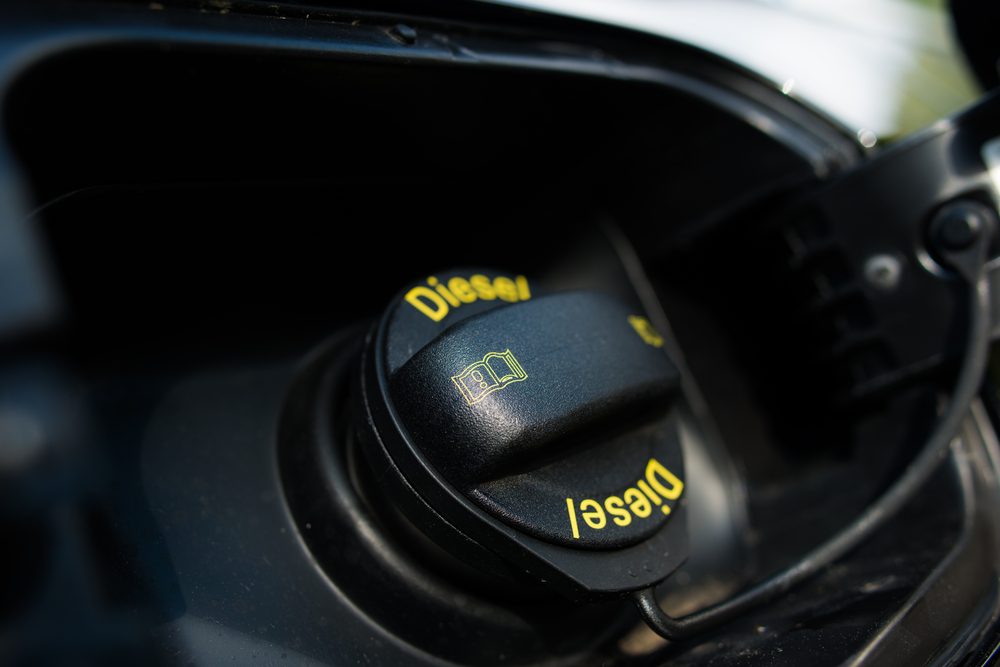
Over the past few years, diesel’s reputation has been torn to shreds, resulting in a big drop in the sales of new diesel-engined cars. Some of this drop is because of the headlines and much of it is because of uncertainty about what will happen in the near future. So should you buy a new diesel-engined car? Predictably, there are lots of things to take into account. The UK government introduced higher first-year tax rates for diesels registered after 1 April 2018, there have been scare stories of used values collapsing and you don’t have to look far to see headlines of 40,000 people dying prematurely because of diesel-powered vehicles. Get taken in by the hype and you’d never consider buying a new diesel, but the truth doesn’t match up to the headlines. For most people there are three key reasons to buy diesel: lower running costs, a better environment (really??) and because of the driving experience. (taxation is one – is that included in running costs?) Some of these things are starting to become reasons to avoid diesel (or so the headlines would have you believe), and in this regard another factor is likely to come into play: restrictions on diesel car use. Here’s the reality. Running costs The thing with running costs is that they go far beyond just the cost of the fuel, which is all that many buyers consider. But you must also take into account the higher initial purchase cost of the vehicle (compared with petrol), the slightly higher price of the fuel, the servicing costs (which may or may not be higher than a petrol-powered equivalent) and the cost of any repairs, because diesel engines are generally more complicated than petrol units, so potentially less reliable and therefore can be more expensive to maintain. There’s also road tax to consider, although most people pay a flat rate of £140 per year; cars priced over £40,000 attract a £320 extra charge whether they have a petrol engine or a diesel. There’s also the first year ‘showroom tax’ to pay, with diesels paying a penalty by moving up one road tax band. This can be as little as £15 per year or as much as £520, but for most cars that first year penalty is just £20-£40. It’s all spelled out at https://www.gov.uk/vehicle-tax-rate-tables. To put things into context, a 148bhp Ford Focus 2.0-litre diesel is rated at 114g/km, which means a first-year charge of £210. But a Focus with the 148bhp 1.5-litre petrol engine is rated at 133g/km, which means it also is subject to a first-year charge of £210. Meanwhile, a 194bhp Mercedes E220d estate comes with a 2.0-litre diesel engine and is rated at 129g/km of CO2, which means a first-year rate of £210. The alternative petrol model is the 184bhp E200d estate (which also has a 2.0-litre engine); with CO2 emissions of 161g/km it attracts a first-year charge of £530. So even with diesels paying a penalty, the cost is usually no higher than for an equivalent petrol-engined model. For many, better fuel economy is the key reason for buying diesel, and is it any wonder when a 3.0-litre diesel engine will offer as much muscle as a 5.0-litre petrol, but in an SUV the former will typically deliver 30-35mpg compared with the typically 20mpg of the latter? As petrol-electric hybrid cars become increasingly mainstream, the on-paper fuel economy might seem enticing and the first-year road tax will probably be lower because of the lower CO2 rating. But the real-world fuel costs are still likely to be higher than for an equivalent diesel, unless you do a lot of stop-start driving. Air quality We were encouraged to go diesel because of the lower CO2 emissions, but there’s far more to an engine’s emissions than merely carbon dioxide. A cocktail of poisonous chemicals including nitrogen oxides and particulates also spew out of a car’s exhaust, and it’s these that have given the diesel engine such a terrible reputation. Every few years the limits for exhaust emissions are tightened up. The current set is known as Euro 6, and all cars sold since September 2015 have had to comply. While older diesels were pretty dirty, the latest models have to be just about as clean as their petrol counterparts. And that figure of 40,000 premature deaths because of poor air quality? Firstly, that’s for air quality as a whole, and the blame for that can’t be entirely aimed at diesel-engined cars. Most importantly though, it’s a worst-case scenario estimate of the number of already ill people whose deaths may or may not have been brought forward by an unknown amount. There’s a more complete explanation here, but the bottom line is that the figure needs to be taken with a large pinch of salt. The driving experience Petrol engines don’t have as much torque, or pulling power, as diesels. As a result you have to rev a petrol engine more, and if you drive a large vehicle such as an SUV you’ll find this takes its toll on fuel economy, especially if you tow a caravan. This is why buses and lorries don’t have petrol engines; they need the muscle of a diesel because they’re so big and heavy. Also, because diesel engines have more muscle the gearing can be raised, which means that on a motorway journey the engine is turning more slowly so it’s using less fuel and the cruising is more relaxed. Diesel engines don’t rev as high as petrol units and they don’t sound as nice (not sure that is still the case – diesel engines as quiet as petrol now), but for anybody whose car is merely transport (and that’s most of us), a diesel will fit the bill quite nicely. Restrictions This is why many people are shying away from diesel; they don’t know what restrictions might be imposed on them in the future. As local authorities queue up to charge car owners more to park or to
The Dangers of Driving When Ill or Injured
With busy lives and important commitments, we often find ourselves powering through the day, even when we don’t feel 100% well. This means we are frequently performing routine tasks and procedures, when really we should be resting at home with our feet up. One such routine task is driving our car. As part of our recent survey, we discovered that more than three quarters (77%) of UK drivers have been out on the roads while experiencing adverse health conditions, potentially putting themselves, and others at serious risk. But, which illnesses are most common? And how do things differ depending on gender, profession and geographical location? HPI found out… Feeling below par Do you frequently suffer from tension headaches or migraines? According to the UK drivers that we surveyed, 41% of them have set off in their car while suffering from head pains of some sort. This is, in fact, the most common health condition to drive with, followed by a runny rose (36%) and a sore throat (34%) – both symptoms of the common cold. Stomach aches and toothaches are also niggly complaints that we have experienced when driving, with 20% of us carrying on regardless of the pain. Streaming eyes, swollen sinuses and a blocked nose – all common symptoms of seasonal hayfever – are also things we drive through, despite feeling lousy. Whether caused via a heavy session at the gym or from a previous accident, painful muscles (13%), a sore back (18%) and a sore neck (13%) have all been experienced from behind the steering wheel, while in an ideal world we would all be feeling comfortable and relaxed. Probably most worryingly of all, our survey showed that 20% of UK drivers have continued to operate their motor despite feeling tired and drowsy – something that could end in a nasty disaster affecting innocent pedestrians and other motorists. Driving under the influence of medication When it comes to relieving the symptoms of our ailments, many of us opt to take prescribed or over-the-counter medication. Although having been clearly advised to avoid taking specific medications before driving, 34% of motorists admit to ignoring these guidelines completely. Shockingly, this is not just on an emergency basis. 20% of those aforementioned drivers do this once a week or more, with another 11% not even sure if they should be allowed to drive or not. Although the side-effects of each medication can be very different and dependent on the user, the most common effects experienced by drivers are tiredness (28%), impaired thinking (19%), poor coordination (16%) and dizziness (13%) – all of which are completely hazardous when trying to concentrate on the road. Demographic divides When it comes to singling out a particular gender, it seems that men are more likely to put themselves, and others, at risk than women. 37% of men have driven while taking medication that advises them not to drive and 20% do so once a week, or more. This compares to 31% of women who have done the same, with 10% unsure whether they should be driving or not. With job pressures and unforgiving bosses, it seems there is a trend when it comes to the worst offending professions. Surprisingly, those working in the legal sector were the least compliant when it came to listen to advice to not drive whilst talking specific medication. Workers in HR/recruitment roles are next, with medical professionals and those in the creative industry also regularly admitting to driving whilst on strong medication against other advice. Although the roads in London are often chaotic, stressful and hazardous enough, it seems that the residents in our capital city are the worst culprits of driving on medication. Closely followed by those living in Bristol, Manchester and Glasgow. Those living and driving in Birmingham are also up there with the worst-offending drivers under the influence of medication. Can you imagine driving around Spaghetti Junction with a cracking headache or poor coordination? Expert advice Did you know that it is actually illegal to drive in England and Wales with drugs in your system that might impair driving? Even if these drugs are legal and have been prescribed by a doctor. Many common drugs, including anti-inflammatories, antihistamines, antibiotics, antidepressants, and epilepsy drugs, can cause side-effects that impair coordination and cause drowsiness. Therefore, drivers should always read the label and packaging for advice before operating machinery of any kind, including a motor car. Co-codamol, morphine and codeine are just some of the drugs prescribed for severe pain that have drowsy side effects. We spoke to Dr Luke James from Bupa UK to get some additional insight from a medical point of view: “Medications can affect people in different ways, so it’s important to only take them in accordance with the advice included in their accompanying leaflet. Additionally, you should talk to your doctor about any possible side effects before starting or changing your dosage, including whether they’re likely to affect your driving safety. “If impaired driving is a potential side effect, you should avoid driving for the first five days of starting or changing your dosage and speak to your doctor to establish whether you’re both happy that you’re safe to get back behind the wheel”. James O’Loan, Consultant Pharmacist at Doctor4U also commented: “Many popular antihistamines used to treat hay fever can cause drowsiness, along with some popular cough medicines and treatments for motion sickness. The main ingredients to look out for are diphenhydramine (found in Benadryl), dextromethorphan (found in Night Nurse and some own-brand cough syrups) and hyoscine hydrobromide (found in travel sickness tablets such as Kwells). “You may also want to take caution when using eye drops, as these can temporarily affect your vision. We always advise that you thoroughly read the patient information leaflet that comes with any medication, familiarise yourself with the side effects, and not to drive if you feel drowsy, dizzy, or confused”. Driving responsibly takes a great deal of concentration and feeling unwell can cause
Convertibles, coupé-cabriolets and supercars that hold their value
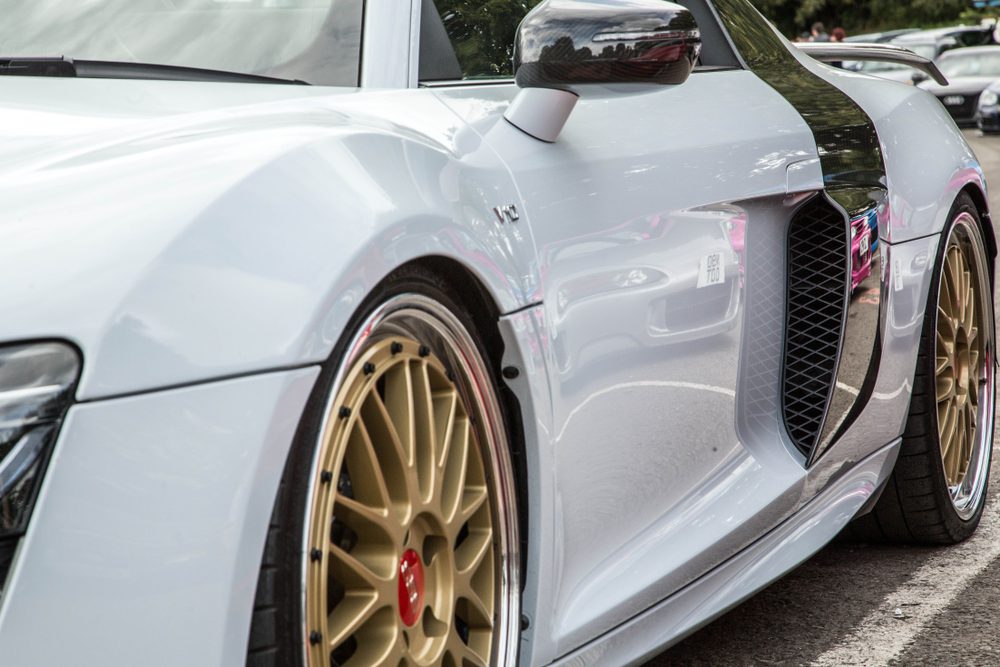
In a recent blog we introduced our latest tool which allows you to discover how well (or otherwise) just about any mainstream car retains its value. You can discover what a new car will be worth in three years as well as how much the cars of 2016 will be worth when they reach six years of age in 2022. In that last article we looked at some of the key players within the city car, supermini and small family hatchback segments. Those are the cars that sell in big numbers, but what about some of the more aspirational cars? How do the models that sell in smaller numbers fare, when it comes to losing or retaining value? Convertibles With summer about to hit, we’re going to look at what in theory is one of the most seasonal segments of all – the convertible. Despite the UK’s frequently inclement weather, we buy a lot of open-topped cars; in fact we buy more of them than any other European country. Whereas convertibles used to be noisy and leaky so you had to be an enthusiast to own one, when the roof is up on a modern drop-top it can be as refined and comfortable as a saloon. As a result, year-round use is perfectly possible, which is why values are less seasonal than they used to be. For new cars, at the top of our retained value table is the latest Porsche 911. Incredibly, 19 of the top 20 places are taken by Porsches, with the outgoing and incoming 911s dominating things – although the 718 Boxster also appears several times. The sole top 20 place that isn’t taken by a Porsche is taken by the Bentley Continental GTC in 6.0-litre W12 form. That’s a car that is expected to retain 56.9% of its value, whereas the Fiat 500C at the bottom of the table will be worth just 30.8% of its new list price after three years. However, while the Fiat will shed around £10,000 in that time, the Bentley will go down in value by £70,000 or so. It’s a similar picture where the convertibles of 2016 are concerned; by the time these reach their sixth birthday in 2022 it’s the Porsche 911 and Boxster which will have held their value the best. Again, 19 of the top 20 cars are Porsches with only the Range Rover Evoque 2.0 Si4 HSE Dynamic breaking up the party with an appearance at number 12. At the top of the pile is the limited edition Boxster Spyder which is expected to hold on to 38.7% of its value; at the bottom of the table this compares with the Vauxhall Cascada 2.0 CDTi Elite which is pegged at just 14.4%. The Cascada’s showing reflects how important an aspirational brand is to buyers; we would all prefer to own a car that’s seen as premium rather than mass-market. As a result, eight of the 10 bottom places are taken up by the Vauxhall Cascada, Citroen DS3 or the DS 3. What may be more of a surprise is that the other two slots are taken by the BMW 6 Series convertible in 640d form. Although coming from a premium brand, the 6 Series perhaps never gained the following that BMW wanted, and is no longer in production. However this BMW will be surprisingly affordable in 2022; in 640d SE form we expect it to be worth just 14.6% of its new list price when six years old. Coupé-cabriolets We separate coupé-cabriolets from convertibles with a cloth roof, and what’s interesting is how few drop-tops are now available with a folding hard top. There was a time when convertibles were all going this way, but now there’s just the two-seater Mercedes SLC and the four-seater BMW 4 Series – and the former is about to go out of production. By the end of the summer the only coupé-cabriolet on sale in the UK will be the BMW 4 Series. We expect the Mercedes to hold on to more of its value than the BMW (41.1-44.0% compared with 28.6-35.2%) and if we look at the 2016 coupé-cabriolets the situation is mirrored there, with the Mercedes (which was then called the SLK) and the 4 Series both dominating the top of the table. The only other contender is the Renault Megane, which unsurprisingly trails the two Germans thanks to its lack of a premium badge. Supercars Supercars are generally the most expensive and exclusive cars you can buy; the only models that can compete are ultra-luxury saloons from the likes of Rolls-Royce. As a result, while the Ferrari 488GTB retains more of its new list price than any of its rivals, with a forecast residual value of 64.5% it will still shed over £70,000 within three years. Throughout our supercars table Ferrari is up against Aston Martin and Lamborghini, with the Audi R8 bringing up the rear. It’s interesting that the Audi trails its more prestigious rivals by quite so much; the 5.2 V10 coupé will retain as little as 37.5% of its value whereas the lowest-performing Lamborghini is pegged at 47.7%, while the lowest-performing Aston Martin is rated at 52%. On the Audi’s part it’s certainly not because of any lack of ability as this is one of the best driver’s cars out there – it’s all down to the badge not being as aspirational as those of its rivals. Looking at the supercars of 2016, and what they’ll be worth in 2022, once again it’s Ferrari that leads the table with the top seven places. Lamborghini takes the next seven slots with various iterations of the Aventador and Huracan, with the Audi R8 taking places 15-19. Perhaps the most interesting thing about taking this longer-term view is how much more mixed up things are. Things are very polarised within those first three years, but by the time these supercars have reached their sixth birthday, some versions of the Audi R8 hold on to their