

Spookiest car names – hpi reveals scariest car models

Automotive experts, HPI has revealed the Top 13 list of eerily named vehicles following a poll amongst its team of motoring editors. Tim Bearder at HPI said: “With Halloween just around the corner we thought it would be fun to look at some of the scary names car manufacturers give to their models. Getting the name of a car right is really important for manufacturers so that it appeals to consumers and sells well. Maybe with some of the models we came up with the manufacturers were hoping to scare up a bit of business by giving their cars a menacing but memorable name. “The HPI team has compiled some outlandish and wonderfully terrifying named vehicles over the years ranging from obscure concept cars, supercars and high value models to more mainstream cars.” The Top 13 list of eerily named cars polled by HPI is: 1) Rolls-Royce Phantom 2) AMC Gremlin 3) Pontiac Banshee 4) Hillman Imp 5) Lamborghini Diablo 6) Alfa Romeo Spider 7) Plymouth Prowler 8) Ford Probe 9) Spectre R42 10) Dodge Challenger SRT Hellcat 11) Rolls-Royce Wraith 12) DF Goblin 13) Lamborghini Murcielago (Murcielago is Spanish for ‘bat’) Added Tim Bearder: “Whether born of attempts to sound genuinely scary or to simply stand out from the crowd, car manufactures have a long history of concocting car names that sound dark and scary. There also a tendency to name cars after animals and these are generally based on predatory beasts.” Ends Notes to editors: cap hpi helps users make smarter automotive decisions by providing one source for data and software solutions that uniquely span the whole vehicle lifecycle; new, used and future vehicle valuation, validation, collision, mechanical repair and total cost of ownership. cap hpi puts technology at the centre of all data activities, from collection and processing, through to delivery and the development of new applications. It operates from an international hub in the UK; that ensures its systems, coding, data collection processes, and valuation methodologies are consistent, scalable, repeatable and of the highest quality for every country. cap hpi operates as part of Solera, a global provider of risk and asset management software and services to the automotive and property marketplace. Solera is active in over 75 countries across six continents. For more information contact Nathan Lane on 07447 921654/ [email protected] or Terry Gilligan on 07770 703541 / [email protected]
Your rights when buying a used car from a trader

Trading Standards has to deal with more complaints about used cars than any other product. With more than seven million sold in the UK every year, perhaps that should come as no surprise – cars are complex things and can suffer from a wide array of problems. But what are your rights when it comes to buying a used car? Just what legal protection do you have? Unsurprisingly, where the law is concerned it’s complicated and we can’t cover all eventualities here, but we’ll cover your key rights so you know what protection you have. Underpinning your rights is the Consumer Rights Act, which was introduced on 1 October 2015. This Act superseded all or parts of the Sale of Goods Act 1979, Supply of Goods (Implied Terms) Act 1973, Supply of Goods and Services Act 1982, Sale and Supply of Goods Act 1994, Sale and Supply of Goods to Consumers Regulations 2002, Unfair Contract Terms Act 1977 and Unfair Terms in Consumer Contracts Regulations 1999. However, the Consumer Rights Act covers you only when buying a car for private use, from a trader. If you’re buying privately or at auction, or for business use, you’re not covered – although you do have other rights.
10 key checks to make when viewing a used car

You’ve got to have your wits about you when buying a used car, because it’s so easy to get your fingers burned. But it’s a lot easier than you might think to weed out the dross, by making a few straightforward checks. If you want to make sure you buy a peach rather than a lemon, follow these simple steps. The owner How many times have you heard the line ‘would you buy a second-hand car from this man’ as a jokey line? But many a true word is spoken in jest, which is why before you even look at the car, weigh up its owner. Are they shifty or evasive? Have they tried to meet ‘on neutral ground’ rather than at their home? Does their home look like scrapyard? If so, don’t assume they’re more precious with their car than their accommodation. You want to buy from someone who is fastidious – about everything. The history There are lots of things you can’t tell from looking at the owner, car or paperwork. Like if the car has been reported stolen or recorded as a write-off. Or if there’s outstanding finance on it. That’s why investing in an HPI Check is so important; in less than a minute you can discover if that potential purchase has something in its history that the vendor would prefer you not to know about. * Also read our blogs on how to tell if a car is stolen and how to guard against buying a car with finance on it. The V5C Also known as a registration document, a car’s V5C records a car’s history with the DVLA, and it’s illegal to sell a car without one; it’s easy enough to get a replacement if necessary. The V5C includes details of the car’s current and previous registered keepers, when it was first registered plus details such as the colour, engine capacity, CO2 emissions and bodystyle. Some V5Cs contain errors but assume the information is correct and compare what’s on it with what’s in front of you. Do the keeper’s details match along with those for the car? If any are different, be suspicious. * Check out our blog on common V5C scams The numbers Also on the V5C are the chassis and engine numbers. Again, check that what’s on the form matches the numbers on the car. The chassis number is normally 17 digits long and there’s usually a plate at the base of the windscreen on the passenger side. Some older cars will have the chassis number on a plate on the slam panel (what the bonnet latches onto) or stamped into the floorpan between the driver’s door and seat. The engine number is usually stamped into the engine; it should be obvious if you look for it. You can then validate these numbers using the HPI Check. The service history Nobody wants to buy a neglected car, so buy one with a service history. It doesn’t have to be maintained by a franchised dealer – just someone who knows what they’re doing. You’re looking for evidence of money having been spent regularly on things like oil changes, maybe a replacement cam belt, replacement brake parts – the things that will help prevent the car breaking down. Beware of service books that aren’t for the car you’re buying though; if in doubt, check with the garage that’s supposed to have done the maintenance, to see if the book is legitimate. *There’s more in our blog on the importance of a service history The odometer A car’s odometer tells you how many miles it’s done. Ever since the first odometers arrived it’s been possible to tamper with them to clock them, or reduce the mileage they show. This adds value to a car as it looks as though it’s done fewer miles than it really has – and the digital odometers fitted to many new cars make clocking easier than ever. To guard against clocking check a car’s service history and MoTs to see if the mileage goes up steadily – an HPI check also includes a mileage log which will help reveal the truth. * For the full story read our blog on clocking The bodywork If a car has been crashed then badly repaired, it should be obvious. Look down the body for rippling, see how tight and even the panel gaps are and look for overspray on the window rubbers along with mismatched paint colours. If a car has been crashed then expertly repaired that’s a different matter, because if the work has been done properly there’s not necessarily anything to worry about. The interior If the carpets are tatty or the trim is a bit scruffy it doesn’t affect the car’s roadworthiness – but it does give a good indication of how well the car has been looked after. Ingrained dirt, torn seat fabric or broken pieces of trim suggest the car has led a hard life. Also check that everything functions properly by activating all of the switches and make sure the seat adjustment mechanisms work. The test drive You might not feel equipped to check if a car is mechanically fit, but a test drive will be very revealing. If the engine smokes a lot, the brakes judder or the steering feels really sloppy it’ll be immediately obvious that something is wrong. Similarly, if the engine misfires, the instruments behave erratically, the engine overheats or the clutch slips you’ll soon know about it. Also listen for untoward noises such as clonks and bangs, rumbling or whining – even if you don’t know what’s causing them, by hearing them you know that something isn’t right. * For the full picture, read our blog on how to test drive a used car The professional inspection Doing the things above will help you weed out a clunker without spending any money – your own instincts are more valuable than you might think. But if you’re really worried that you might be
What happens when your car is written off
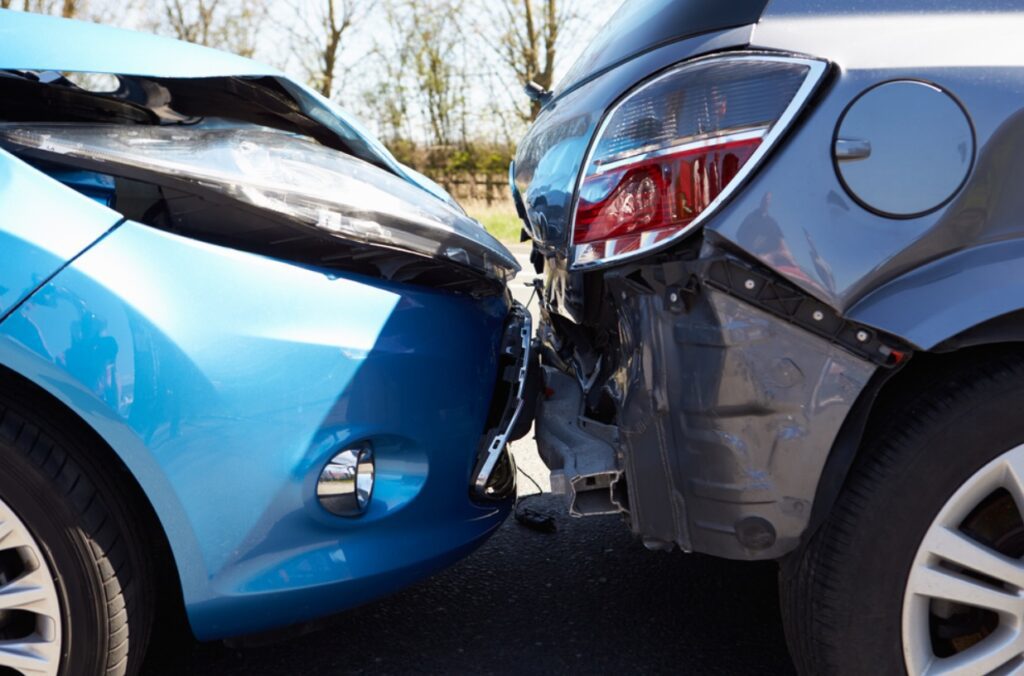
For some people, their car is like a family member. It’s been doted on and has given reliable service for years, which is why parting can be such a wrench. So what happens when that car is written off through crash damage, which may be only minor? The problem that owners have when a car is assessed after a crash, is that there’s no sentimentality where insurance companies are concerned. They see your car as a commodity with a fixed value – it doesn’t matter how reliable it’s been or how much money you’ve sunk into it over the years. When a car’s value is assessed after a crash, it’s based solely on what it would have fetched on the open market before the collision. So if your decade-old car is worth £2000 and you spend £1000 on servicing it and fitting some new tyres, it’s still worth only £2000. Every year around 450,000 cars are written off in the UK because of accident damage; what happens if yours is one of them?
Insuring a written-off car
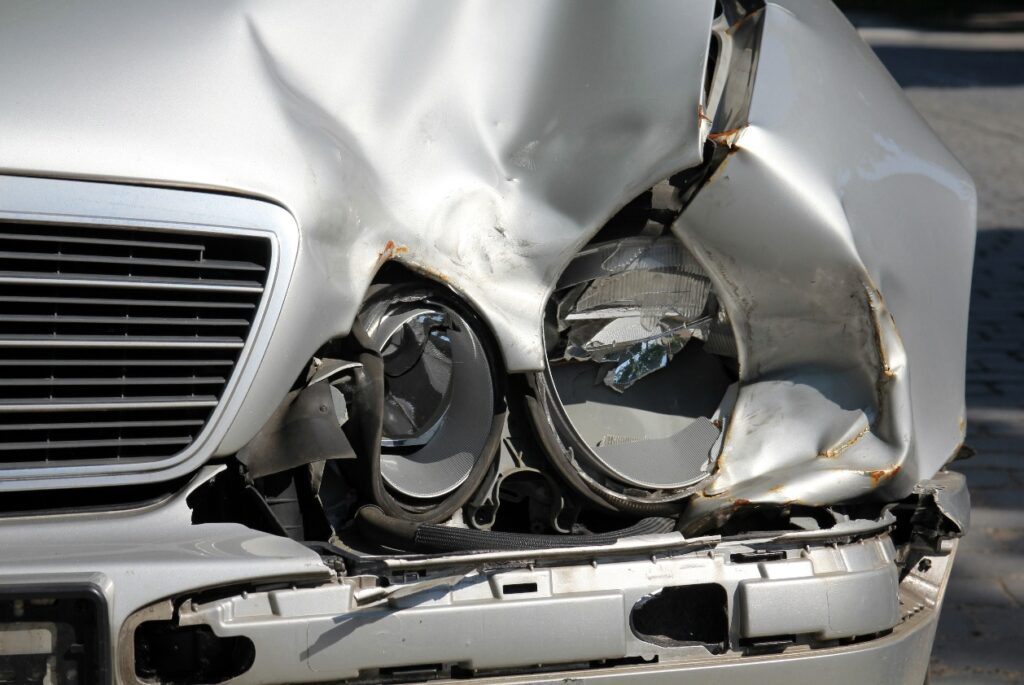
If there are two things that seem to cause more confusion among car buyers and owners than anything else, it’s how car insurance works along with how and why insurance companies write off cars. So when you combine the two, head scratching galore is guaranteed. First off, a quick refresher. To drive legally on public roads your car must be insured, and to make sure your cover isn’t cancelled in the event of a claim, you must not tell any porkies when taking out the policy. Lie during that conversation, or deliberately fail to disclose anything that might affect your policy, and your insurer could refuse to pay out in the event of a claim. When it comes to write-offs, things are quite complicated. Earlier this year we spilled the beans in a blog on the various categories of write-off, which also explained why cars are written off so readily by insurance companies. There’s a crucial thing to bear in mind when an insurance company works out how much it’ll cost to fix a car after it’s been crashed – it will insist on doing everything by the book with no corners being cut. New parts will be used, the work will be done by a professional bodyshop and when the car is finished it’ll come with a warranty. With hourly rates so high, and new car parts being expensive, it doesn’t take long for the charges to rack up. So it’s no wonder cars can be written off after a relatively low-speed shunt, especially if they’re getting on a bit, so they’re not worth very much.
How to keep your driving licence clean

This week the newspapers have been giving plenty of coverage to the fact that next year, it’s likely that the penalty for using a mobile phone while driving will be doubled. Instead of notching up three points on your licence along with a £100 fine, you’ll instead get six points and your wallet will be £200 lighter. Many people have said the move is long overdue, even though surveys suggest that up to a fifth of us regularly use our mobile phone while driving. Around the same time that the government disclosed mobile phone use penalties would be increasing, a lorry driver was jailed for six years, for causing a five-vehicle crash when he checked his text messages as he drove. In 2013, there were at least 22 fatalities on UK roads because of mobile phone use while driving. The problem is that as a new generation of drivers takes to the road, for many, being constantly connected is a must. As those teenagers and twenty-somethings start driving, they’re too comfortable with using their mobiles at the wheel, confident they can multi-task – when they can’t. Now, in a bid to nip things in the bud, the government has said that within the first half of 2017 it will act, by introducing harsher penalties for mobile phone use. The thing is, using a phone while driving is one of several ways that you can notch up points on your licence – so is it about time some of these other offences were subject to tougher penalties?
Why is my car insurance so expensive?

We all hate having to pay insurance, whether it’s on our homes, pets or cars. The thing is, while it’s optional on most things, you get no choice when it comes to your car. And what’s worse, car insurance is never cheap – but why does it have to be quite so expensive? The simple answer is that insurance companies claim they don’t make much profit out of car policies, even at current prices. Many supposedly run at a loss, the business subsidised by more lucrative insurance areas such as home cover; here’s why they reckon it’s not profitable and why your car insurance costs so much. Fraud Too many people think that defrauding their insurer is a victimless crime. After all, claiming for whiplash in the event of a rear-end imapct is so easy. But everyone with an insurance policy ends up footing the bill so it’s far from a victimless crime. Whiplash claims are a particular problem as about 1,500 are filed every day in the UK – we’re way ahead of other European countries when it comes to making such claims. They all add up to a massive £2 billion-worth of payouts each year, which is enough to add £90 to the average car insurance premium. There’s also the spectre of cash-for-crash claims, in which collisions are staged so that claims can be made for personal injury. Nobody knows the scale of the problem but it’s reckoned this type of fraud adds around £44 each year to the typical insurance premium. Inefficiency The insurance industry isn’t always run as efficiently as it might be. It’s not unusual for a car to be scraped with just some light remedial work required to fix things. Yet the car’s owner could end up with a hire vehicle for weeks while an assessor does their job and the car languishes in a compound waiting for half a day’s work to be done to. Somebody has to pay for all those weeks of car hire, and you can guess who that is…
When is the best time to sell a car?
Running a car costs money and you can only minimise that cost, not eliminate it altogether. So far so obvious, but it’s amazing how many people spend far more on their transport than is necessary; indeed, overspending is the norm. One of the easiest ways of slashing your motoring costs is to pick the right time to sell your car, whether that’s in terms of the time of year, or the point in its life when it starts to become too costly to run economically. Taking the first point – the best time of year – things aren’t as clear-cut as they used to be. Admittedly there’s less demand for convertibles in the winter, but modern drop-tops are so usable all year round, that values no longer fall through the floor once the temperatures drop. Similarly, while 4x4s used to become hot property as summer turned to autumn, there’s now perennial demand for these most fashionable of cars. Meanwhile, good examples of any family hatchback or estate will readily find a buyer, regardless of the time of year. But while the season or the weather may not affect your car’s value as much as it once did, its mileage, condition, badge or image will probably have a much bigger effect, as you can read in our blog on how depreciation works . There is one spike that it’s best to avoid though, and that’s the new-registration points of 1 March and 1 September. At these times, huge numbers of new cars are delivered which means forecourts are awash with used models, making it that much harder for yours to stand out.
HPI helps put students in driving seat as they head off to university

As record numbers of students are offered university places for 2016, vehicle history check expert, HPI, is urging students who might be getting their first car to be thorough when doing their homework. Philip Nothard, consumer and retail specialist at HPI said: “For students who are embarking on an exciting new life in a new city, owning a new or used car can be a real lifeline so it’s important to pick something that’s right, if a car is part of the plan. Many students will be owning their car for the first time so it’s key to remember that September is a great month to bag a bargain in the car calendar with some great finance deals available on new cars and large numbers of nearly new vehicles available in the market.” Record low interests, coupled with manufacturer discounts on certain models, mean a new car has never looked more attractive. Financial considerations are important as there are running costs to think about as well as the living costs associated with being away from home for the first time with small city cars an ideal first choice as they are economical, not too flash and great for getting around in.
How to buy the perfect sportscar
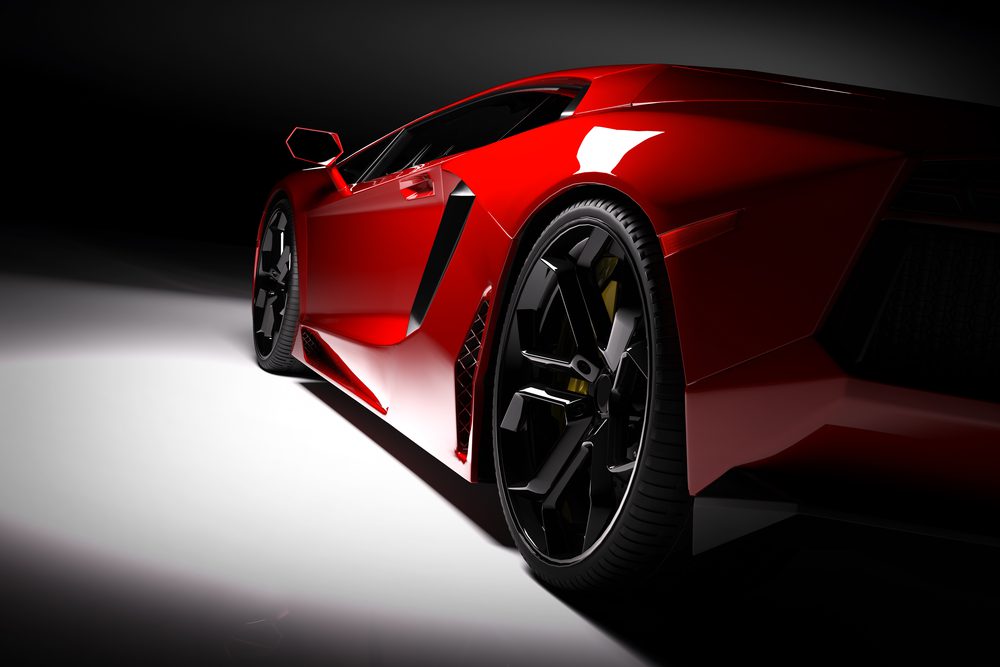
If we all bought our cars on a rational basis we’d end up driving a mid-sized family hatchback with a small engine. But for most of us the car we buy is dictated by our heart as much as our head – for many it’s more of an emotional purchase than it is a sensible one. That’s why sportscars are so enormously popular; we want something that’ll impress our friends and neighbours, make us feel better about ourselves and deliver a healthy dose of performance for those few brief stretches of empty road on the daily commute. If you buy a decent sportscar you’ll also get behind the wheel of something that’s great to drive even at low speeds, thanks to the fluency of its gearchange, the precision of its steering, the seating position, the engine noise, the view through the windscreen – and a whole host of other factors that just come together to create a brilliant driving experience. Enjoy even the briefest drive in a Mazda MX-5 or Porsche Boxster and you’ll instantly get why your mundane family hatch will never be truly inspiring to drive – it’s just not designed or built in the same way. But will a sportscar fit into your life?