

What happens when your car is written off

For some people, their car is like a family member. It’s been doted on and has given reliable service for years, which is why parting can be such a wrench. So what happens when that car is written off through crash damage, which may be only minor? The problem that owners have when a car is assessed after a crash, is that there’s no sentimentality where insurance companies are concerned. They see your car as a commodity with a fixed value – it doesn’t matter how reliable it’s been or how much money you’ve sunk into it over the years. When a car’s value is assessed after a crash, it’s based solely on what it would have fetched on the open market before the collision. So if your decade-old car is worth £2000 and you spend £1000 on servicing it and fitting some new tyres, it’s still worth only £2000. Every year around 450,000 cars are written off in the UK because of accident damage; what happens if yours is one of them?
The 10 most common reasons for car crashes
Everyone likes to think they’re a good driver and that they’re not going to be involved in a crash. But according to the Association of British Insurers (ABI), every year around three million people claim on their car insurance, sometimes for theft or vandalism, but usually because of some kind of collision. It doesn’t help that we’re all busier than ever and so are our roads; as we rush from one place to another it’s inevitable that crashes will happen. UK roads are among the safest in the world but there are around 30 million vehicles registered in the UK, and each year more than one in 10 of those will be the subject of a claim. Do the sums and you’ll see that with more than three million claims annually, that works out at more than 8,000 each day or nearly 60,000 per week. So how can you make sure that you don’t end up on the receiving end of a pile of forms to fill in? A decent clue is given here; the 10 most common reasons why car crashes happen in the UK, according to the Department for Transport (DfT). Be careful out there…
It may be racy, but it’s also risky! Green cars the mostly likely to be stolen, clocked or written off
HPI data reveals green cars the mostly likely to be stolen, clocked or written off www.hpicheck.com According to new research by the vehicle history check expert, HPI, the colour car that most commonly hits its ‘at risk’ registers is green. Used car buyers who conduct an HPI Check® on green cars are more frequently told they are either registered as stolen with the police, have a mileage discrepancy that needs investigating, or are recorded as an insurance write-off. The good news is that green cars are the least likely to hit the outstanding finance register – and 1 in 4 cars checked with HPI has outstanding finance against
IT’S A FLOODY WRITE-OFF
hpi warns used car buyers to beware of water damaged vehicles hiding behind a temptingly low price tag www.hpicheck.com A staggering 237 thousand written off cars are uncovered every year by hpi, provider of the hpi check®, as being offered for sale by sellers who won’t always declare to buyers that they are insurance write-offs. However, warns hpi, with the used car market anticipated to be swamped with flood damaged cars in the coming months, the risk of purchasing a write-off could significantly be on the rise and buyers are being urged to take the necessary precautions. Whilst it’s not illegal to professionally repair and sell Category C and D insurance write-off cars, those that have been declared a Category A and B write-off are only good for the scrap heap or should be broken down for spare parts; they should never be returned to the roads. Unfortunately, there are fraudsters willing to patch up and disguise written off vehicles and sell them on to unsuspecting buyers for a quick profit.
DON’T WRITE OFF A WRITE-OFF

HPI offers used car buyers a guide on how to purchase an insurance write-off that is not only safe to be on the road, but could save them 50% off the ticket price. HPI, provider of the HPI Check®, uncovers 649 vehicles per day for sale, which have been declared insurance write-offs, but says “not all insurance write-offs are created equal”. Whilst some write-offs are not fit to be allowed back on the road, HPI reminds used car buyers that others can be professionally repaired and legitimately returned to the UK’s roads; they could even be a bargain in disguise.
Turning Back Time on Clocking
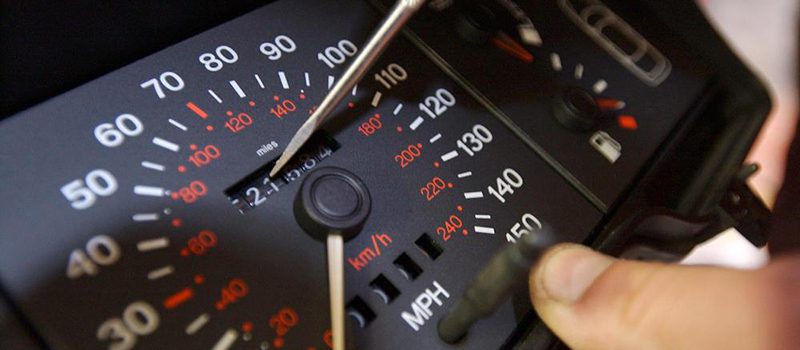
The end of October marks the end of British Summer Time and, as we turn the clocks back, we want to remind you used car buyers to watch out for unscrupulous sellers turning the clocks back on their mileage readings. Known as ‘clocking’, this not only adds significant value to a vehicle, but it could lead to higher maintenance costs, as the vehicle might have more wear and tear than the buyer realises.
KEY STATS INFOGRAPHIC
Take a look at the info graphic we’ve pulled together for you… and next time you wonder whether or not to take that HPI Check, remember some of these key stats…