

HPI Warns Drivers of the Dangers of ‘Frost Jacking’ as January Cold Snap Hits the UK

As January ushers in a cold snap across the UK, motorists are being reminded to stay vigilant when defrosting their vehicles. The common practice of leaving a car’s engine running and keys in the ignition while clearing icy windows – known as ‘frost jacking’ – may seem convenient, but it poses a significant risk of theft and could invalidate your insurance. HPI, the leading vehicle history check and valuation specialists, are urging drivers not to fall for the temptation of leaving their car running unattended, especially with temperatures plunging and icy conditions gripping the country. Opportunistic thieves are always on the lookout for easy targets, and a running engine with keys left inside offers the perfect opportunity. The Risks of Frost Jacking: Theft and Insurance Invalidations Leaving your car unattended with the engine running is not just a theft risk – it could also invalidate your insurance. Most car insurance policies include a ‘keys in car’ exclusion clause, which means that if your vehicle is stolen under these circumstances, your insurance may not cover the loss. Beyond the risk of theft, leaving your car running unattended also has legal consequences. The Road Vehicles (Construction and Use) Regulations 1986, along with Rule 123 of the Highway Code, make it illegal to leave a vehicle unattended with the engine running. Drivers caught in this situation could face fines between £20 and £80. Additionally, failing to clear ice from your windscreen properly before driving could result in a fine and three penalty points on your license. Why Frost Jacking is So Tempting – But So Dangerous During cold snaps like the one currently sweeping the UK, it’s tempting to start the engine and leave it running while you head back inside to warm up. However, the risk of theft is high, particularly in the early hours of the morning when visibility is low, and drivers are often in a rush to get going. Thieves are on the lookout for unattended cars, and all it takes is a few minutes for them to spot a running engine, jump in, and drive off. HPI identifies 109 stolen cars every day, and winter months, especially January, see an uptick in opportunistic car crimes. As the icy conditions continue, it’s essential to take extra precautions to avoid becoming a victim. Practical Tips to Avoid Frost Jacking in January To help you safely defrost your vehicle while avoiding theft and legal issues, HPI recommends the following simple steps: Stay Safe and Stay Legal This January Stacey Ward, Senior Data Director at HPI, commented: “As the UK continues to experience freezing temperatures this January, it’s more important than ever for drivers to take steps to protect their vehicles. Leaving a car running unattended is a major theft risk and could have serious legal and financial consequences. Not only could you lose your car, but you could also invalidate your insurance and face fines. Always stay with your vehicle while defrosting, and be aware of the legal implications of leaving your car running in public areas.” Avoid unnecessary risks and keep your vehicle safe during this chilly January. For more advice and tips on keeping your car secure, visit HPI’s news page. In Summary: Stay warm, stay safe, and keep your vehicle secure this winter!
How to Prepare Your Car for Winter
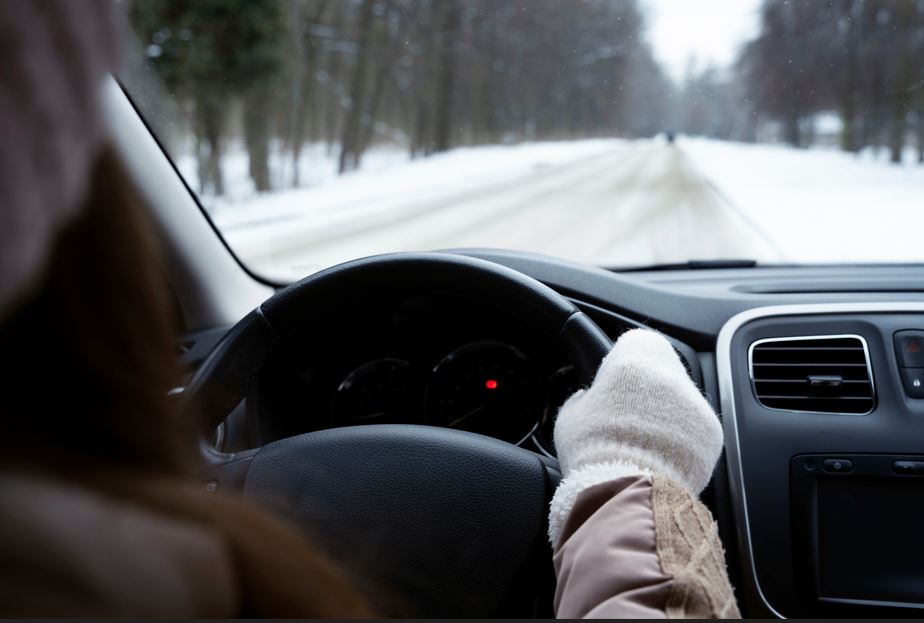
A winter car check can be the difference between plain sailing and a chilly turn for the worse. Here’s how to do it. Preparing your car for winter is essential, especially before a long journey. Icy roads, poor visibility, and extreme temperatures are just a few of the colder months’ trademarks, so ensuring your vehicle is winter-ready can help prevent accidents and breakdowns. HPI’s winter car checklist explains how to prepare your vehicle for the toughest seasons. Tyres Adequate tread depth is crucial for gripping icy or wet roads. The legal minimum is 1.6mm, but having at least 3mm in winter is safer. Consider switching to winter tyres, as they’re specifically designed for cold conditions. Cold weather causes tyre pressure to drop, and underinflated tyres reduce fuel efficiency and can lead to poor handling. Ensure each tyre is inflated according to the manufacturer’s specifications and check that the spare tyre is in good condition and properly inflated. Battery Check the battery’s level of charge, especially if it’s more than three years old. Batteries can lose capacity over time, and cold weather is particularly tough on them, while a weak battery can struggle to start the engine in low temperatures. Corrosion can form on the terminals, too, especially in winter. Scrub off the rust for a secure and efficient connection. Coolant and Antifreeze Check and, if necessary, top up the engine coolant to the recommended level. Also, an antifreeze tester should be used to measure the strength of the solution, which should be at a 50:50 ratio of antifreeze to water. Low coolant can lead to overheating or engine damage, so check the radiator, the hoses and the reservoir for signs of leaks. Windscreen and Wipers Check that the wiper blades are in good condition and replace them if they leave streaks or show signs of wear. Winter wiper blades are worth a look because they perform better in icy conditions. Top up your windshield washer fluid with a winter-grade solution to prevent freezing – and don’t just use water because it can freeze in the reservoir or the nozzles. Make sure the defroster and the heater are working, too. Lights and Brakes Functional lights are essential for dark or foggy roads, so it’s more than worthwhile to perform an all-around car check to ensure the headlights, brake lights, fog lights, and indicators are working properly— and wipe off any dirt while you’re at it. Test the brakes. If they feel weak, make a funny noise, or cause the car to pull to one side, get them checked by a professional. Emergency Supplies An emergency kit can make a big difference if there’s an unexpected breakdown or weather delay. Stash essentials such as a torch, a reflective warning triangle, a blanket, a first-aid kit, a tow rope, a warm high-visibility jacket, high-energy snacks, water, a flask of tea or coffee, and basic tools in the boot. Keep a small snow shovel, an ice scraper, a tyre inflator and de-icer handy, along with jump leads or a portable battery booster – dead batteries are common in winter. A portable battery charger for your phone is also a good idea, as is a pair of sunglasses. It might get dark early, but the sun can be low and bright on clear winter days and reflect off snowy or slippery surfaces. Fuel and Oil Keep your fuel tank at least half-full to avoid a frozen fuel line. Low temperatures can blunt the range of electric vehicles, so if you have an EV, ensure it’s well-charged before you set off. Ensure your oil is topped up and, if you live in a particularly cold region, consider switching to a winter-grade oil, which has a lower viscosity and helps the engine to run smoothly when it’s cold. Take the Test A valid MOT is a year-round legal requirement for cars over three years old, but it’s at its most valuable when conditions take a turn for the worse. A professional vehicle check with an emphasis on safety is arguably the single best way to prepare a car for winter, and if any advisories are flagged up on the MOT certificate, you’ll know exactly what to address. If your car’s MOT is due relatively soon, it may even be worth bringing it forward, ahead of the worst of the winter, for extra peace of mind. If you would like to complete a hpi MOT history check, click here