

Driverless Cars Research UK: Shifting Public Attitudes Towards Autonomous Vehicles

Recent Driverless Cars Research UK reveals that public attitudes toward autonomous vehicles in the UK are changing. Commissioned by HPI, a leader in vehicle history checks and valuations, this study surveyed over 2,000 UK adults. The results showed that 22% of road users would trust a driverless car and feel comfortable traveling in one. As autonomous vehicle technology develops, more people are becoming open to the idea of self-driving cars on UK roads. Key Findings from Driverless Cars Research UK The Driverless Cars Research UK highlights clear differences in how people of various genders and age groups feel about autonomous vehicles. Men are more trusting of self-driving technology, with 28% expressing confidence in driverless cars compared to only 16% of women. Age also plays a key role, with younger generations showing more trust in the technology. A third (33%) of 18-26-year-olds feel at ease with driverless cars, whereas just 17% of those aged 55-64 share the same sentiment. The least trusting group are those over 65, with just 12% confident in the technology. Regional Trust in Driverless Cars in the UK The Driverless Cars Research UK also reveals regional variations in trust towards autonomous technology. Londoners (21%) are the most trusting, followed by residents of the East of England (19%) and the West Midlands (18%). In contrast, Wales has the lowest level of confidence, with only 9% of people trusting driverless cars. Meanwhile, 18% of Scots would feel comfortable using a self-driving vehicle. Public Opinion: Road Safety and Driverless Cars When asked about road safety, just 15% of people believe that driverless cars will make UK roads safer. Meanwhile, 22% feel that road safety will remain unchanged with the advent of autonomous vehicles. However, excitement about driverless cars is apparent, with 24% of respondents expressing eagerness about the technology, rather than fear. Interestingly, 30% of men are excited by the prospect of self-driving cars, compared to only 18% of women. Interest in Self-Driving Cars: Will the Public Embrace Autonomous Vehicles? The Driverless Cars Research UK also found that 25% of men would consider purchasing a self-driving car that could allow them to carry out other tasks while driving, such as reading or attending a meeting. This number is more than double the 12% of women who feel the same. Semi-Autonomous Features Already in Use Over 40% of UK adults already drive vehicles equipped with semi-autonomous features, including lane assist, adaptive cruise control, and automatic emergency braking. Men are slightly more likely to have these features in their cars (43%) than women (40%). Additionally, 21% of men regularly use these semi-autonomous features, compared to just 6% of women. Concerns About Autonomous Technology Despite increasing trust in self-driving cars, concerns remain. The biggest worry for 57% of respondents is losing control in a driverless car. Other concerns include the state of the roads (38%), technology reliability (35%), and the potential for accidents (41%). Additionally, 49% of people worry about the behavior of other road users, and 37% are concerned about how driverless cars will interact with one another on the roads. However, 43% of respondents have no concerns about losing control, and 35% expressed trust issues with the technology itself. What’s Next for Driverless Cars in the UK? The Driverless Cars Research UK reveals that public opinion is gradually shifting, with increasing comfort around autonomous vehicles. While only 8% of people believe that manufacturers have done enough research to convince them that driverless cars are safe, the future of autonomous vehicles looks promising. In May 2024, the UK government passed the Automated Vehicles Act (AV Act), which outlines the legal framework for self-driving cars to operate on UK roads. This act includes key safety standards, data security protocols, and insurance requirements, with the potential for fully autonomous vehicles on UK roads by 2026. Matt Freeman, Managing Consultant at HPI, Comments: “Although we’re not there yet, the Driverless Cars Research UK shows that public acceptance of autonomous vehicles is on the rise. The legal framework is already in place, and we could see fully self-driving cars on UK roads in the next two years. The UK government is supporting autonomous vehicle development through trials and pilot projects aimed at reducing human error, which causes 88% of road accidents. Driverless cars could make roads safer, ease traffic congestion, and reduce our reliance on human drivers for both passenger and freight transport.” Conclusion: The Future of Autonomous Vehicles in the UK For years, drivers have been using features like lane assist and emergency braking, and with advances in artificial intelligence (AI), full autonomy is now closer than ever. The Driverless Cars Research UK shows that public attitudes are evolving, and the integration of self-driving technology into everyday life is becoming more likely. To stay informed about the latest in vehicle history checks, valuations, and autonomous technology, visit HPI.co.uk.
How to Prepare Your Car for Winter

A winter car check can be the difference between plain sailing and a chilly turn for the worse. Here’s how to do it. Preparing your car for winter is essential, especially before a long journey. Icy roads, poor visibility, and extreme temperatures are just a few of the colder months’ trademarks, so ensuring your vehicle is winter-ready can help prevent accidents and breakdowns. HPI’s winter car checklist explains how to prepare your vehicle for the toughest seasons. Tyres Adequate tread depth is crucial for gripping icy or wet roads. The legal minimum is 1.6mm, but having at least 3mm in winter is safer. Consider switching to winter tyres, as they’re specifically designed for cold conditions. Cold weather causes tyre pressure to drop, and underinflated tyres reduce fuel efficiency and can lead to poor handling. Ensure each tyre is inflated according to the manufacturer’s specifications and check that the spare tyre is in good condition and properly inflated. Battery Check the battery’s level of charge, especially if it’s more than three years old. Batteries can lose capacity over time, and cold weather is particularly tough on them, while a weak battery can struggle to start the engine in low temperatures. Corrosion can form on the terminals, too, especially in winter. Scrub off the rust for a secure and efficient connection. Coolant and Antifreeze Check and, if necessary, top up the engine coolant to the recommended level. Also, an antifreeze tester should be used to measure the strength of the solution, which should be at a 50:50 ratio of antifreeze to water. Low coolant can lead to overheating or engine damage, so check the radiator, the hoses and the reservoir for signs of leaks. Windscreen and Wipers Check that the wiper blades are in good condition and replace them if they leave streaks or show signs of wear. Winter wiper blades are worth a look because they perform better in icy conditions. Top up your windshield washer fluid with a winter-grade solution to prevent freezing – and don’t just use water because it can freeze in the reservoir or the nozzles. Make sure the defroster and the heater are working, too. Lights and Brakes Functional lights are essential for dark or foggy roads, so it’s more than worthwhile to perform an all-around car check to ensure the headlights, brake lights, fog lights, and indicators are working properly— and wipe off any dirt while you’re at it. Test the brakes. If they feel weak, make a funny noise, or cause the car to pull to one side, get them checked by a professional. Emergency Supplies An emergency kit can make a big difference if there’s an unexpected breakdown or weather delay. Stash essentials such as a torch, a reflective warning triangle, a blanket, a first-aid kit, a tow rope, a warm high-visibility jacket, high-energy snacks, water, a flask of tea or coffee, and basic tools in the boot. Keep a small snow shovel, an ice scraper, a tyre inflator and de-icer handy, along with jump leads or a portable battery booster – dead batteries are common in winter. A portable battery charger for your phone is also a good idea, as is a pair of sunglasses. It might get dark early, but the sun can be low and bright on clear winter days and reflect off snowy or slippery surfaces. Fuel and Oil Keep your fuel tank at least half-full to avoid a frozen fuel line. Low temperatures can blunt the range of electric vehicles, so if you have an EV, ensure it’s well-charged before you set off. Ensure your oil is topped up and, if you live in a particularly cold region, consider switching to a winter-grade oil, which has a lower viscosity and helps the engine to run smoothly when it’s cold. Take the Test A valid MOT is a year-round legal requirement for cars over three years old, but it’s at its most valuable when conditions take a turn for the worse. A professional vehicle check with an emphasis on safety is arguably the single best way to prepare a car for winter, and if any advisories are flagged up on the MOT certificate, you’ll know exactly what to address. If your car’s MOT is due relatively soon, it may even be worth bringing it forward, ahead of the worst of the winter, for extra peace of mind. If you would like to complete a hpi MOT history check, click here
If You Buy A Lamborghini, Make Sure You Can Afford The Insurance!

HPI CrushWatch Makes the UK’s Roads a Safer Place For Law Abiding Motorists HPI CrushWatch saved over £56 million worth of vehicles that were being driven without insurance, from being crushed at the instruction of the police in 2014. Shockingly, supercars and prestige vehicles are often being driven by insurance evaders. However, popular, high volume makes of car, such as Vauxhall and Ford top the culprit’s chart.
HPI Crushwatch & The MET Police
The Metropolitan Police have signed up to our HPI CrushWatch initiative to support their campaign to clamp down on illegal motoring. As a result, HPI CrushWatch is stopping the Capital’s untaxed and uninsured vehicles from being crushed and returning them to the finance companies that own them. In the first 3 months of it joining the Scheme, the Met Police helped us to alert lenders to over £10.5 million worth of ‘at risk’ vehicles.
Get the Price Right
To celebrate the launch of HPI Spec Check, we’re offering it free* to dealers for a limited period. Take advantage today! Valuing new stock can be challenging, especially if a vehicle has a number of factory fitted options on it that could influence the price. But the launch of HPI Spec Check, a unique valuation support service from vehicle information expert HPI, simplifies the process of valuing vehicles by drawing upon manufacturer build specification to identify the optional extras fitted on an individual vehicle.
Clocker Conviction Applauded
News this week announces the first ever conviction of an owner of a mileage correction firm following a recent OFT investigation. This dramatic development follows the recent steps by the vehicle information expert HPI, to lobby parliament to shut down such firms, by launching an e-petition and calling upon the nation to back the fight against mileage correction firms.
Turning Back Time on Clocking
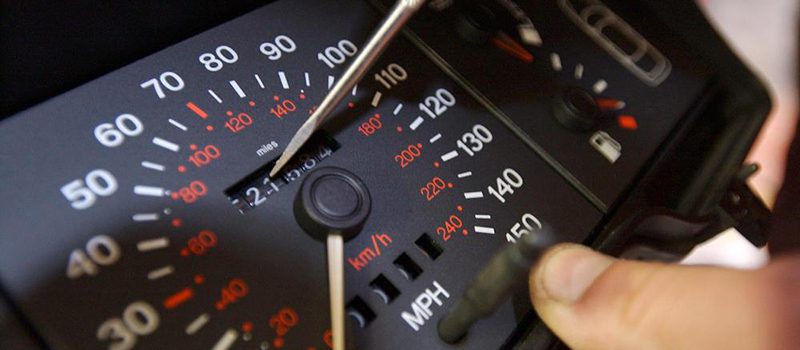
The end of October marks the end of British Summer Time and, as we turn the clocks back, we want to remind you used car buyers to watch out for unscrupulous sellers turning the clocks back on their mileage readings. Known as ‘clocking’, this not only adds significant value to a vehicle, but it could lead to higher maintenance costs, as the vehicle might have more wear and tear than the buyer realises.
Returning Untaxed Cars
HPI is extending HPI CrushWatch to alert motor finance lenders to vehicles impounded by the Driver and Vehicle Licensing Agency (DVLA) because the vehicle has no road tax. A car that is subject to a finance agreement which is driven without Vehicle Excise Duty (VED) is breaching the terms of the finance contract. Until now, confiscated cars would have been auctioned or sent to the scrap heap if they weren’t claimed by the registered keeper.
INFOGRAPHIC – HPI CRUSHWATCH
We posted recently about the volume and value of uninsured cars that HPI CrushWatch returns to finance companies. We thought it useful to illustrate that in an info graphic too…
INTERESTED IN BLOGGING FOR US?

We’re always on the look out for guest bloggers – or for opportunities to guest blog ourselves, so if you’re an industry expert or if you feel you have something to offer our blogging team, then you should definitely get in touch. Similarly, if you have a motoring blog that you’d like us to contribute to then we should talk about that too. Contact us here if you’re interested.