

The Most Stolen Electric Vehicles (EVs) in the UK: New Study Reveals Key Insights
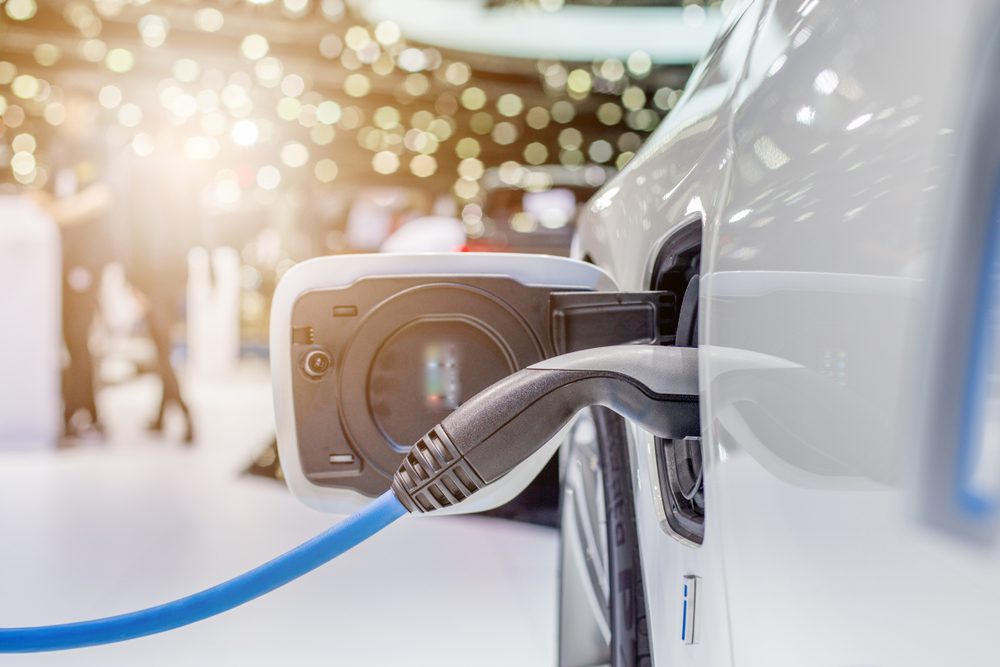
Which Electric Vehicles Are Most At Risk of Theft? A recent study from automotive data company HPI has revealed which electric vehicles (EVs) are most commonly stolen in the UK. While EV thefts remain relatively rare, some models are more likely to be targeted by thieves. EV Theft in the UK: Key Findings The study, which analyzed over 864,000 EVs, found that just 0.1% of the nation’s electric vehicles were stolen last year, compared to 0.2% of all vehicles. Despite this low overall rate, certain EV models are at greater risk. The Kia E-Niro Electric Estate ranks as the most stolen EV, followed by the Hyundai Ioniq 5 Electric Hatchback and the Kia EV6 Electric Estate. Other models in the top 10 include the Volkswagen Golf Electric and Jaguar I-Pace. The findings were based on the number of thefts per 100,000 vehicles, helping to identify the most at-risk models. Regional Trends in EV Theft The study also revealed regional hotspots for EV thefts. Outside Greater London, the West Midlands saw the highest number of EV thefts (104), followed by the East of England (59), North West (56), and South East (43). Why Are These EVs Targeted? Jon Clay, Identification Director at HPI, explained that while the overall volume of EV thefts is low, drivers should not become complacent. Thieves are continually adapting to new security technologies, so it’s important to take precautions as the EV market grows. Tips for EV Owners To reduce the risk of theft, consider these security tips: Why an HPI Check Matters If you’re buying a used EV, an HPI Check is crucial. It provides vital information about the vehicle’s history, including whether it has been stolen or has any discrepancies such as mileage tampering. With one in three used cars having hidden histories, an HPI Check ensures you’re making an informed purchase and helps protect you from buying a stolen vehicle. Conclusion While EV theft is a relatively rare occurrence in the UK, some models are more frequently targeted. By staying informed, securing your vehicle, and using tools like an HPI Check when buying used, you can protect yourself and your vehicle from the risk of theft.
The HPI Check Electric Vehicle Study
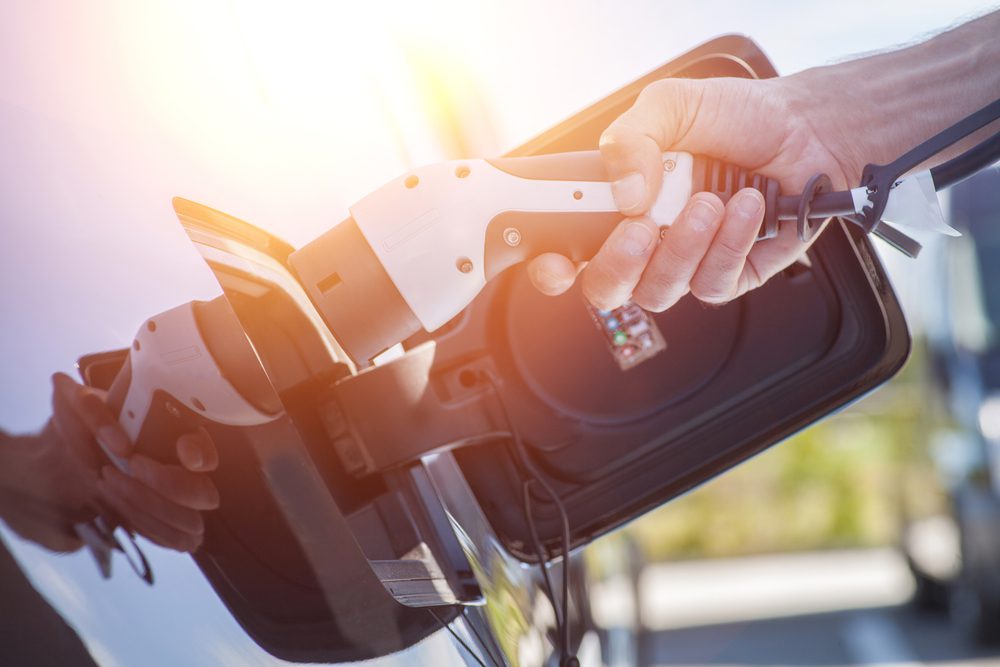
Electric vehicles (EVs) are getting more and more popular around the world. And it’s easy to see why. They provide a greener and more efficient alternative to some of the vehicles currently dominating our roads. But not everyone is convinced by them, with many drivers giving electric cars a wide swerve when it comes to choosing their next vehicle. With all of this in mind, we decided to dig deeper into the thoughts and opinions of drivers in Britain and beyond. Our focus was on the reasons why people would or wouldn’t make the move to electric. We also looked at how some commonly held negative opinions are in fact misconceptions, and how these are keeping electric vehicles from becoming the car of choice. Overall Survey Results Combining the British and international results, we found that 83% of respondents said they would consider purchasing an electric vehicle. This is a sizeable majority, but still leaves almost one fifth of drivers (17%) who wouldn’t want to go electric. In terms of gender, men are more open to purchasing electric vehicles, with 87% welcoming the idea. This can be compared with a lower proportion of women, at 78%, who would consider an electric car. When it comes to age groups, our survey found that millennials are the most open to EVs, with 91% of the 25-34 demographic saying that they would consider them. The 55-64 group, on the other hand, responded positively only 32% of the time. Results by City The UK city where people are most likely to adopt electric cars is Edinburgh, with a 94% positive response rate. This is closely followed by Sheffield, Manchester, Bristol and London. Interestingly, these are all prominent university cities, perhaps suggesting a link between high levels of education and a willingness to adopt new ideas. With only 23% of respondents saying that they would turn to an EV, Nottingham was the UK city least likely to adopt this form of transportation. Residents of Norwich, Liverpool, Cardiff and Newcastle were also unlikely to choose electric vehicles. Results Internationally Around the world, we found that respondents in Mexico were the most open, at 93%, to the idea of electric cars. Brazil was also highly positive, with 90% of respondents there saying that they would embrace EVs. At the other end of the scale, only 25% of Hong Kong’s respondents were positive about adopting these types of vehicles. Russia, Singapore and France also received very low scores. These are the full international results, showing the percentage of those who would choose to drive an electric car: Mexico – 93% Brazil – 90% India – 87% Spain – 82% Germany – 76% Italy – 75% Turkey – 71% Canada – 67% Indonesia – 60% Australia – 58% South Korea – 57% The Netherlands – 55% France – 50% The USA – 47% Singapore – 44% Japan – 40% Russia – 40% Hong Kong – 25% Interestingly, it is the older generation in countries other than the UK who are more willing to buy electric cars than the younger generation. This can be seen in results such as the 100% positive response rate from those in Australia’s 45-54 age range and the 73% rate from those in Canada’s 45-54 range. Why People Aren’t Going Electric in the UK In our survey we tackled the question of why people wouldn’t buy an electric vehicle. In the UK, the results showed that respondents are most worried about a perceived lack of charging points. However, this is a common misconception, as most electric cars can be charged from any mains outlet. Price is also a major concern, which is understandable when considering the cost of a new EV. But it should be noted that the cost of running an electric vehicle is generally very low compared to other forms of motorised transport. So, this is perhaps another misconception. When it comes to running out of charge and taking too long to recharge, we have found further misconceptions. Some electric cars can take as little as half an hour to recharge completely and have highly accurate gauges that tell drivers when they are low on charge. While electric cars in some instances may have lower ranges than combustion vehicles, they are so easy to charge that longer journeys can be undertaken with confidence. So, the final top reason that UK drivers would go electric – low range – is perhaps yet another misconception to add to the list. Battery Misconceptions When it came to the subject of servicing, 61% of all respondents believed that the batteries of an electric vehicle needed to be changed within the first two years. Many respondents (34%) even believed that it was necessary to change the battery within the first year. Both these beliefs are flat-out misconceptions. However, it is of interest to note that so many people hold them – even those who would choose to buy an electric car. Chris Plumb, Black Book Editor of HPI Check, commented, ‘It’s surprising how many people think batteries needs replacing so early in their life when there is no real evidence of this. In fact, batteries seem to be outperforming the industry’s expectations.’ Reasons from International Respondents Globally, the reasons why people wouldn’t adopt electric cars closely followed the responses from the UK, except there was also a concern about safety. This should be seen as a misconception, because electric cars have to pass the same safety standards as any other types of vehicles. Some international respondents cited performance issues as being a reason not to adopt an electric car. While combustion vehicles may have the edge in terms of outright performance, when it comes to driving within the speed limit, there is very little difference between the two types of vehicles. So, this could be yet another misconception. Comments from Respondents Many of the remarks made by respondents expressed the fallacies mentioned above. ‘Not many places to charge up,’ and, ‘charging problems,’ were just two comments which