

How to Prepare Your Car for Winter
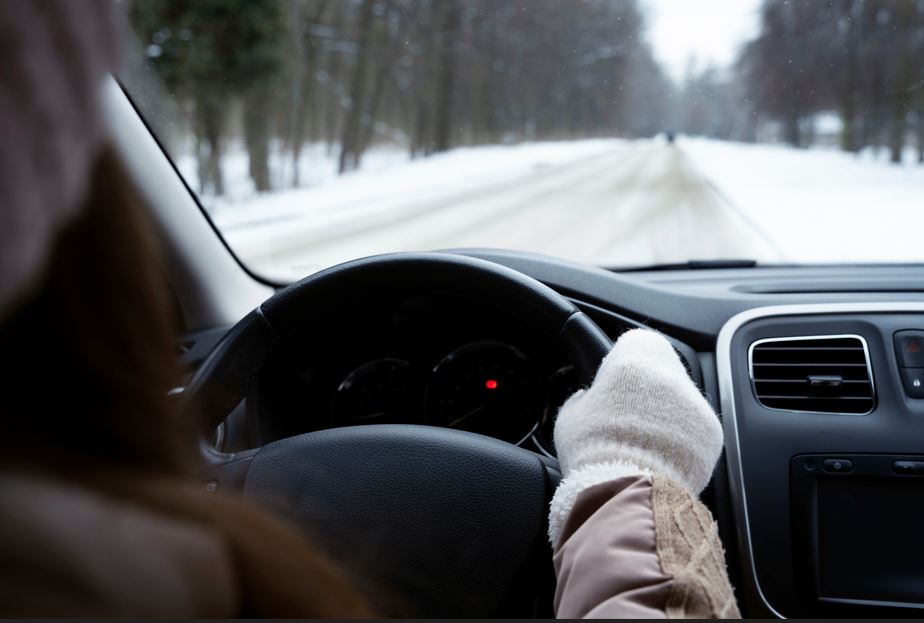
A winter car check can be the difference between plain sailing and a chilly turn for the worse. Here’s how to do it. Preparing your car for winter is essential, especially before a long journey. Icy roads, poor visibility, and extreme temperatures are just a few of the colder months’ trademarks, so ensuring your vehicle is winter-ready can help prevent accidents and breakdowns. HPI’s winter car checklist explains how to prepare your vehicle for the toughest seasons. Tyres Adequate tread depth is crucial for gripping icy or wet roads. The legal minimum is 1.6mm, but having at least 3mm in winter is safer. Consider switching to winter tyres, as they’re specifically designed for cold conditions. Cold weather causes tyre pressure to drop, and underinflated tyres reduce fuel efficiency and can lead to poor handling. Ensure each tyre is inflated according to the manufacturer’s specifications and check that the spare tyre is in good condition and properly inflated. Battery Check the battery’s level of charge, especially if it’s more than three years old. Batteries can lose capacity over time, and cold weather is particularly tough on them, while a weak battery can struggle to start the engine in low temperatures. Corrosion can form on the terminals, too, especially in winter. Scrub off the rust for a secure and efficient connection. Coolant and Antifreeze Check and, if necessary, top up the engine coolant to the recommended level. Also, an antifreeze tester should be used to measure the strength of the solution, which should be at a 50:50 ratio of antifreeze to water. Low coolant can lead to overheating or engine damage, so check the radiator, the hoses and the reservoir for signs of leaks. Windscreen and Wipers Check that the wiper blades are in good condition and replace them if they leave streaks or show signs of wear. Winter wiper blades are worth a look because they perform better in icy conditions. Top up your windshield washer fluid with a winter-grade solution to prevent freezing – and don’t just use water because it can freeze in the reservoir or the nozzles. Make sure the defroster and the heater are working, too. Lights and Brakes Functional lights are essential for dark or foggy roads, so it’s more than worthwhile to perform an all-around car check to ensure the headlights, brake lights, fog lights, and indicators are working properly— and wipe off any dirt while you’re at it. Test the brakes. If they feel weak, make a funny noise, or cause the car to pull to one side, get them checked by a professional. Emergency Supplies An emergency kit can make a big difference if there’s an unexpected breakdown or weather delay. Stash essentials such as a torch, a reflective warning triangle, a blanket, a first-aid kit, a tow rope, a warm high-visibility jacket, high-energy snacks, water, a flask of tea or coffee, and basic tools in the boot. Keep a small snow shovel, an ice scraper, a tyre inflator and de-icer handy, along with jump leads or a portable battery booster – dead batteries are common in winter. A portable battery charger for your phone is also a good idea, as is a pair of sunglasses. It might get dark early, but the sun can be low and bright on clear winter days and reflect off snowy or slippery surfaces. Fuel and Oil Keep your fuel tank at least half-full to avoid a frozen fuel line. Low temperatures can blunt the range of electric vehicles, so if you have an EV, ensure it’s well-charged before you set off. Ensure your oil is topped up and, if you live in a particularly cold region, consider switching to a winter-grade oil, which has a lower viscosity and helps the engine to run smoothly when it’s cold. Take the Test A valid MOT is a year-round legal requirement for cars over three years old, but it’s at its most valuable when conditions take a turn for the worse. A professional vehicle check with an emphasis on safety is arguably the single best way to prepare a car for winter, and if any advisories are flagged up on the MOT certificate, you’ll know exactly what to address. If your car’s MOT is due relatively soon, it may even be worth bringing it forward, ahead of the worst of the winter, for extra peace of mind. If you would like to complete a hpi MOT history check, click here
Top car maintenance tips
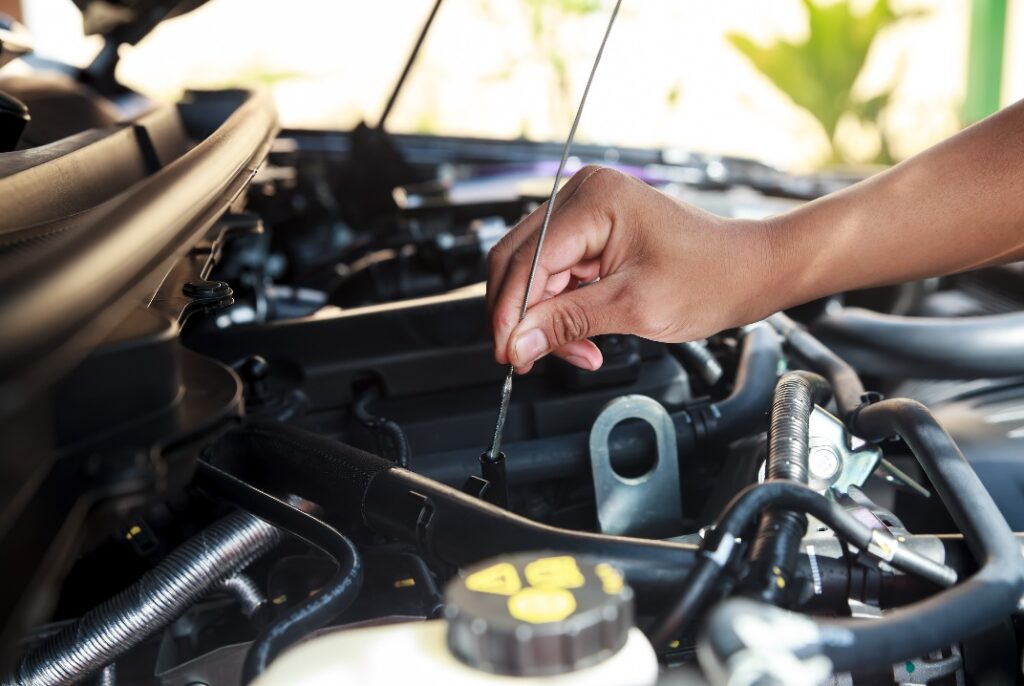
The holiday season is upon us and the chances are you’ve not checked your car’s tyre pressures or fluid levels since, well, ever. Let’s face it, you’ve always got something better to do than crawl around your car making sure it’s not about to expire in a cloud of steam. But neglect your car and hassle is guaranteed, because like any machine, your car wears out. It needs new parts, adjustments to be made, and preventative maintenance that’ll stop small issues becoming big ones.
How to keep your car safe in the winter
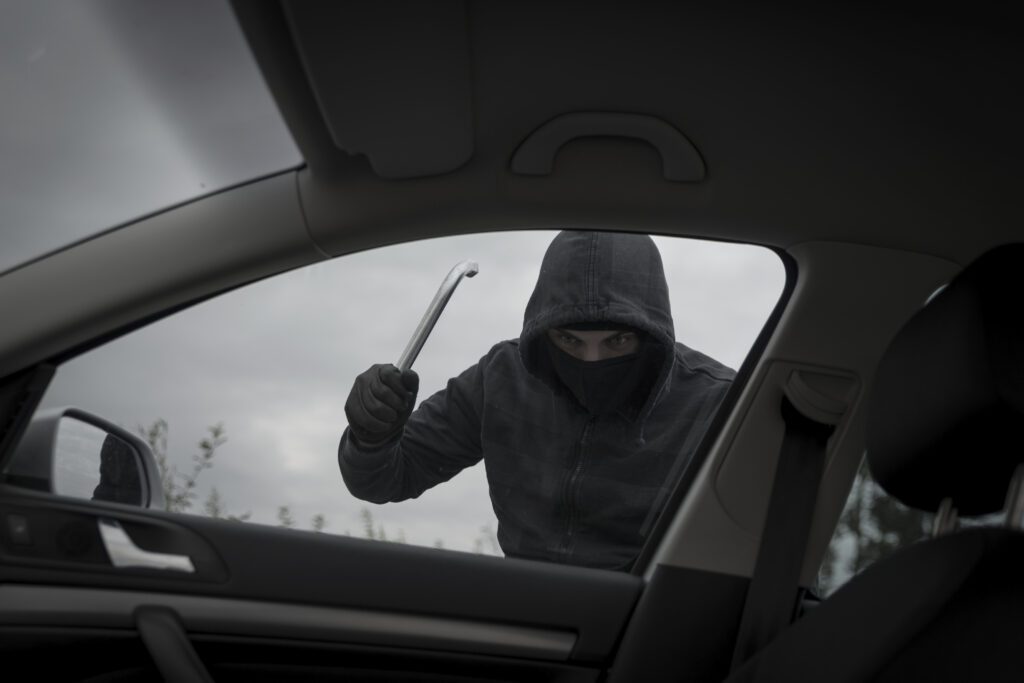
The Christmas period is a great time to visit different cities and explore the German markets. However as the festive season embarks on the ‘Good-will-to all-men’ mantra, we all still need to be aware of thieves. We’ve put together tips on how to keep your car safe this winter. Don’t leave things on show Whether you’re car is parked in a shopping centre or at home on your driveway, don’t leave expensive things on show. This includes; Handbags Wallets / purses Mobile phones Christmas presents Sat nav + mounts In-car charges and any charging wires Money Don’t leave your driving licence or registration documents in the car, this could help fraudsters sell your car.
The complete winter driving guide
As temperatures drop your car has a harder time than ever – and so do you. So give yourself a fighting chance of getting through this winter, by making sure you and your car are fully prepared. Getting your car ready for winter By preparing your car for sub-zero conditions you’ll make your life a lot easier, as you’ll be less likely to break down and you’re also less likely to be involved in a crash. So kick off with the basics: Battery: Most fast-fit outlets will check the state of your car’s battery for free. If it’s on its last legs, the first sign of a sharp frost will see it fail altogether – leaving you unable to start your car. Coolant: To stop your engine from overheating it’s filled with coolant, which is a mixture of water and anti-freeze. If there’s too much water and not enough anti-freeze it’ll turn to ice when the temperatures drop, potentially wrecking your engine. So get the anti-freeze strength checked at a friendly garage. Tyres: You need to ensure your tyres are at the correct pressures and have sufficient tread all year round, and it’s no different in winter. If your tyres are close to the legal limit of 1.6mm, invest in a new set before the bad weather catches you out. It might even be worth investing in a set of winter tyres, although this means buying a second set of wheels or faffing about having tyres fitted to your existing wheels then back again when the temperatures rise in the spring – which is why few drivers bother. Lights: With short days, rain and fog all par for the course over the next few weeks, your lights will probably be on whenever you’re driving. Make sure everybody can see you – and that you can see – by ensuring they’re all working properly. Wipers: The last thing you want when it starts snowing is for your wiper blades to fall apart because they’re perished. If this happens you won’t be able to sweep away any rain or snow, plus there’s a good chance your windscreen will be damaged. Windows: Getting a clear view through your windows is key, so make sure the heating and ventilation work properly or everything will mist up so you’re driving in a permanent fog. And don’t forget to keep your washer bottle topped up.
Tyre maintenance: the complete guide
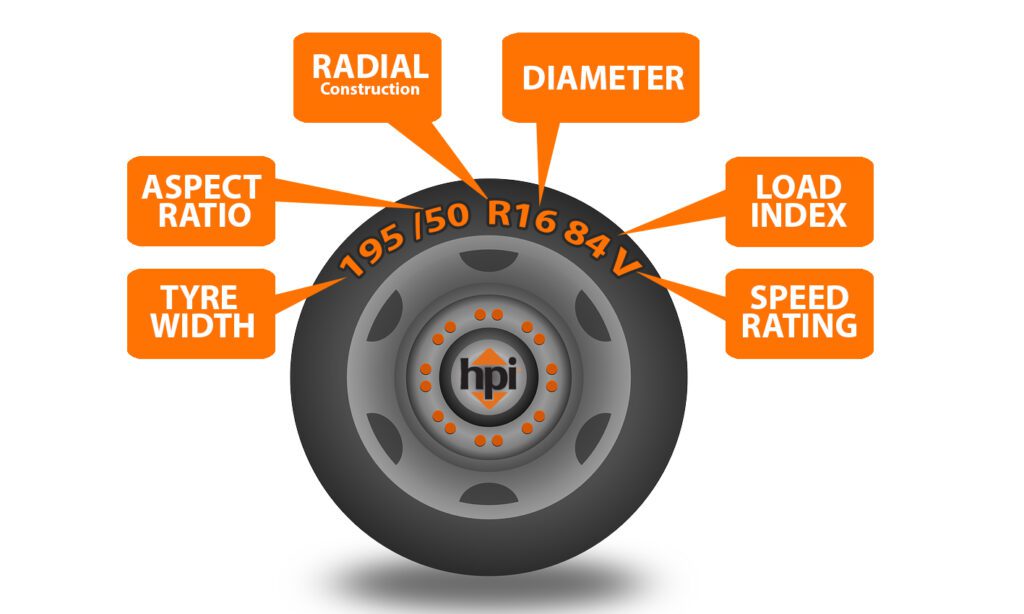
Expert advice on tyre maintenance Depending on how your mind works, you might find the subject of rubber very exciting. Or you might not. In the context of car tyres, you’re highly unlikely to find it even remotely interesting, but death and destruction can be fascinating subjects, and where sub-standard tyres are concerned, carnage is more than just a remote possibility. Bearing this in mind, it’s amazing how many drivers put zero effort into checking their tyres, even occasionally. According to one Michelin survey, more than a third (36%) of UK drivers are motoring on dangerously under-inflated tyres. The tyre maker checked over 4500 cars during a single national roadshow and it found that just one-third of cars (34%) were sitting on correctly inflated tyres while more than one in 20 (6%) had a puncture.
Guide To Driving Abroad

Now that the summer is here, if you’re lucky enough to be heading off on your holidays any time soon, there’s a good chance that you’ll be doing some driving abroad. Whether it’s mainland Europe or somewhere further afield, the prospect of driving on foreign roads can be as exciting as it is daunting. If you love driving, you’ll love it even more if you cross the Channel and explore mainland Europe. Just crossing that stretch of water somehow gives you a buzz; it instantly turns any drive into more of an adventure.
The Dangers Of Buying Used Tyres
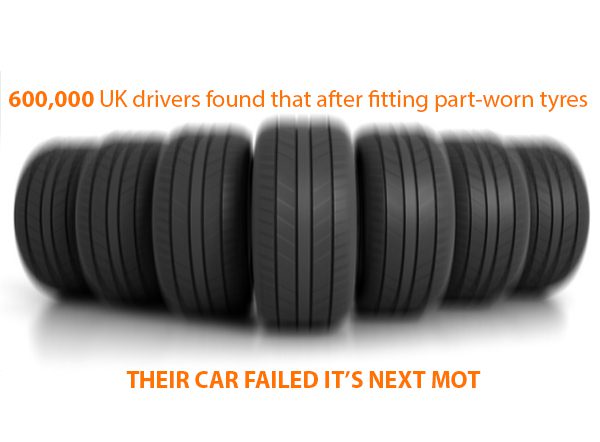
Running a car can be expensive, so it’s only natural that the idea of cutting costs can be hugely appealing. One of the easiest ways of doing this is to skimp on maintenance and to fit cheaper parts when doing so. Second-hand or pattern parts can be much cheaper than the new, branded alternative – so why wouldn’t you opt for them?