

Why an HPI Check is the Best in the Business

It doesn’t get any more insightful than an HPI vehicle history check. Here’s why. If history is your business, it helps if you’ve been around for a while. The HPI vehicle history check first appeared in 1938, so it’s both the original and the best at what it does. There’s more to being the market leader than longevity, though, and HPI prides itself on its depth of insight and the breadth and quality of sources that make up its checks. Here, we unpack some of the key elements that make up an HPI Check and explore why it produces the most detailed and trusted vehicle history reports. Best-in-class data The HPI team works tirelessly to make the information in every vehicle check as precise as possible. Each history check has an accuracy level of 99.5%, and the data is drawn from a wide variety of highly reputable sources, including but not limited to: Trusted by consumers and industry alike You don’t say pen, you say Biro. A Transit, not just a van. And when it comes to uncovering a car’s history, it’s an HPI Check, not just any report. Along with the company’s heritage, it’s the most trusted and recognised brand in the automotive reporting arena. It’s also the only brand in the marketplace for which vehicle history checking is its core business. HPI provides a data warranty of up to £30,000 for consumers, backed up by a dedicated claims management team, as an additional guarantee of the credibility of its information. The company also won the Car Dealer Power award for best car check provider 10 times between 2013 and 2023 and best valuations provider nine times over the same period. Speed Everything that goes into an HPI check is linked to an individual vehicle’s registration number, and all you have to do to get one is visit the HPI homepage, punch in the reg and buy the check, which starts at £19.99. That’s all there is to it. While that doesn’t mean you shouldn’t inspect a used vehicle in person, examine its paperwork or quiz the seller, there really isn’t a faster way to access and understand the on-paper aspects of a used vehicle’s history. An HPI Check Will Tell You: An HPI check will also verify the VIN number, provide a guide valuation and estimated fuel costs, and includes an MOT history check. The latter element also incorporates a list of MOT advisories so, even if a vehicle passed its test, an HPI Check reveals exactly what the garage recommended the owner address. That tells buyers precisely where to look and what to ask the seller when they see the car in the metal. Put simply, an HPI check tells you a vehicle’s story. It’s an elaborate tale with lots of detail, but it’s presented in an easily digestible format and draws your attention to anything of concern. Click here to read a sample report and see for yourself.
How to Prepare Your Car for Winter

A winter car check can be the difference between plain sailing and a chilly turn for the worse. Here’s how to do it. Preparing your car for winter is essential, especially before a long journey. Icy roads, poor visibility, and extreme temperatures are just a few of the colder months’ trademarks, so ensuring your vehicle is winter-ready can help prevent accidents and breakdowns. HPI’s winter car checklist explains how to prepare your vehicle for the toughest seasons. Tyres Adequate tread depth is crucial for gripping icy or wet roads. The legal minimum is 1.6mm, but having at least 3mm in winter is safer. Consider switching to winter tyres, as they’re specifically designed for cold conditions. Cold weather causes tyre pressure to drop, and underinflated tyres reduce fuel efficiency and can lead to poor handling. Ensure each tyre is inflated according to the manufacturer’s specifications and check that the spare tyre is in good condition and properly inflated. Battery Check the battery’s level of charge, especially if it’s more than three years old. Batteries can lose capacity over time, and cold weather is particularly tough on them, while a weak battery can struggle to start the engine in low temperatures. Corrosion can form on the terminals, too, especially in winter. Scrub off the rust for a secure and efficient connection. Coolant and Antifreeze Check and, if necessary, top up the engine coolant to the recommended level. Also, an antifreeze tester should be used to measure the strength of the solution, which should be at a 50:50 ratio of antifreeze to water. Low coolant can lead to overheating or engine damage, so check the radiator, the hoses and the reservoir for signs of leaks. Windscreen and Wipers Check that the wiper blades are in good condition and replace them if they leave streaks or show signs of wear. Winter wiper blades are worth a look because they perform better in icy conditions. Top up your windshield washer fluid with a winter-grade solution to prevent freezing – and don’t just use water because it can freeze in the reservoir or the nozzles. Make sure the defroster and the heater are working, too. Lights and Brakes Functional lights are essential for dark or foggy roads, so it’s more than worthwhile to perform an all-around car check to ensure the headlights, brake lights, fog lights, and indicators are working properly— and wipe off any dirt while you’re at it. Test the brakes. If they feel weak, make a funny noise, or cause the car to pull to one side, get them checked by a professional. Emergency Supplies An emergency kit can make a big difference if there’s an unexpected breakdown or weather delay. Stash essentials such as a torch, a reflective warning triangle, a blanket, a first-aid kit, a tow rope, a warm high-visibility jacket, high-energy snacks, water, a flask of tea or coffee, and basic tools in the boot. Keep a small snow shovel, an ice scraper, a tyre inflator and de-icer handy, along with jump leads or a portable battery booster – dead batteries are common in winter. A portable battery charger for your phone is also a good idea, as is a pair of sunglasses. It might get dark early, but the sun can be low and bright on clear winter days and reflect off snowy or slippery surfaces. Fuel and Oil Keep your fuel tank at least half-full to avoid a frozen fuel line. Low temperatures can blunt the range of electric vehicles, so if you have an EV, ensure it’s well-charged before you set off. Ensure your oil is topped up and, if you live in a particularly cold region, consider switching to a winter-grade oil, which has a lower viscosity and helps the engine to run smoothly when it’s cold. Take the Test A valid MOT is a year-round legal requirement for cars over three years old, but it’s at its most valuable when conditions take a turn for the worse. A professional vehicle check with an emphasis on safety is arguably the single best way to prepare a car for winter, and if any advisories are flagged up on the MOT certificate, you’ll know exactly what to address. If your car’s MOT is due relatively soon, it may even be worth bringing it forward, ahead of the worst of the winter, for extra peace of mind. If you would like to complete a hpi MOT history check, click here
HPI Cloning Story
Motorists urged to avoid falling foul of vehicle cloning scammers Motorists must guard against unscrupulous car cloning criminals to avoid fines and penalties for offences they’ve not committed, warns leading vehicle data and valuation specialist HPI. Criminals use cloned registration plates to avoid detection via police automated number plate recognition (ANPR) systems, which can have serious financial implications for drivers and passenger safety. As there is no longer a requirement for a tax disc to be displayed in a vehicle’s windscreen showing the correct registration plate number, it is easier for a criminal to disguise a stolen car using false plates already in use on a legally taxed vehicle – ideally for the same make, model and colour of car. To buy a registration plate in the UK, car owners must have the vehicle’s log book, a driver’s licence and proof of address. However, it is possible to purchase ‘show plates’ on the internet or over the phone without documentation. Once acquired, there’s nothing to stop show plates being used on the road, albeit fraudulently. Show plates can be bought easily and legally for around £20, usually with same-day dispatch. Stacey Ward, senior data director at HPI, commented: “Cloning disguises the identity of a stolen car which is sold to an unsuspecting victim. However, we also see petty criminals cloning cars to avoid congestion charges and offences such as speeding tickets and parking fines whilst organised gangs continue to use them to commit more serious crimes. “Cloning creates trouble for the owners or registered keepers of the cars that have been cloned but also used car buyers who innocently purchase a cloned vehicle. They may lose the car and their own money when it’s returned to the registered keeper by the police. A cloned car can also hide other potentially dangerous issues, such as falsified mileage readings or even being previously written off after an accident, which can have serious safety implications for drivers, passengers and other road users.“ “If you are looking to buy a second-hand car, it is vital to carry out a HPI Check beforehand. This will reveal if the car registration plates have been cloned. It will also identify if the car has been previously stolen, written off or there is money outstanding on it from a previous keeper.” The HPI Check confirms whether the vehicle registration number, engine number and vehicle identification number stamped on the car match with records held by the DVLA. HPI is urging used car buyers to take the following simple measures to avoid being caught out by cloning criminals: Stacey Ward concludes: “A thorough vehicle history check done online at www.hpicheck.com will confirm if a vehicle has a chequered past. The HPI Check also includes a guarantee that provides cover against buying a cloned car, offering buyers financial peace of mind in the event of being conned by a ruthless criminal.” About Solera: Solera is the global leader in vehicle lifecycle management software-as-a-service, data, and services. Through four lines of business – vehicle claims, vehicle repairs, vehicle solutions, and fleet solutions – Solera is home to many leading brands in the vehicle lifecycle ecosystem, including Identifix, Audatex, DealerSocket, Omnitracs, LoJack, Spireon, eDriving/Mentor, Explore, cap hpi, Autodata, and others. Solera empowers its customers to succeed in the digital age by providing them with a “one-stop shop” solution that streamlines operations, offers data-driven analytics, and enhances customer engagement, which Solera believes helps customers drive sales, promote customer retention, and improve profit margins. Solera serves over 280,000 global customers and partners in 120+ countries. For more information, visit www.solera.com. For more information, contact Nathan Lane on 07447 921654/ [email protected] or Terry Gilligan on 07770 703541 / [email protected] Post 1: Top tips to beat the scammers Vehicle cloning is on the rise, with criminals using fake number plates to disguise stolen cars or avoid fines. Don’t let scammers target you. Top Tips to Stay Safe: Always carry out an HPI Check for peace of mind. Protect yourself with a HPI Check: #VehicleCloning #CarSecurity #HPICheck #StaySafe Post 2: Beware cloned cars Thinking about buying a used car? Criminals are using cloned plates to disguise stolen or unsafe vehicles. Protect yourself with an HPI Check, it will help to beat the clones and discover: A few simple checks could save you from losing your money and your car. Protect yourself with a HPI Check: #CarCloning #HPICheck #UsedCarBuying #CarSafety Post 3: Cars can be too good to be true If a used car is advertised way below market value or the seller insists on cash, it could be a sign of a cloned vehicle. Spot a scam by: Stay informed and avoid being caught out. Protect yourself with a HPI Check #CarBuyingTips #HPICheck #VehicleCloning #SafeDriving Third Party Article: Avoid Falling Victim to Vehicle Cloning Scams Vehicle cloning scams are becoming increasingly sophisticated, with criminals using fake plates to avoid fines, disguise stolen cars, and even commit serious crimes. HPI is urging motorists to take extra care when buying a used vehicle. What Is Vehicle Cloning? Cloning occurs when a car’s registration plate is duplicated and placed on another vehicle—often a stolen car of the same make, model, and colour. This scam can leave unsuspecting buyers with serious financial losses or unsafe vehicles. How to Stay Safe HPI recommends the following tips to avoid falling victim to vehicle cloning: Why an HPI Check help to beat the clones An HPI Check compares a vehicle’s registration number, VIN, and engine number against DVLA records. It can identify other red flags, such as accident history or outstanding finance, helping buyers make informed decisions. Stacey Ward, senior data director at HPI, offers some advice, “A thorough vehicle history check done online at www.hpicheck.com will confirm if a vehicle has a chequered past. The HPI Check also includes a guarantee that provides cover against buying a cloned car, offering buyers financial peace of mind in the event of being conned by a ruthless criminal.”Stay vigilant, don’t let scammers win.
HPI Has Some Expert Advice for Learner Drivers Facing a Wait

The UK continues to face a severe shortage of driving test slots, with waiting times stretching significantly beyond pre-pandemic levels. As of early 2024, around 75% of driving test centres still report delays exceeding six weeks, with some areas seeing as long as 24 weeks. Driving test delays have been ongoing since the start of the pandemic. Additional factors have also resulted in the ongoing backlog, including increased demand and industrial action by examiners. Strikes from November 2022 to June 2023 led to around 25,000 driving tests being cancelled and rebooked. Despite efforts by the DVSA to tackle the problem, the delays remain. A shortage of examiners has worsened the situation. The DVSA has attempted to resolve this with an examiner recruitment drive, conducting tests out of hours and adding 150,000 new test slots, but the backlog persists. Additionally, some driving instructors and third-party companies reportedly buy and resell test slots at inflated prices, further complicating the situation for learners. Many learner drivers are struggling with the financial burden of extended lessons while they wait for a test, with some becoming so frustrated they are abandoning lessons altogether. As the backlog is unlikely to resolve soon without significant changes in testing capacity and increased examiner recruitment, HPI has compiled the following guidance for learners facing the delay. Don’t risk being scammed – many desperate learner drivers are turning to unofficial websites and apps for an appointment under the guide of ‘cancellation appointments’. The DVSA has stated that it does not run, approve or endorse any cancellation finder apps or services. The Government website is the only official place to book a test without risk. Keep your personal data safe – always keep your driving license number secure. It could be invaluable to those looking to steal your identity, and if you’ve used a third-party booking app to secure a test date, you risk having your data stolen or misused. Book early – As waiting times can be as long as 24 weeks in some areas, booking your test as soon as possible is a good idea. If you’ve passed your theory test, secure a test date, even if it’s far in the future. Many learners are booking up to a year in advance. Stay test-ready – while waiting for your test, continue taking regular driving lessons to maintain and improve your driving skills. Be sure to follow your instructor’s guidance about when you’re truly ready to take the test to avoid rescheduling or risk failing. Location – as some test centres have shorter waiting times than others, consider travelling to a less busy centre. This might allow you to take the test sooner. Don’t rush – it’s important not to rush into taking your test if you’re not fully prepared. Failing a test will affect your confidence and may also mean waiting months for a retest. Budget for extra lessons – given the lengthy delays, be prepared for additional costs. Most learners will need extra lessons to stay sharp, which could mean a significant extra expense if you wait months for your test. Driving with an experienced parent or relative in their car is also an excellent option to boost driving time. Ensure you have the necessary insurance and are accomplished enough to go out without a professional instructor. Consider intensive driving courses – if finding a regular instructor due to the backlog is a problem, an intensive driving course can help with learning while you wait for the test. Cancellation apps – if you choose to use an app to secure an earlier test slot, check with your instructor that you’re ready to take an earlier test before doing anything. Look into how the service will use your own personal data and check how much you will be charged. By staying prepared, carefully using available resources, and managing expectations, you’ll be in pole position to pass your driving test when the day finally arrives! If you’ve already chosen the car you want to buy, ensure it’s in perfect condition by completing an HPI check before your test drive.
HPI Reveals Good-Value Used Cars for New Drivers

Buying your first car can be daunting, especially if you are unfamiliar with the used car market. The key thing to remember when buying (or selling) a car is to always do your homework. If buying a used car privately, find out what you should be paying and do the necessary checks to find out how many keepers it has had, whether there is a mileage discrepancy, and whether it’s ever been stolen, involved in an accident, or even written off. It really does pay to be thorough. Experts on the HPI Valuations team have analysed comprehensive vehicle data on city cars and super-minis to create a suggested list of good-value used cars for new drivers. The values are based on what the dealer can expect to pay, so the retail buyer will pay more. Based on the criteria of four—to five-year-old cars with 50K miles on the clock, the HPI team recommends the following vehicles as a great value for money first car choice, all under £8,000. HPI offers a vehicle valuation service that allows motorists to buy and sell cars with confidence. It gives them an inside view of a vehicle’s total cost of ownership during its lifespan and provides depreciation figures. www.hpivaluations.com is aimed at people who are looking to buy and/or sell a car in the used car market and minimises the risks that can result in paying over the odds or not getting the best-asking price. Some further tips to keep in mind to ensure you make a smart purchase on your first car include: Set a Budget Buying and owning your first car is an exciting milestone, but it can also be an overwhelming experience that could prove costly if you make a mistake. With HPI, getting a FREE car valuation couldn’t be easier. Just enter the car’s registration number and mileage, provide a few details about yourself and your car valuation is provided instantly. You can later upgrade to a premium valuation to get 3 more market values, a depreciation graph showing past and future values and a sum of annual running costs. Get your free HPI used car valuation today here And if you know which car you want to buy, get piece of mind with an HPI Check here
What to Do in the Event of a Manufacturer’s Recall
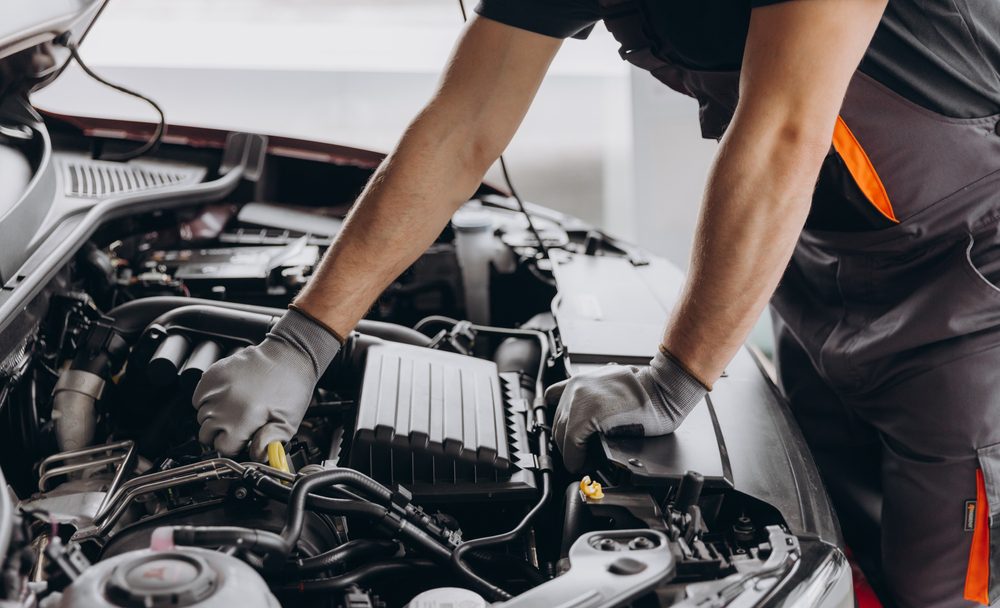
A manufacturer recall is a proactive action a car manufacturer takes to address safety-related defects or vehicle issues. When a problem is identified through internal testing, customer complaints, or investigations by regulatory agencies, the manufacturer will usually take the necessary steps to notify vehicle owners and dealerships about the issue. Recalls aim to ensure the safety and reliability of vehicles on the road while protecting manufacturers from legal liability if an accident occurs due to an identified fault. The recall process involves many vehicles, including passenger cars, commercial vehicles, buses, coaches, trailers, agricultural vehicles, motorhomes and caravans. What do manufacturer recalls usually involve? A recall typically involves the following elements: Who has overall responsibility for recalls? In the UK, the Driver and Vehicle Standards Agency (DVSA) manages the safety recall scheme, including vehicle recalls. The DVSA has a specialist Vehicle Safety Branch (VSB) dedicated to safety recall work. Over the past 30 years, millions of vehicles have been recalled for rectification under this scheme. The effectiveness of this system demands close cooperation between DVSA, manufacturers and vehicle Trade Associations. What to do if you receive a recall notice If you are notified that your vehicle is subject to a manufacturer recall, follow these suggested steps to ensure its safe repair. 1) Confirm the recall The manufacturer will usually send a letter fully explaining the recall details. You can check for recalls online on the DVSA or the manufacturer’s website by entering the vehicle’s Vehicle Identification Number (VIN). 2) Contact the manufacturer or dealership Call the dealership or the manufacturer’s customer service team. They will provide details about what needs to be done and schedule a repair or inspection. Failing to address a recall can led to safety hazards and may even invalidate certain aspects of vehicle insurance. 3) Arrange repair work Take the vehicle to an authorised dealership for the necessary repairs. The repairs or replacement of faulty parts will be carried out at no cost to you. The dealership will advise on how long the repair process will take. 4) Avoid using the vehicle if necessary For recalls involving serious safety risks (such as faulty brakes, steering or airbags), it may be unsafe to drive the vehicle until it has been repaired. The manufacturer will advise you if the car is safe to drive or should not be used. 5) Hold on to documentation Keep records of the repair or service for future reference, especially if you plan to sell the car. Having a recall issue rectified can improve a vehicle’s resale value. What other measures are available to help me deal with a manufacturer recall? In a typical year, more than one million cars are affected by a recall, with over 150 recalls issued by vehicle manufacturers. If you are concerned your vehicle is subject to a manufacturer recall, and you can put your mind at ease by carrying out an instant HPI safety recall check. The advice from trusted vehicle history check and valuation experts HPI is the quickest and simplest way to check if a manufacturer has recalled a vehicle due to a critical safety defect. It provides accurate, reliable vehicle recall information in seconds. It gives information on a specific vehicle using its number plate alone. HPI’s safety recall check is available as a standalone safety check or as part of an HPI Check. It provides a fully comprehensive vehicle check, arming you with vital information and offering protection from motoring scams and fraud. And if you are looking to buy a used car, HPI Recall adds another layer to a buyer’s comprehensive vehicle history check, offering further protection against potentially making a costly mistake. The HPI Check confirms whether a vehicle is currently recorded as stolen with the police, has outstanding finance against it, or has been written off. It also includes a mileage check against the National Mileage Register as standard. HPI has provided fast, accurate data to support used car buyers who have been making vehicle checks for eight decades.
Top 10 Used EVs Under £12,000: Affordable Electric Vehicles for Every Driver
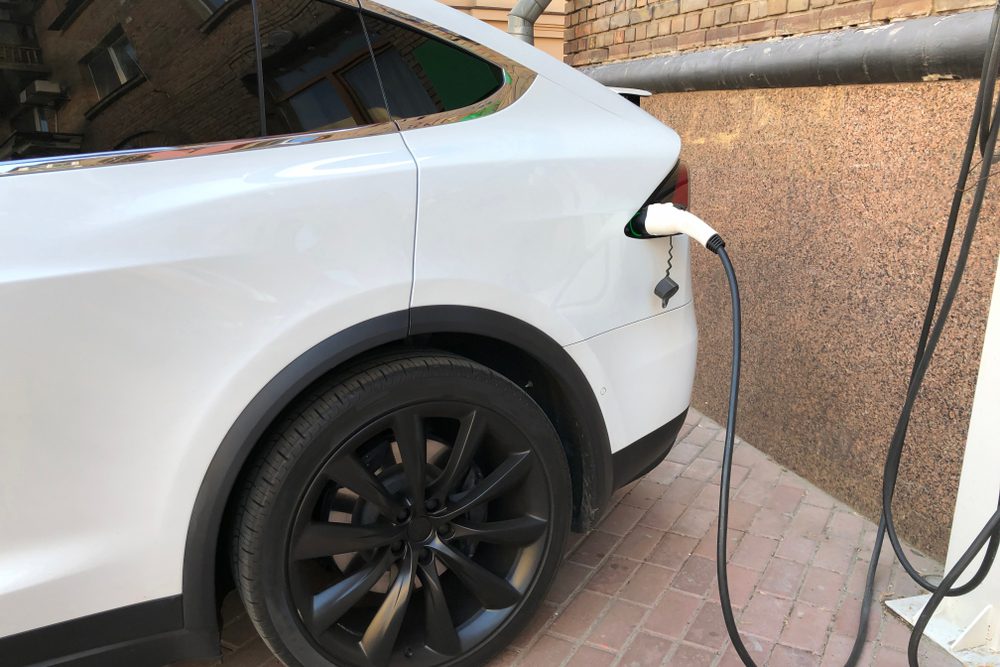
With over one million electric vehicles (EVs) now on Britain’s roads, the switch to electric is clearly gaining momentum. As more drivers look for sustainable options, used EVs are becoming a highly attractive and affordable choice. Valuation experts at cap hpi have compiled a list of ten used EVs with trade values under £12,000, making it easier for you to find the perfect electric vehicle at a budget-friendly price. Used EV Market Insights According to cap hpi’s latest research, the average drop in value for EVs over the last 12 months has been approximately £5,000 or 19% for vehicles three years old with 30,000 miles. This market adjustment offers a unique opportunity for those interested in owning an electric vehicle at a lower cost. Chris Plumb, Senior Valuations Editor at cap hpi, states, “Used EVs offer considerable savings over new models, along with low running costs. Most consumers will find a used EV that suits their daily needs while contributing to reduced carbon emissions.” Top 10 Used EVs Under £12,000 Here are the top ten affordable used EVs: Model Trade Price (£) SKODA CITIGO (19-21) Electric 10,080 HYUNDAI IONIQ (19-23) Electric 10,050 FIAT 500 (20- ) Electric 9,960 MG MOTOR UK MG 5 (20- ) Electric 9,910 KIA SOUL (14-19) Electric 9,425 NISSAN LEAF (17- ) 9,190 VOLKSWAGEN UP (13-24) Electric 8,950 VAUXHALL CORSA (19- ) Electric 8,700 RENAULT ZOE (19-24) Electric 8,465 SMART FORFOUR (20- ) Electric 7,295 Benefits of Buying a Used EV Used electric vehicles come with many advantages beyond the lower purchase price. EVs typically have fewer moving parts than traditional petrol or diesel cars, which can lead to lower maintenance costs. Additionally, electricity is generally more affordable than fuel, particularly if you can charge at home using off-peak rates or renewable energy sources like solar power. Many of these used EV models also come with the latest technology, including advanced infotainment systems, energy-efficient drivetrains, and modern safety features—all at a more affordable price point compared to new models. Why an HPI Check is Essential Before buying any used vehicle, it’s crucial to perform an HPI Check. An HPI Check helps ensure that the car you’re interested in has a clean history, free of hidden issues like outstanding finance, being written off, or any previous major accidents. Recent data reveals that one in three vehicles have a hidden history, with 2,205 cars flagged as write-offs. Protect yourself from unexpected surprises and ensure your EV is a sound investment. Ready to Buy a Used EV? Protect Your Investment with an HPI Check!Before you make your purchase, get peace of mind with an HPI Check. It only takes a few minutes and could save you thousands in the long run. Click here to get your HPI Check now!
Used Car Scams: How to Spot and Avoid Them

The oldest trick in the book or the latest scam on the block? HPI’s guide explains how used car fraudsters operate and how to give them the swerve. HPI first launched its vehicle history check in 1938, which tells you one thing: used car scams are nothing new. Conveniently absent documents, questionable mileage or something in a car’s back story that doesn’t quite stack up are just a few indicators that a potential purchase may not be all it seems. Some scams are long in the tooth, while others have modern tech on their side. In either case, used car buyers’ best line of defence is to familiarise themselves with popular scams and their hallmarks. If you can see them coming, you’re much less likely to fall for them. Cloning As the name suggests, cloning is when a car’s identity is changed. This usually happens because the car has been stolen, and thieves want to sell it quickly to an unsuspecting buyer. It can also happen when organised criminals want to avoid detection, so they clone a car that can’t be linked to them or, at a lower level, when offenders want to avoid paying traffic or parking fines generated by ANPR cameras. Falsifying a car’s identity can involve changing the number plates, forging documents such as the V5 (the registration certificate) and tampering with the Vehicle Identification Number (VIN). Clocking and Blocking Clocking is when the reading on the car’s odometer is reduced to make it look as though the mileage is lower than it really is. The lower the mileage, the greater the value, so buyers are deceived into thinking the car is worth more, and it could well be hiding a much greater level of wear and tear. Blocking is when the odometer is prevented from recording mileage, so the reading remains static, regardless of how far the car has travelled since it was paused. Neither clocking nor blocking are new – they’ve been around since people worked out how to fettle with odometers – and they were traditionally carried out by mechanically adjusting the reading or disconnecting the speedometer, but, like many shady activities, they have moved with the times. Mileage blockers are digital tools that connect with the odometer, often via a smartphone, and effectively allow the user to punch in whatever number they like (clocking) – or instruct it to stop recording mileage (blocking). Arguably, the biggest problem with clocking and blocking is that altering the odometer is completely legal. It is only illegal to knowingly sell a clocked car without declaring its genuine mileage. It’s also easy to find mileage blockers online, as many are sold with disclaimers that state they are only supposed to be used by technicians in a workshop setting. However, that doesn’t stop scammers from buying them. Clearance Fraud One of the more modern and organised scams on the scene, clearance fraud is when criminals seek out vehicle owners with outstanding finance. It is the seller’s responsibility to pay off any remaining motor finance – such as personal contract purchase (PCP) or hire purchase (HP) – before the car is transferred to a new owner, because they do not technically own the vehicle until it has been paid off. Clearance fraudsters contact unsuspecting owners and offer to pay off the finance on their behalf if they sell them the car. Criminals will buy the vehicle for less than market value and then sell it for a profit without paying off the finance. That means the subsequent owner has a car with financial baggage that should never have been sold in the first place and which they cannot legally sell on. Put simply, do not attempt to sell a car with outstanding motor finance and refuse offers from anyone claiming they will pay it off for you. How an HPI Check Can Help An HPI check is specifically designed to shine a light on a used vehicle’s history. It draws on numerous sources such as the National Mileage Register, the police, the DVLA, insurance and finance providers and other industry bodies for a comprehensive snapshot of any motorised vehicle’s past. That includes cars, vans and motorcycles. An HPI Check Will Tell You: An HPI check will also verify the VIN number, provide a guide valuation and estimated fuel costs, and include an MOT history check. DIY Scam Checks: An HPI check is a one-stop shop to guard against vehicle fraud, but there are also plenty of things to look out for when you’re inspecting a used car in person that can reveal a scam. The VIN is a big one. It’s stamped on a plate and can be found in various locations throughout the vehicle, usually in or around the engine bay, on the bulkhead, or behind the driver’s or front passenger’s door. The plate should be fixed firmly to the bodywork and clearly visible, and the number should be consistent wherever it is displayed. VIN plates that are loose, look as though they’ve been tampered with, or are covered by replica stickers are big red flags. Check all the documentation thoroughly. Do the VIN number and the registration plate match what’s listed on the V5? And do elements such as the service and MOT histories stack up chronologically? Mileage is always recorded during an MOT test and often when a vehicle is serviced or repaired, so they’re all good reference points. Check for motor finance documents when you’re leafing through the service history, too, and ask to see evidence that any finance has been paid off. Have as good an idea as you can of the car’s market value (HPI Checks include a basic Valuation, and you can also check prices of similar examples on classified sites). Be on your guard if the seller asks for less than 70% of the market price for a vehicle. Protect yourself from vehicle fraud and make an informed purchase with an HPI Check. Whether it’s outstanding finance, mileage discrepancies, or a stolen vehicle, HPI uncovers the
Used Car History: What to Check and How to Check It

Diligence is everything with a used car history. HPI’s guide explains how buyers can uncover them. A physical inspection will tell you a lot about a used car’s history – but it won’t tell you everything. Even what appears to be a pristine example can have a less-than-perfect back story, which could include elements that dent its value or worse. Used car histories are open books if you know where to look, though, and a few straightforward checks can clearly illustrate a vehicle’s past. hpi’s guide explains what to check, how to check it and how to get the best out of the information at hand. The basics They might be obvious, but the basics matter, and they are the best place to start. Check the car’s service history, MOT history, mileage, and number of owners. Do they match the advertisement and/or what the seller is saying? An MOT check is worthwhile because each test records the mileage, which is an important first step in ensuring the vehicle’s mileage hasn’t been altered. This helps to verify the car’s history, illustrates at least some of its mechanical past (whether it passed the first time, needed repairs, or had any advisories), and shows how regularly previous owners tested it. Additional checks can be made to check the accuracy of the stated mileage. Accident history It is the seller’s responsibility to tell potential buyers if a vehicle has been involved in an accident, and if it has, there should be documentary evidence. That obligation doesn’t extend to telling buyers about kerbing a wheel or scuffing a bumper against the garden fence (although a transparent service history detailing such incidents and repairs is good), but rather if the car was involved in a significant accident on the public highway and damaged to the point where its safety could be compromised. The severity of the accident determines whether a vehicle can be repaired to roadworthy standard, and if it has been categorised A or B by insurance assessors, it can’t be. Those letters mean it is a write-off – also known as a total loss – and cannot legally be repaired to a safe standard. Cars marked S or N have lighter damage and can be repaired. Insurers still class them as write-offs or total losses because they are not considered economical to repair, but they were involved in lower-level accidents and can be used on public roads again, providing they are safely repaired by a qualified engineer. Outstanding finance The seller is also responsible for settling any outstanding finance on the car before it is sold. For example, if they bought it with a finance package from a dealer, that must be paid off before they sell it. Even if you bought the vehicle in good faith, if the finance hasn’t been settled, then the lender could repossess it, meaning you could lose the car and the money you paid. Ask the seller if they bought the car with finance, when they paid it off, and if they have documents to support their claim. Stolen and recovered – or not? Once again, the seller must declare if a vehicle was stolen and recovered. Assuming a stolen vehicle was safely retrieved by the authorities and wasn’t damaged in the process (or if it was, it was well repaired), and the seller is clear and honest, there should be nothing wrong with it. However, as with accident damage, a theft can negatively affect a car’s value, so would-be buyers have a right to know its history. Worse, you really don’t want to buy a car that has been recently stolen, so always query rock-bottom prices that seem too good to be true and pause for thought if there’s pressure for a quick sale. Keep an eye out for signs of break-ins – forced damage to locks, door handles, windows boots and any other entry points – and check the Vehicle Identification Numbers (VIN) to make sure they match. These are often found under the bonnet, behind the front doors and sometimes in the footwells. HPI Check: the one-stop shop for car history checks A HPI Check will shine a light on all the above and more. It checks multiple sources of information from the DVLA, the police, the National Mileage Register, insurance and finance providers and other industry bodies to generate a clear and definitive history about any motorised vehicle, including cars, vans and motorcycles. Unscrupulous sellers or owners may seek to alter a vehicle’s mileage through clocking or blocking technology to increase its value. An HPI Check uses data from the National Mileage Register and many other sources to better understand a vehicle’s history. A HPI Check will tell you: A HPI Check will also verify the VIN number, provide a guide valuation and estimated fuel costs, and include an MOT history check. Many dealers include HPI checks as part of their used car sales, and it’s always worth asking to see the digital certificate and querying how recently the check was done. Click here to see a sample hpi check report so you know what a genuine one looks like. If you’re buying from private sellers on eBay or Gumtree, running an HPI Check yourself is worth it. Single checks cost £19.99, and be wary of anyone offering a free check—there is no such thing. Believe your eyes You won’t find it in the service history, but good, old-fashioned common sense never goes amiss when you’re checking a used car. Ask yourself: does the car’s real-world condition match its alleged history? Seeing it in the metal is the final piece of the puzzle, and – as long as you’ve done your homework – if the degree of wear and tear is commensurate with its age, mileage and documentation, then you’re likely onto a winner. However, if it’s advertised as a low-mileage car, but its real-world condition doesn’t tally with the description, ask the seller why and, if you can, interrogate further. For all the tricks of the trade,
How Much Is My Car Worth?

Not sure how much your car is worth? HPI’s guide explains the key factors that determine a used car’s value and how to generate an accurate valuation. ‘What’s my car worth?’ is the age-old question – and it’s usually followed by someone puffing air out of their cheeks and humming. A proper car valuation draws on lots of different factors, and unless you’re a motor trade veteran, it’s difficult to know exactly what your car is worth. The good news is that calculating an accurate valuation does not require decades of experience on dealer forecourts, because the same fundamental rules about valuation apply to all used cars. The only exceptions are rare or classic models, which require specialist expertise. HPI’s guide explains the dynamics that determine valuations and how sellers can calculate an accurate figure. What factors determine a used car’s value? Condition This is the number one element in a used car valuation. If you put two identical cars side-by-side, one immaculate and the other needing work, the former is obviously worth more. Condition works on a sliding scale, and smaller defects such as minor scuffs or stone chips generally have little effect on a car’s value, while a major fault takes a chunk off the price. Cars are emotional purchases, and it’s easy to convince ourselves that ours is better or worth more than the market dictates, but objectivity is the best policy. The more realistic you are about the car and any defects it may or may not have, the more accurate your valuation. Paperwork Call it paperwork, provenance or service history – it amounts to the same thing. A used car with a full-service history – including evidence of any repairs or maintenance work that fell outside the regular servicing schedule – is worth significantly more than one without it. As with condition, it’s a sliding scale. One or two missing service stamps might blunt the value a little, while no paperwork whatsoever takes a big bite out of the price. Gathering all the car’s documents before you work out its value, let alone advertise it for sale, is worth it, as knowing exactly what you do and don’t have will help with both. Some newer cars have digital service histories, so contact the manufacturer for evidence of these before you get stuck in. Age and mileage It’s an obvious one, but a newer car with fewer miles on the clock is worth more than an older, well-used equivalent. Age and mileage also work on a sliding scale, but the biggest impact comes at the beginning. Cars lose most of their value early in their life, typically within the first three years. This process is known as depreciation. For conventional used cars, the value continues to fall after the first three years, but the rate of depreciation slows over time. That loss is also increased or lessened by higher and lower mileage. All the gear Buyers expect a used car to come with everything it had when it was new – and that includes anything removable. At best, a missing spare key, parcel shelf or locking wheel nut key is an inconvenience. At worst, it’s a bill for the hundreds of pounds. Missing charging cables for electric vehicles are even worse because they’re a much more urgent purchase and can come with a four-figure bill. As with the service history, these items don’t add to a used car’s value, but their absence will detract from it. Cleanliness This is arguably the simplest of the lot, and it’s best to look at it from the buyer’s perspective. Which of the following would you pay more for? Again, a clean car doesn’t add value, but a dirty one won’t make as much money. Ask yourself what you’d expect – and pay more for – as a buyer, and apply the same criteria. How to value your car Ask the experts The hpi website’s free valuation tool is the fastest and most scientific way to value your car. Log onto www.hpi.co.uk, enter your vehicle’s registration number, and punch in your contact details and the site will calculate a highly accurate valuation based on an award-winning used car valuation database. The site will give you three different valuations. The private sale value is how much you can realistically expect if you sell the car yourself, the trade-in price is what you can expect a dealer to pay for it (this is always the lowest figure because dealers build in a profit margin) and the forecourt or retail price (always the highest for the same reasons) is how much a dealer will typically charge when they sell the car. Used car buyers can also use the site to perform an instant hpi check. This is a paid service (checks start at £9.99) that tells a buyer if there is anything in the car’s history of concern. The checks cover a wide range of areas, including whether a vehicle has been stolen, written off, clocked (when the mileage has been tampered with) and if it has outstanding finance. Check out the classifieds This is the low-tech way of valuing your car, but it’s still worth a look, even when you have an official valuation. Search online for used cars advertised for sale that are as close to yours in terms of age, mileage, condition, make and model as possible. It’s unlikely you’ll find an exact match, but it should give you a reasonable idea of how much your car is worth. Bear in mind the key elements from the hpi valuation: cars advertised by dealers are generally more expensive than those from private sellers. This is not only because dealers sell cars professionally and for a profit, but also because they often provide additional aftersales cover, such as warranties, whereas private buyers don’t. Again, the dealer’s trade-in value will be the lowest of all, but it’s also the fastest and most convenient way of selling a car.