

Hoping for a sweet 16 on the March plate change?
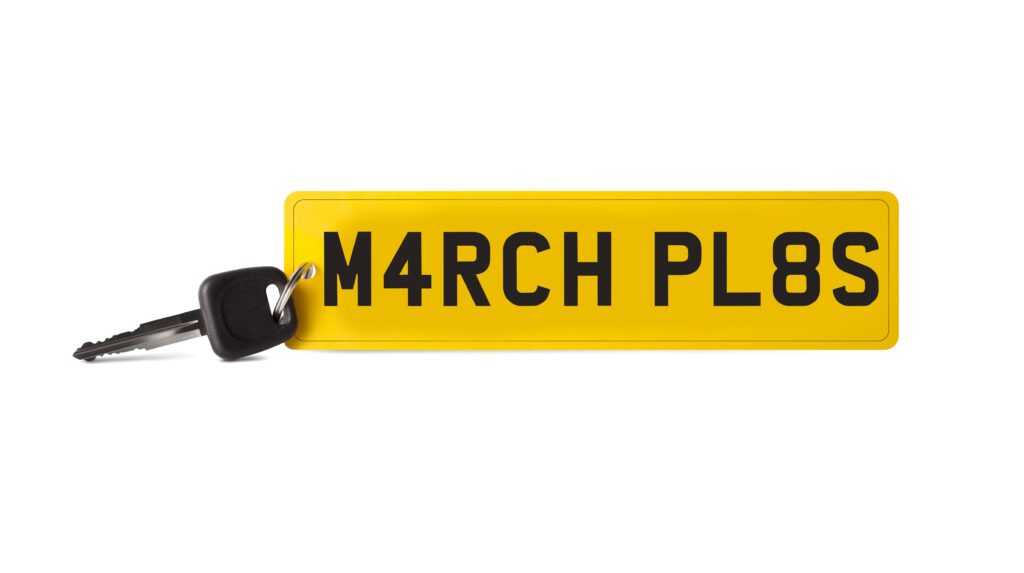
HPI offers used car buying tips to avoid buying a vehicle with something to hide www.hpicheck.com The March plate change brings a swathe of used vehicles onto the market, as people upgrade their car. Used car buyers looking for a sweet 16 bargain could be in for a nasty surprise, if they don’t bother to protect themselves from the risks, warns HPI provider of the HPI Check®. Shiny paintwork and all the latest in-car gadgets can turn heads, but HPI urges used car buyers to conduct a vehicle history check to be sure that bargain is as sweet as it looks. “More than one in five vehicles checked with HPI in the past year have had at least one number plate change,” explains Neil Hodson, Deputy Managing Director for cap hpi. “Whilst a plate change could be simply to personalise the vehicle, dodgy sellers call also change plates to hide a car’s true identity.” A car that’s had a plate change could be hiding a multitude of issues. Buyers can find themselves out of pocket, if they have mistakenly purchased a stolen car or one that’s still on outstanding finance. The police or the finance house could seize the vehicle, resulting in the unsuspecting buyer losing both the car and the money they paid for it. Similarly, an insurance write-off that’s been patched up with new plates could be hiding serious mechanical or structural faults. But buyers don’t have to take the risk. Hodson concludes, “The March plate changes means there are lots of bargains to be had, as people trade in their current car for something new. The best way to be sure you don’t buy a car hiding something sinister under the bonnet or in its past, is to get a vehicle history check. This way used car buyers can shop with confidence this March.” The HPI Check gives used car buyers the confidence they need to shop around knowing they can find out a vehicle’s hidden history with the click of a button. In addition to confirming if a vehicle has been written off, the HPI Check includes a mileage check against the National Mileage Register as standard, now with over 200 million mileage readings. It also confirms whether a vehicle is currently recorded as stolen with the police or has outstanding finance against it. HPI’s Sweet 16 Car Buying Checklist [yes_list] Set a budget and stick to it, including the costs for insurance, servicing and car tax Have a list of questions to ask the seller and record the answers. Ask the seller to sign and date the document. Always view the car in daylight Check the car’s registration document (V5) to validate ownership and the accuracy of the vehicle’s age and mileage. Check that the engine/chassis numbers match the V5 and HPI documentation. Bring a coat – although it may be cold now, you will want check how the car will perform in both summer and winter. A good way to try this is to leave on your coat at first and see how well the car’s air conditioning cools you. Then, take it off and see how long it takes to warm up. Ensure that appropriate insurance is obtained before you test drive the car. Take it for a test drive on a variety of roads for at least 10-15 miles Don’t rely on the MOT as evidence of a car’s condition. Check for oil leaks, welds, untidy seams or paintwork. Are the electrics working Check for rust and paint bubbles on sills, wheel arches and doors. Does the mileage match the age of the car? Look for excessive wear on the steering wheel, gear stick, seat and foot pedals which could indicate the vehicle is older than the mileage suggests. Beware of false car keys – this could indicate the car has been stolen. Never pay with cash – use the banking system or walk away. What’s the market value? If the price tag is less than 70% of the market price, be wary. Conduct an HPI Check at www.hpicheck.com to reveal a car’s hidden history [/yes_list]
The 10 most common reasons for car crashes
Everyone likes to think they’re a good driver and that they’re not going to be involved in a crash. But according to the Association of British Insurers (ABI), every year around three million people claim on their car insurance, sometimes for theft or vandalism, but usually because of some kind of collision. It doesn’t help that we’re all busier than ever and so are our roads; as we rush from one place to another it’s inevitable that crashes will happen. UK roads are among the safest in the world but there are around 30 million vehicles registered in the UK, and each year more than one in 10 of those will be the subject of a claim. Do the sums and you’ll see that with more than three million claims annually, that works out at more than 8,000 each day or nearly 60,000 per week. So how can you make sure that you don’t end up on the receiving end of a pile of forms to fill in? A decent clue is given here; the 10 most common reasons why car crashes happen in the UK, according to the Department for Transport (DfT). Be careful out there…
Types of car insurance cover
The problem with car insurance is that it’s full of jargon, but you need to get to grips with it if you’re to stay legal and get the best deal you can when buying cover for your car. One of the key things to consider with car insurance is what level of cover you want – as well as what you can afford. There are three types to consider – plus a raft of add-ons, only some of which are worth having… Third party car insurance This is the minimum level of cover that you can buy for your car, but it’s all you need to drive legally. As a basic policy you could be left feeling very exposed in the event of an accident – especially if it’s your fault. Third party car insurance will only cover the costs of anybody who would otherwise be left out of pocket by your actions. So if you drive into someone or something, repairs to their property will be taken care of and so will any personal injury claims. For some people this is enough, but don’t be fooled into thinking that it won’t happen to you. Misjudging a corner, skidding on a wet road or failing to spot someone as you pull out from a junction are all things that might just happen. And if one of these things does happen to you, the cost of repairing or replacing your car will be completely down to you. There’s also the possibility of your car being stolen or catching fire; newer vehicles, with their high-pressure fuel systems, along with modern fuels which are incredibly flammable, mean car fires are more common than ever. With this most basic level of car insurance you won’t be covered in the event of your car being pinched or burned out, so you could be left hugely out of pocket. So before opting for third party insurance cover only, think very carefully.
To buy or not to buy? : The answer could be in the paperwork
HPI’s Guide to Helping Used Car Buyers Avoid the Paperwork Pitfall www.hpicarbuyersguide.co.uk After searching for that dream car, many buyers are all too eager to seal the deal and hand over their hard earned money. But, says vehicle history check expert HPI, it’s vital to look beyond the shiny paintwork and high spec interior to avoid being caught out. Having the correct paperwork present when looking at the car will provide buyers with peace of mind, but it’s crucial to know exactly what to look for. HPI, provider of the HPI Check®, is helping buyers spot any early warning signs that the car may be a lemon in disguise, with its Paperwork Checklist. V5C (Logbook) HPI warns consumers not to buy a car without a V5C – otherwise known as a logbook – and make sure it’s genuine by looking for the DVLA watermark which can be seen when holding it up to the light. If there’s no V5C to hand, a new one can be applied for, but buyers should ask themselves and the seller why it isn’t available. If it’s been mislaid, ideally the vendor should have applied for a replacement before selling. Whilst the V5C tells buyers how many owners the car has had and who it’s registered to, it’s important to note that the person listed isn’t necessarily the legal owner of the car, simply the person to whom any fines will be sent. Buyers and sellers alike are also warned that not telling the DVLA of a change in vehicle ownership is an offence. MoT From three years after the date of first registration, all cars need an MoT roadworthiness check. It’s important to check the historical mileage reading for each year of its MOT test, not just the current reading, as this should paint a consistent picture of the vehicle’s increasing mileage over the car’s life. In addition, an MOT certificate will only tell buyers that the car met the test requirements on the particular day when the test was done, so it’s important buyers don’t rely on the MOT as an indicator of the vehicle’s current general mechanical condition. With all information now logged centrally, buyers can easily check if a vehicle’s MoT is valid by entering the vehicle registration and make online at www.vehicleenquiry.service.gov.uk. Without a valid MoT, a car can’t be taxed – and therefore can’t be insured.
Should I buy a classic car?
The question is simple; should you buy a classic car, or not? But the answer (unsurprisingly) is far more complex. What constitutes a classic car? What will you be using it for? What’s your budget? Why are you considering one? Will this be your sole means of transport? For some people a classic car makes huge sense – while for others it would be nothing but a liability. Here’s how to work out whether buying a classic is likely to lead to tears of joy or tears of despair… What is a classic car? The parameters have shifted massively over the last few years, with some cars considered classics before they’ve barely gone out of production. Obvious candidates include the Mazda MX-5, Honda S2000, Porsche Boxster and a whole raft of other sportscars with enthusiastic owners’ clubs. With a superb 1990s MX-5 or early Boxster, Audi TT or S2000 available for less money than a mint 1960s MGB, it’s no wonder interesting newer cars have such a following. They’re arguably more usable, more comfortable and better equipped – and generally safer too. To some they don’t have as much charisma, but if you want to enjoy the thrill of the open road they tick most (or even all) of the key boxes. Turn up at a classic car show in something interesting made within the last 20 years and you’ll probably fit in fine. But for guaranteed acceptance within the classic car fraternity, you need to buy something built at least 40 years ago, with lots of chrome and the strength of a shopping trolley. Only you can work out whether something so old would fit into your life, but whether it’s your sole transport or just a weekend toy will probably be the deciding factor.
10 great gadgets for your car

There was a time when the height of automotive sophistication was the fitment of a radio or heater. Then things moved on and if you didn’t have an in-car kettle or mechanical trip computer, you were a nobody. But nowadays, even the smallest cars are available with a bewildering array of high-tech gadgetry, from a heated steering wheel to touch-screen multi-media. Not everyone can afford the latest car though; more of us are driving five-year old Ford Fiestas than six-month old Mercedes S-Classes. So if you fancy a glimpse at how the other half live, here’s what you need to buy to make your car a bit more luxurious – with prices starting at less than a tenner.
It may be racy, but it’s also risky! Green cars the mostly likely to be stolen, clocked or written off
HPI data reveals green cars the mostly likely to be stolen, clocked or written off www.hpicheck.com According to new research by the vehicle history check expert, HPI, the colour car that most commonly hits its ‘at risk’ registers is green. Used car buyers who conduct an HPI Check® on green cars are more frequently told they are either registered as stolen with the police, have a mileage discrepancy that needs investigating, or are recorded as an insurance write-off. The good news is that green cars are the least likely to hit the outstanding finance register – and 1 in 4 cars checked with HPI has outstanding finance against
Motoring terms explained
Modern life is full of jargon which often serves only to confuse. Nowhere is this more evident than in the world of used cars, where misunderstanding an acronym or technical term could land you with a whole heap of trouble. That’s why it’s so important to understand the terminology that’s bandied about. Here at HPI we have to use all sorts of terms that you might not understand. But read on and you’ll soon see there’s nothing to fear – we’ll soon have you talking like a seasoned car trader.
Five great used family cars for under £10,000
When you think what the modern mainstream car offers in terms of comfort, refinement, equipment, safety and efficiency, they’re terrific value. However, if new cars offer a lot for the money, used and nearly new cars are even more of a steal. Even the premium brands can’t escape the ravages of depreciation, so if you buy a German car that’s a year or two old, you’ll be getting a car that’s still as good as new but you’ll be getting a hefty discount on it. But if you’re a bargain seeker your best bet is to avoid buying German because of the premium you pay. Japanese and Korean cars tend to be more reliable and cheaper to buy while French and Italian brands are usually cheaper still, but often not as dependable. For less than £10,000 you’ve got your pick of great family cars, whether you want a crossover, an estate, a hatchback or an MPV. And if you don’t believe us, here’s the proof.
IT’S A FLOODY WRITE-OFF
hpi warns used car buyers to beware of water damaged vehicles hiding behind a temptingly low price tag www.hpicheck.com A staggering 237 thousand written off cars are uncovered every year by hpi, provider of the hpi check®, as being offered for sale by sellers who won’t always declare to buyers that they are insurance write-offs. However, warns hpi, with the used car market anticipated to be swamped with flood damaged cars in the coming months, the risk of purchasing a write-off could significantly be on the rise and buyers are being urged to take the necessary precautions. Whilst it’s not illegal to professionally repair and sell Category C and D insurance write-off cars, those that have been declared a Category A and B write-off are only good for the scrap heap or should be broken down for spare parts; they should never be returned to the roads. Unfortunately, there are fraudsters willing to patch up and disguise written off vehicles and sell them on to unsuspecting buyers for a quick profit.