

cap hpi reveals the 10 sports cars with the lowest Total cost of ownership
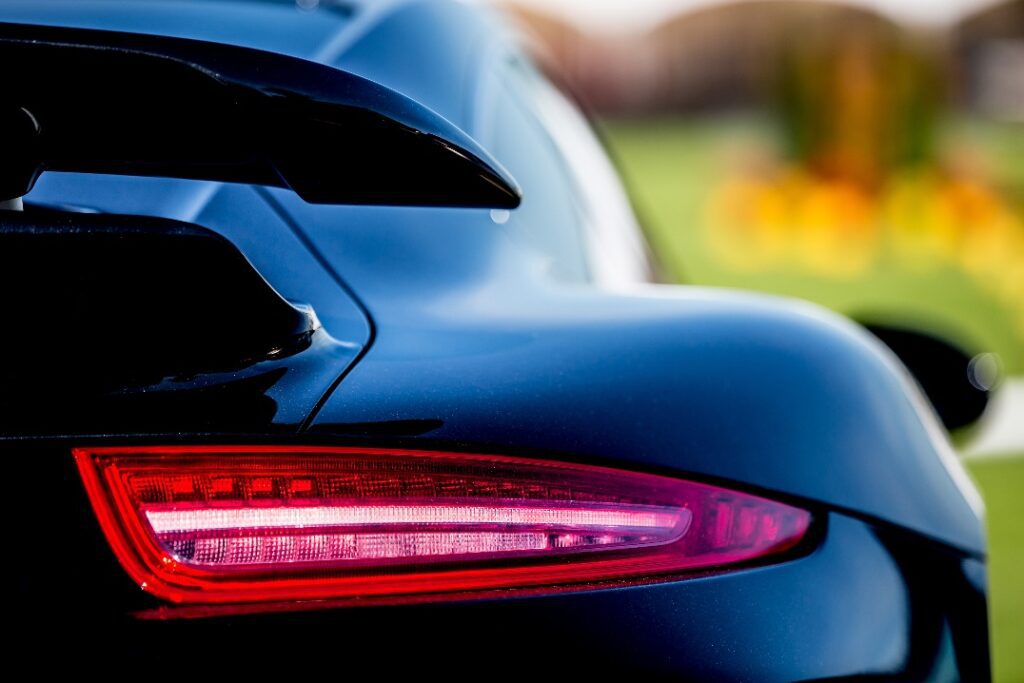
When it comes to speed and style, slipping behind the wheel of a sports car is hard to beat. The latest analysis from cap hpi looks at the total cost of ownership (TCO) to reveal the 10 sports cars with the lowest motoring costs over the first 3 years. Once all the servicing, fuel and other motoring costs are taken into account, which cars perform the best? The Audi TT Coupe 1.8FSI sports 2DR has the lowest total cost of ownership, starting from £17,184.21, followed by the Toyota GT86 Coupe at £17,504 and the Subaru BRZ Coupe at £18,136. Audi TT Coupe also has the lowest monthly running cost of £477.34, helping it secure the lowest TCO. Once again the Toyota GT86 and Subaru BRZ take second and third, respectively on monthly running costs.
Prepare your car for the summer getaway

In just a month or so the kids will be breaking up for the summer and all hell will break loose on the UK’s roads. The nation’s arteries will be clogged by cars loaded up with coolboxes and surfboards, while caravans and motorhomes will stretch into the distance as far as the eye can see. For most people the annual summer trip will go smoothly, but for a significant proportion things will start badly then just get worse – often because of a lack of preparation for the journey. Too many drivers assume they can load up their car and it’ll just keep working, but without some love and attention it could easily conk out at the worst possible moment. Cue screaming kids on the hard shoulder while you wait for hours in the blazing sunshine (or pouring rain) for the tow truck to arrive. The key, predictably, is to make sure that your car is properly serviced before you set off, which may mean booking it in now. The chances are that your garage of choice won’t have a slot for another week or two – or three. As such you’re already getting perilously close to holiday time. But what if there’s a problem and parts are needed, which aren’t available off the shelf? A month might seem like a lot of time to sort out a car service, but you might need all of that and more.
4 out of 5 used car buyers don’t ask if the car they are about to buy is a manufacturer recall

HPI Safety Recall Check protects consumers against buying a car with a fault or default In recent months, nearly 4 million vehicles worldwide have been recalled, with both Nissan and Vauxhall recalling faulty models; in 2015, car manufacturers issued more recalls than ever before*. However, a new survey from vehicle history check provider, HPI, reveals that 83% of respondents admitted it hadn’t occurred to them to ask the seller of the vehicle they now own, if the manufacturer had issued a recall notice against it. “With one in 10 unrepaired recalled vehicles still on the UK’s roads, and trading in the used car arena, safety must be paramount for buyers looking to invest in their next set of wheels,” explains Phillip Nothard, cap hpi consumer and retail editor. “However, the good news is manufacturers offer an unlimited time for repairs, meaning second and third owners can still get a recalled vehicle fixed free of charge.”
East Anglia revealed as the UK’s ‘stolen for sale’ car crime hot spot

HPI urges used car buyers to protect themselves from losing the car and the money they paid for it hpicheck.com Nearly 15,000 stolen cars being offered for sale were uncovered by vehicle history check expert, HPI, in 2015. The latest figures from HPI reveal that East Anglia and London were the two regions where the greatest number of stolen cars were discovered by buyers who conducted an HPI Check®. Scotland, North East England and Northern Ireland are where the least stolen cars were offered for sale. Within East Anglia, Norfolk and Suffolk harboured the most stolen vehicles for sale, with South West London and Middlesex, being London’s hotspots. Cambridge and Essex, both in East Anglia, also showed a higher propensity of stolen vehicles for sale than other areas across the UK. Interestingly, Cambridge did not appear as an area of concern in 2014, but replaces Avon in HPI’s 2015 analysis. “Consumers simply do not realise that if they unwittingly buy a stolen car that is later proven to be recorded as stolen with the police, they stand to lose both the car and their money,” says Philip Nothard, cap hpi consumer and retail editor. “Once a vehicle is revealed as stolen, it will be returned to its rightful owner, whether that’s the previous owner or the insurance company that paid out a claim on it, leaving the victim with no car and, potentially, thousands of pounds out of pocket.” HPI’s analysis of 76 areas across the UK (where the majority of vehicle history checks were conducted in 2015*) reports that Derbyshire, Leicestershire, Nottinghamshire, Midlands, Tyne & Wear, Belfast, Wiltshire and Devon had the least number of stolen cars advertised for sale. To help buyers radically reduce the risk of falling foul of car thieves, HPI offers four simple, but highly effective rules consumers should apply when buying privately.
How learner insurance works

When you’re learning to drive it’s essential that you get as much time behind the wheel as you can. You need to pack in those driving hours so you can experience as many scenarios as possible, so you know how to deal with them when you’re driving solo. The Driver and Vehicle Standards Agency (DVSA) sets the driving test. It reckons that the average learner driver needs 47 hours of professional tuition and another 20 hours of private practice to get through the driving test successfully. With a one-hour driving lesson typically costing £25, that’s £1175 you’ll need to budget just for professional tuition. If you don’t supplement this with some private practice you’ll probably have to find even more money for professional tuition before you’re ready to take your test.
Cheapest UK regions to buy a used car revealed
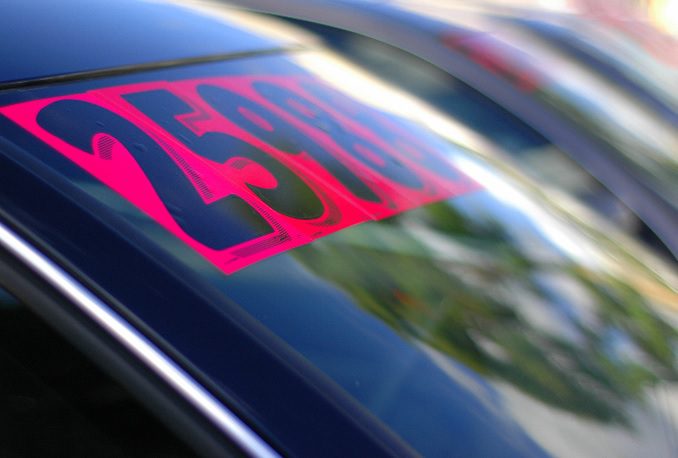
Big price variations for used vehicles across the UK are revealed in a new study from automotive data experts, cap hpi. The study shows that buyers could save over £1,600 on an Audi A1 by purchasing the vehicle in Nottingham rather than London. Commenting on the results, Philip Nothard, retail specialist at cap hpi said: “Many factors affect the pricing of a used car from the numbers available in the market to demand in the local area. Where demand outstrips supply, we see price increases. “There are a myriad of factors that mean different vehicles are cheaper in various parts of the country. The size of some of the variations is striking and it shows that it pays to do your homework before making a purchase.”
HPI reveals that 45% of first time used car buyers ask dad for advice

Father’s Day presents the perfect excuse to celebrate dads and thank them for all the worldly advice they have to offer, whether it’s wanted or not. However, when it comes to buying a first car, it would appear dads do really know best; 45% of people surveyed by vehicle history check expert, HPI, said they turn to their dad for buying advice. Philip Nothard, cap hpi consumer and retail editor says, “Turning to a friend (12%) was more common than asking mum; only 7% of those surveyed said they turn to their mothers for advice. Interestingly, men are more likely to ask their dads for car buying advice (55%), compared to women (35%). When it comes the best bit of advice their dad had given them*, almost a third (30%) of the total number of people we asked said it was ‘look after the pennies and the pounds will look after themselves’, and that pearl of wisdom had applied to shopping for a set of wheels.
70% of motorists confess to MoT renewal date confusion as a result of the changes to the tax disk system
cap hpi backs the RMI’s concerns that growing numbers of consumers are driving without an MoT cap hpi applauds the latest initiative by the Retail Motor Industry Federation (RMI), to address road safety concerns as a result of the DVLA’s introduction of a monthly direct debit to pay road tax. Whilst the move to help UK motorists spread motoring costs is greatly welcomed, research from cap hpi reveals that the new service is having a negative impact because people are failing to remember when their MoT test renewal is due, because this previously coincided with their road tax renewal.
How Personal Contract Plans (PCPs) work

There was a time when we’d buy our cars on hire purchase or with a loan, over a series of years, and once it was paid for we would probably start the process all over again. But nowadays, thanks to the rise of the Personal Contract Plan (PCP), we don’t even wait until we’ve paid for our car – we just hand it back after three years (or even less) and get a new one. It’s an attractive proposition for many. For a fixed monthly fee we can have a car that’s always covered by a warranty, never needs an MoT and might have all of the servicing taken care of too. What’s not to like? The simple answer is – more than you might expect. It’s like perpetually renting a home rather than buying one. You could view it as dead money or as a way of enjoying hassle-free car ownership. It’s not the cheapest option but only you can decide if it’s worth the cost.
How vehicle recalls work

Cars are incredibly complicated things made up of thousands of parts that all rely on each other. It takes just one of those components to be poorly designed or manufactured and everything can be thrown out of kilter. Yet somehow, most cars roll out of the factory and give years of use without the need for a manufacturer to intervene. That’s not always the case though, because when the process does go wrong, car makers sometimes have to recall their products to put right a design or manufacturing fault. Occasionally these recalls make the headlines, as Toyota’s did back in 2009/2010 and more recently Volkswagen’s emissions scandal resulted in a high-profile campaign to fix its cars. In both cases neither fault led to in any casualties in the UK – or even any accidents. Despite this, huge numbers of cars were recalled to implement fixes. Both of these examples illustrate a key feature of the recalls system; in most cases a car is recalled in case there’s a problem, not because there definitely is one. So if a manufacturer notices that several examples of one (or more) of its models are affected by the same potentially dangerous fault, it can recall them to fix things. One current high-profile case is Vauxhall, which has been forced to take action because its Zafiras have been found to have a habit of spontaneously combusting.