

New insurance write-off categories on the way
It’s always the same. Just when everyone has got used to something, along comes someone who just has to change things around so nobody knows what’s going on any more. The perfect example is the insurance write-off system; for years we’ve had category A, B, C and D write-offs, but that’s all set to end on 1 October. That’s because from this date, written-off cars will instead be categorised A, B, S and N. Thatcham is a safety and security testing facility (based in Thatcham, Berkshire) and in conjunction with the Institute of Automotive Engineers the new categories have been devised, in a bid to ensure that damaged cars are categorised correctly. Or to put it another way, the new scheme is being introduced to make sure that cars that are too badly damaged won’t be returned to the road.
How to check if your tyres are safe and legal
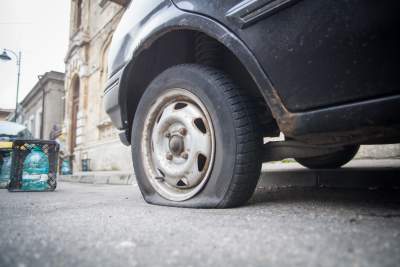
Uk motorists are pretty rubbish when it comes to doing their own simple checks to ensure their cars are in fine fettle. A few minutes spent each week can stave off big bills and potentially a big accident, but despite this we’re either too lazy or lacking in confidence to make the time.
What’s the coolest car for dads on the school run?
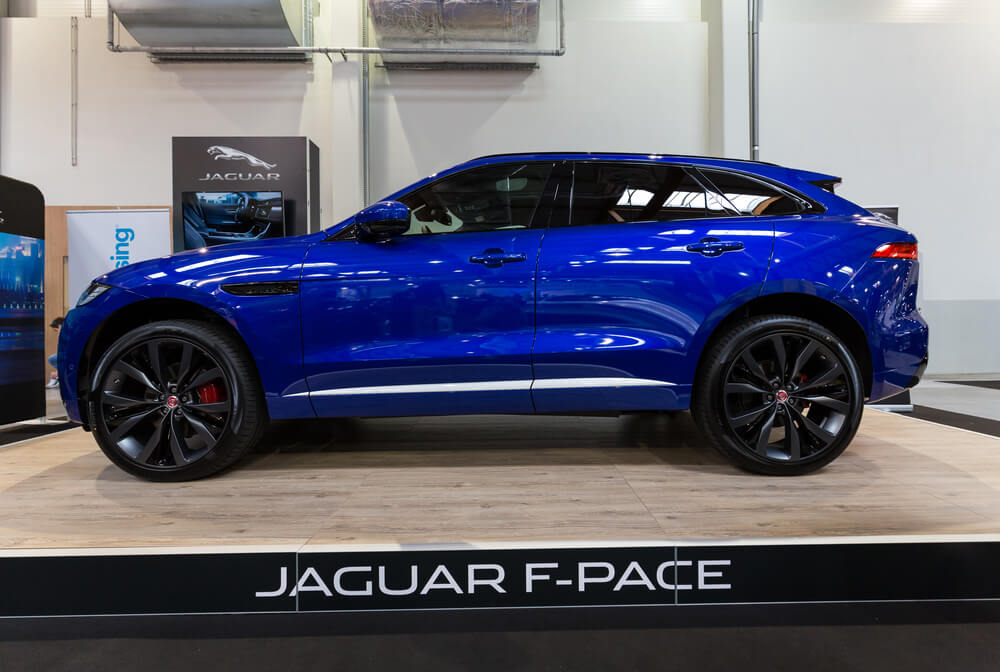
Automotive experts at hpi have revealed the Top five list of cars guaranteed to boost the ‘school gate cred’ of UK dads following a poll amongst its team of motoring editors. The poll comes ahead of Father’s Day (Sunday 18 June). James Dower, senior Black Book editor at hpi, said: “With Father’s Day this month we thought it would be fun to look at some of the makes and models of cars that can give the ultimate feeling of school gate cred. Our team of editors considered everything from top of the range supercars to one-off fantasy cars as seen in the movies such as the classic DeLorean from Back to the Future or Vin Diesel’s 1968 Dodge Charger featured in the latest Fast and the Furious movie. They eventually decided to keep it real by settling for more realistic vehicles that would really appeal to dads.” The Top 5 list of cars offering the greatest school gate cred is as follows:
10 great used convertibles for the summer
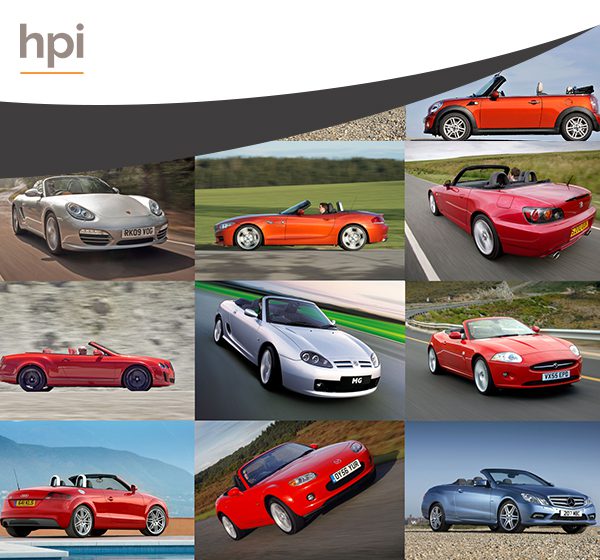
We love our convertibles here in the UK and the good news is that no matter what your budget, you can buy something open-topped to enjoy the wind in your hair. With the summer now here it’s the perfect time to splash out on a soft-top to enjoy the warm weather. Whether you’ve got just a few hundred quid to spend or tens of thousands, there’s something suitable. These are the drop-tops that we think you should be homing in on.
An introduction to electric cars
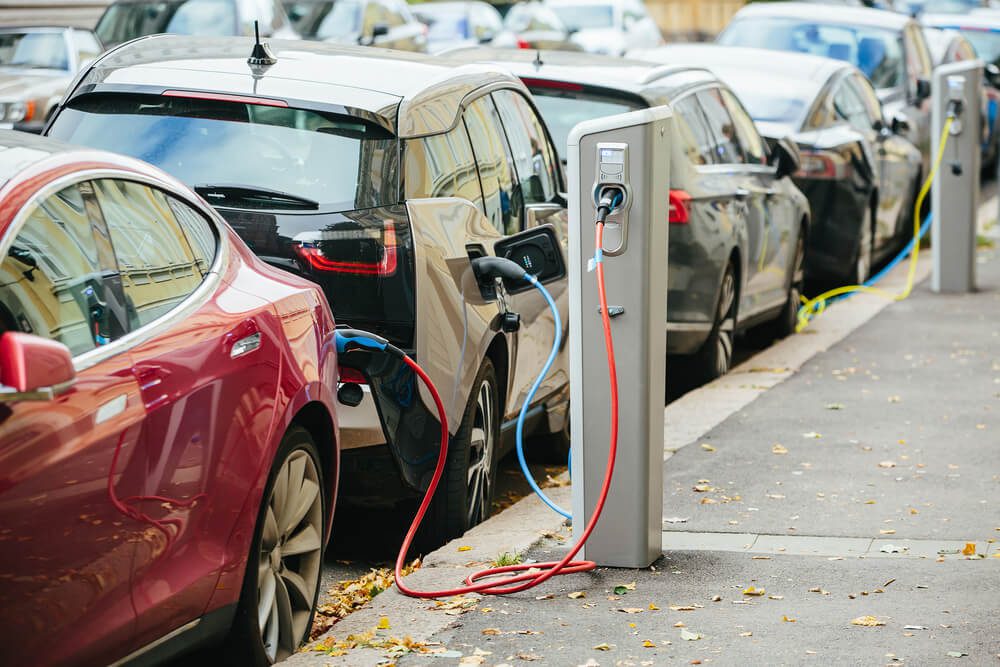
Once the car had been invented in 1885 by Karl Benz, it didn’t take long for a massive global industry to spring up, with thousands of tiny companies around the globe each building small numbers of cars. The thing is, while the internal combustion engine (ICE) was in its infancy at the turn of the last century, so was the widespread use of electricity. As a result, car buyers could choose between electric and ICE models – while there were also a few steam options. Many of the cars being built back in the late 1800s and early 1900s were powered by electricity, because while they took ages to charge and had a very limited range, they weren’t much less practical than a petrol-powered car. The latter had to be hand cranked to get them started and they were slow, noisy and unreliable once they were running. Electric cars could be started instantly and were much easier to drive as well as less anti-social as they were far quieter. At this point, most people were still relying on horses to get around and as a result few people travelled very far back then, but as the car evolved to become faster, more efficient and much more usable, the electric car got left behind. What effectively killed off the electric car in one fell swoop was the Ford Model T; it cost little more than a third of the electric alternative as it was mass produced.
Consumers in driving seat with new look one-stop hpi website

Car buyers and sellers are gearing up to receive convenience and peace of mind all in one place from automotive data experts hpi, following the relaunch of its new look website www.hpi.co.uk The customer friendly website provides one destination for motorists to find a complete vehicle history check, get free valuations and has an instant vehicle recall check feature. The site provides everything consumers need to know if in they are in the market for buying or selling a car. hpi.co.uk makes everything simple and intuitive for customers. And by providing key services on one easy to navigate site, motorists can find out about a vehicle’s past, how much it is worth and if there has been any manufacturer based design issues or safety faults associated with it.
How to be a safer motorbike rider
Summer is finally here and once again our roads are filling up with motorcyclists keen to make the most of the great weather. If you’re one of those motorcyclists you need to be seriously careful because according to government statistics, bikers make up 1% of the total traffic on UK roads, but account for over 20% of casualties. If you’re a rider you should be terrified by that stat. It’s no surprise though, because a bike has no side impact bars, crumple zones or airbags to save you when things go pear-shaped, which is why every time you ride you need to stick to a few simple rules. A minor error of judgment that a car driver might shrug off could prove fatal for a biker. According to official figures, the things most likely to cause a motorcyclist to come to grief are failing to negotiate bends on rural A-roads, collisions at junctions, collisions while overtaking and loss of control. The latter one is a bit of a catch-all as it could be because of poor positioning on a bend or riding too fast for the conditions. Either way, sticking to these simple rules could mean the difference between life and death.
Petrol or diesel?
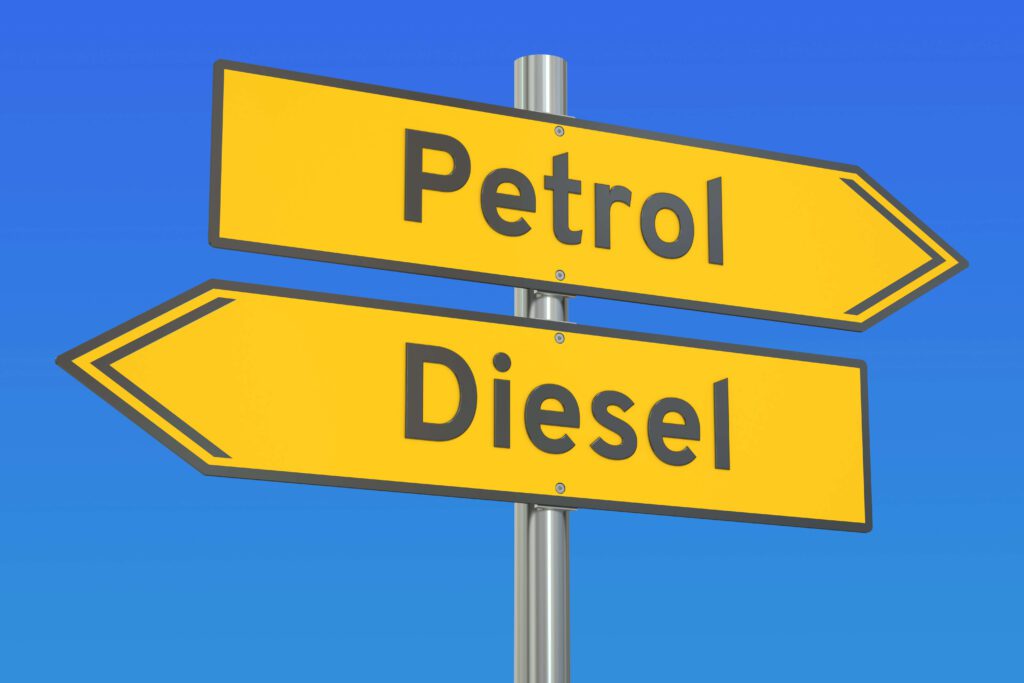
Open a newspaper or surf the web for just a short time and the chances are you’ll come across a news story about how diesel cars are killing us all, thanks to their heavily toxic emissions. It’s so unfair. After all, we were coerced into buying diesel-powered cars thanks to their low CO2 emissions and now we’re being told that those same cars are pariahs because they’re destroying our air quality. At this point it’s worth reading our blog on emissions standards for new cars, because if you believe everything you read in the media you’ll assume that diesel cars really are the work of the devil. The reality of course is that the latest models are incredibly clean – the problem is that there are millions of older cars out there being used every day, which are nothing like as clean. With the average lifespan for a car in the UK a little under 14 years, and with the latest rules having come into force less than a couple of years ago, it’s going to take a long time to rid our streets of the dirtiest motors. In a bid to speed up the process there’s talk of a diesel scrappage scheme being introduced, but how many people will be able to afford to throw away a car that may have years of faithful service left to give would remain to be seen.
Essential motorbiking kit

Spring has sprung and its arrival means our roads are full of motorcyclists, keen to enjoy the warmer, drier weather now it’s here. But while riding a bike gives you a sense of freedom that your car-driving compatriots can only dream about, it comes at a cost. Bikers are much more vulnerable; even a minor low-speed incident which a car driver would shrug off, can leave a biker seriously hurt. That’s why wearing suitable protective clothing every time you get on your bike is so important. Choosing what to wear when riding isn’t just about protection from injury – it’s also about comfort. The correct gear ensures you’re comfortable, warm and dry, helping you to fully enjoy your ride without distractions. Many items of protective wear also have reflective panels or strips, ensuring you stay highly visible at all times. Remember, don’t just go for the way the clothing or gear looks; it needs to perform too.
How to choose the right car

Superminis, city cars, hatchbacks, saloons, coupés and convertibles, all from a huge range of manufacturers. Petrols, diesels and hybrids, manual transmissions and autos. Just how do you home in on the car that’ll best fit your needs and budget when the choice is so overwhelming? The answer is to research any potential purchase thoroughly, and here’s how.