

Hybrid cars explained
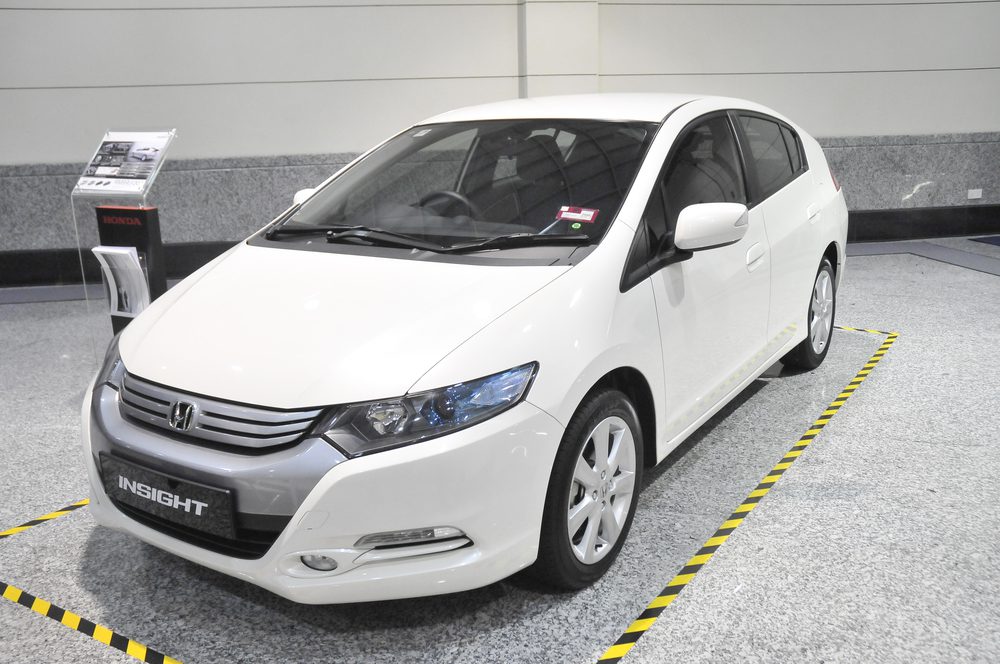
OK, here’s your starter for 10: what was the first hybrid car to go on sale in the UK? It was the Toyota Prius, wasn’t it? Of course it was; this was the car that all around the world went on to become synonymous with hybrid technology. Except the Prius wasn’t the first hybrid to be sold in the UK; it was actually the original Honda Insight, now forgotten thanks to less than 200 having been sold here. Meanwhile the second-generation Insight has come and gone and the Prius continues to sell in huge numbers, now in fourth-generation form. However, the Prius was the first hybrid to go on sale in its native Japan, more than two years before the Honda arrived. Toyota had realised that conventional petrol and diesel-powered cars are just too inefficient; too much energy is lost in everyday driving, leading to poor fuel economy. What Toyota did by inventing the first practical, usable hybrid, was to come up with a way of reducing the amount of energy wasted through driving – or more specifically, a way of capturing the energy that would otherwise be lost every time the car slows down. To understand the point of a hybrid, a short physics lesson is needed – but we’ll keep it simple. The key point at the heart of the hybrid is that you can’t create or destroy energy, you can only convert it from one form to another. Some of the different types of energy include light, heat and motion, with the last one known as kinetic energy. In a conventional car an engine generates lots of heat and the rest (the minority) is converted into kinetic energy by getting the car up to speed. Every time the car is braked, kinetic energy is converted into heat and that energy then disappears into the atmosphere. What a hybrid car does, is to convert that kinetic energy into electricity which is then stored in a battery pack; it does this through a regenerative braking system. So to summarise, a car uses a petrol or diesel engine to burn fuel which then produces the power to produce forward motion. It’s just the same in a hybrid, but when you slow down a battery pack is topped up with electricity from the regenerative brakes. At low speeds the batteries power an electric motor which allows the car to be an electric vehicle at low speeds and for short distances. Then as the speed and distance increase, to save the batteries being depleted too quickly, the engine cuts in to drive the car conventionally.
Britain’s Worst Drives
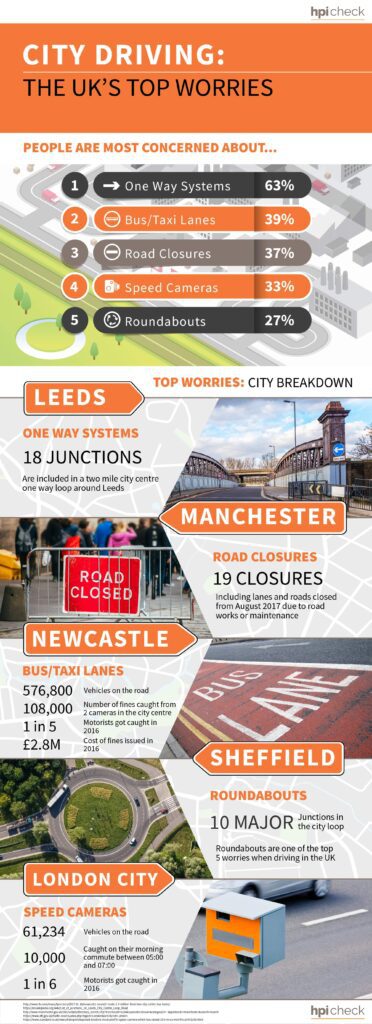
Everyone has their own driving dreads, whether it’s something that affects them on the daily commute or just worries they have when driving in an unknown area. Being caught by speed cameras, stuck behind cyclists and confusing one-way systems are just some of them. These aspects make up some of Britain’s worst drives, but at HPI Check we wanted to know what some of the worst ones really are. We conducted research to discover what the most common driving worries are and where worst drives in the UK are situated.
Speeding fines explained
In April of this year the Government introduced a new set of guidelines for tackling speeding offences in England and Wales. This passed many people by, and of those who do know about the changes, many are confused by how the new system works. So here at hpi we’re going to spell it all out for you, in our usual public-spirited way. The first thing you need to know is that the tougher penalties apply only to drivers who go a bit crazy behind the wheel and exceed the speed limit by a big margin. So if you stray just a few miles an hour over the limit, nothing has changed. You’ll probably still be offered a speed awareness course if you’re caught under the threshold and you haven’t already taken part in one within the last three years. If you’re not offered a course you’ll be handed a fixed penalty which means your wallet will be £100 lighter and you’ll get three points on your license. The camera partnerships that set up fixed and mobile cameras around the UK are funded by these speed awareness courses so they’re very keen for you to choose that option; elect to pay a fine and take the points instead, and your cash goes straight to the Treasury, thus reducing the partnership’s income by a typical £35. No wonder they want you to do the course instead. For a full run down of the new sentencing guidelines it’s all spelled out on the Sentencing Council website, while there is more general information about speeding penalties on the official government website.
10 things you should know about electric cars
Have you ever considered buying an electric car? Here are 10 facts which may help with your decision. If you have any other questions, let us know!
How black box insurance works

Young drivers have a habit of crashing cars, sometimes through inexperience and often through bravado – and frequently because of the two combined. Not all young drivers behave so recklessly of course, but until relatively recently, insurance companies could only go by statistics, so they’ve long struggled to treat drivers as individuals. Not any more, as modern technology allows insurers to monitor how their customers drive, to see just how safe (or otherwise) they are. Thanks to the use of telematics, or black box technology, young drivers can now prove to their insurer they’re not a liability.
Motorcycling: the 10 biggest hazards and how to deal with them

It might be the end of July but you wouldn’t know it. High winds and heavy rain are making it feel more like winter on the road, so as a motorcyclist you’ve really got to have your wits about you if you’re keen to stay in one piece. Even in perfect conditions you can be very vulnerable on a motorbike but in poor weather the risks are that much greater. Knowing what hazards are out there will give you a much better chance of avoiding them, so here are the top 10 Tarmac terrors to watch out for.
The ongoing diesel debate – what are the facts?

The diesel engine has come in for a great deal of negativity of late – and a lot of this is not just completely unjustified but is also factually inaccurate. So what exactly do motorists and particularly diesel vehicle drivers need to be aware of?
Where is the Most Expensive City to Park in the UK?
Every car owner and dweller will know that finding suitable parking in the centre of any UK metropolis can be a nightmare, with the charges sometimes high enough to break the bank! Well, here at HPI Check, we’ve done some research into the UK cities with the most expensive bays and found an easy way for you to put the brakes on pricey city parking! Here’s how we did it and what we found out… Methodology First off, we needed to pick the locations we wanted to focus the research on, we opted for: London, Manchester, Cardiff, Leeds, Glasgow, Liverpool, Sheffield, Newcastle and Sunderland. We then needed to determine the questions we wanted to answer through our research, we decided on the following: How much is parking for one hour in the location? What is this cost on average for a working day? (based on a typical working day of 9-5) On average, how much does the above cost when a person is parking for a week (Mon-Fri), and a month? Does the above change if a person parks slightly outside of a city centre, and, if so, how much different is this?
10 great first cars
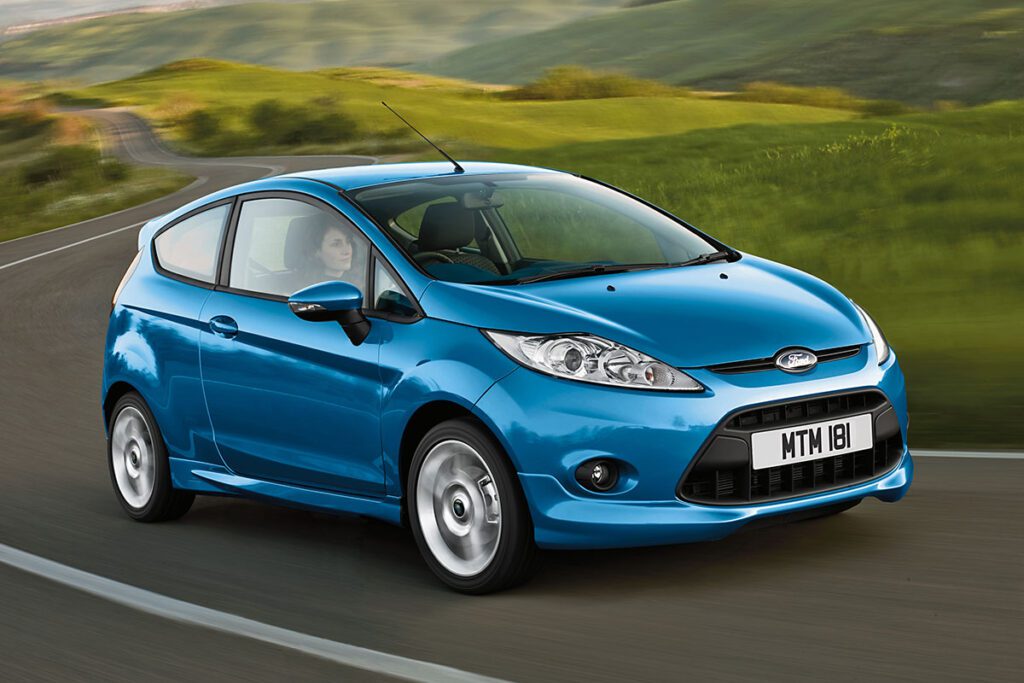
Few purchases are as exciting as your first car, which provides a ticket to independence like you’ve never enjoyed before. Last year we published a guide on the key things to consider when buying your first car – once you’ve read and digested that, these are the models that should be on your shortlist.
Autonomous cars – the latest
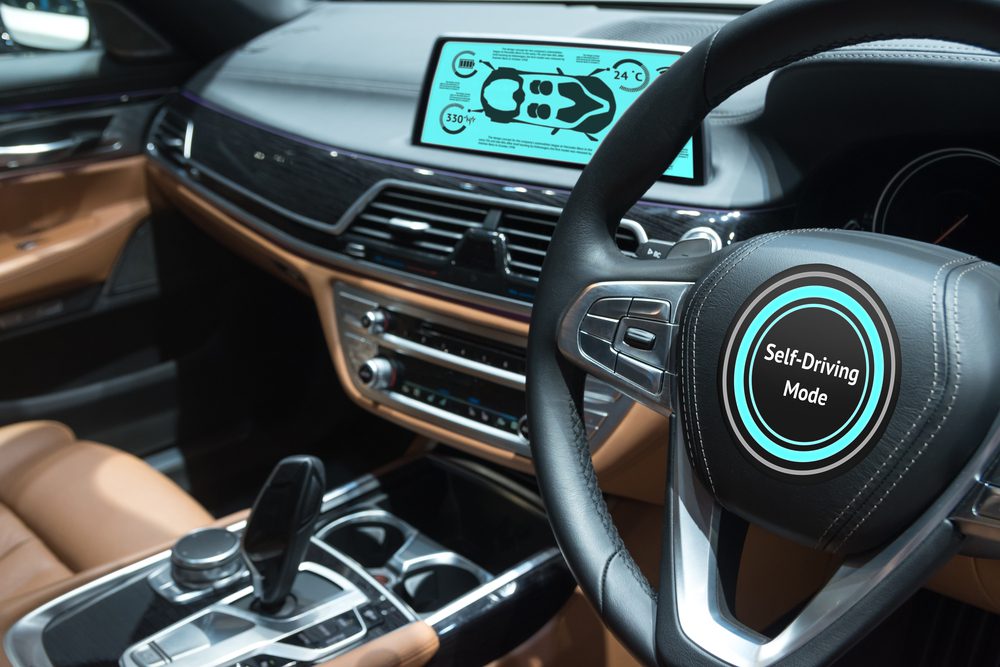
For decades, the idea of a car that could drive itself was the stuff of science fiction. As early as the 1930s US giant General Motors created a vision for a self-driving car. But in a world devoid of computers there was never any prospect of this becoming a reality; that early concept relied on smart roads for guidance – another non-existent technology at the time. Fast forward eight decades and we still don’t have self-driving cars, or autonomous vehicles (AVs) as they’re now known. There’s plenty of talk about them though; the latest UK-based trials were announced only recently, but when will we be able to buy a self-driving car? Unfortunately nobody can say with any certainty, as there’s great debate over the likely timescales. Also, because they’ll cost lots to build, when they do arrive AVs will probably be available to lease only, rather than as an outright purchase.