

Car Clocking
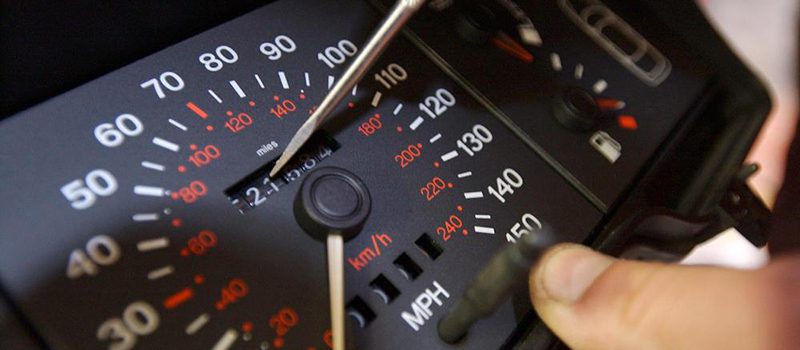
When buying a used car, you want to trust that what you’re paying for is what you’ll get. Unfortunately, some sellers use deceptive tactics like car clocking – tampering with a car’s odometer to lower the displayed mileage. A lower mileage makes the car seem newer and more reliable than it really is, allowing the seller to demand a higher price. Let’s break down how to spot car clocking, what to do if you encounter it and how to protect yourself in the future. What is car clocking? Car clocking involves altering the mileage on an odometer to make it appear as if the vehicle has been driven less. Sellers do this to increase a car’s value, as lower mileage typically bumps prices up in the second-hand market. Car clocking is not only dishonest – it’s illegal. A clocked car can hide years of wear and tear. For instance, components like the engine, suspension and brakes may have far more use than the displayed mileage suggests. This can lead to costly repairs or, worse, safety risks on the road. Our data suggests that one in 11 vehicles on the road in the UK has a mileage discrepancy – and we believe this issue is getting worse, costing motorists over £800 million a year. Risks of buying a clocked car The risks of buying a clocked car go beyond overpaying. Hidden mileage can mean you’re driving a car with undiagnosed mechanical problems, which could lead to costly repairs down the line. Worse, the car could be unsafe due to neglected maintenance, putting you and your passengers at risk. Additionally, if you knowingly – or unknowingly – sell a clocked car in the future, you could face legal trouble. It’s better to avoid this situation entirely by taking the proper steps before you buy. How can you tell if a car has been clocked? Spotting car clocking isn’t always straightforward but there are some warning signs you can look out for. ·Wear and tear: Look at the car’s pedals, steering wheel and seats. Do these parts show wear that doesn’t match the mileage? For example, a car showing 20,000 miles shouldn’t have a noticeably worn driver’s seat or scuffed pedals. ·Service records and MOT history: Compare the recorded mileage in the car’s service book or MOT history to the odometer reading. Use our free MOT history check to find recorded mileages, MOT results and more. Sudden drops or irregularities in the mileage suggest all is not as it should be. ·Odometer tampering: In modern cars with digital odometers, tampering can be harder to detect. However, any signs of the dashboard being removed or tampered with could indicate mileage adjustment. ·Use hpi check®: The most reliable way to confirm a car’s mileage is by running a vehicle history check. hpi check® provides a detailed report on a car’s mileage, outstanding finance, previous damage and more. It’s an essential step before buying a used car. How to avoid car clocking scams The best way to protect yourself from buying a clocked car is to take preventative measures. 1. Buy from reputable dealers: Professional dealerships are unlikely to sell clocked cars because they have reputations to uphold. Avoid cash-only deals and sellers who refuse to provide documentation. 2. Inspect the car thoroughly: Pay attention to signs of wear and tear that don’t match the mileage. Take your time during the inspection and bring someone you trust with you for a second opinion. 3. Verify all paperwork: Cross-check the V5C logbook, service records and MOT history. Look for consistent mileage records and avoid cars with missing documents. 4. Always perform an hpi check®: It’s a small investment compared to the potential loss of buying a clocked car. Our detailed reports reveal the vehicle’s full history, including mileage anomalies, outstanding finance and whether it’s been written off. If you think a car you’re considering buying might be clocked, politely but directly ask the seller about any mileage discrepancies. Genuine sellers will often have an explanation, such as repairs or replacements that didn’t get recorded. If you confirm clocking and the seller can’t provide a valid explanation, report them to Trading Standards. Clocking is illegal and sellers should face the consequences. If you confirm clocking and the seller can’t provide a valid explanation, report them to Trading Standards. Clocking is illegal and sellers should face the consequences. What to do if your mileage has been clocked? It can be distressing if you discover your car’s mileage has been clocked but it’s important to take immediate steps to put things right. Start by having the car inspected by a trusted mechanic to assess its actual condition and safety. Avoid using it if you think it may be dangerous. Gather all relevant documentation, including service records, MOT history and an hpi check® to confirm the discrepancy. Then contact the seller and request an explanation or compensation. If they refuse, report the issue to Trading Standards or the police. How to know if a car has been clocked with hpi check® Car clocking is a serious issue that can cost you money, compromise your safety and cause legal headaches. But we make it easy to avoid falling victim to this scam. A mileage discrepancy check is provided with every hpi check® report, using data from the National Mileage Register, which contains over 369 million readings. It’s the quickest and most reliable way to protect your investment and ensure peace of mind. For more information on beating vehicle scams and other automotive tips, check out our knowledge hub.
3 Online car buying scams to avoid

Buying a used car online can be an exciting and cost-effective way to find your next vehicle. However, it’s also a marketplace rife with fraud and scams that can turn your purchase into a nightmare. Knowledge is power, and with the right information and precautions, you can steer clear of the risks and make your next car-buying experience safe and secure. To that end, keep reading to learn about some of the most common online car scams and how you can safeguard against them. 1. Fake car ads Beware of fraudulent ads where scammers advertise cars they don’t own at irresistible prices. Found on social media platforms and online marketplaces, these ads typically look convincing, featuring photos of genuine vehicles that match the car’s description. They can even provide contact details to make the ad seem more convincing. Some online scammers even go so far as to set up fake websites, often using names similar to those of well-known dealership brands to appear more credible. The websites are populated with cheap car deals to trick buyers into thinking they’ve snagged a bargain. As with standalone fake car ads, the photos and information are from real cars for sale elsewhere. Fraudsters go to great lengths to deceive buyers, often make excuses for why you can’t collect the car in person and promise instead to deliver it once you’ve put down a deposit or paid in full. But once you’ve paid, the delivery never happens, and they become uncontactable. How to protect yourself: To avoid falling victim to this type of online auto vehicle fraud, investigate before going ahead with any deal – especially if it seems too good to be true. Request key details about the car, such as the Vehicle Identification Number (VIN). If a private seller refuses to provide information, let you inspect the vehicle or meet in person, it’s a clear red flag – walk away immediately. 2. Dealers posing as private sellers Some dishonest dealers disguise themselves as private sellers to try and sidestep their legal responsibilities. By law, a dealer is required to inform you about any faults with a car. In terms of buyer protection, the Consumer Rights Act 2015 covers the buyer if the car develops a serious fault within the first 30 days. You’re legally entitled to return the vehicle and get a full refund. However, these buyers’ rights do not apply to private sellers or cars bought from auction. If you unknowingly purchase a car from a disguised dealer and encounter issues, the legal protections for private sales differ significantly from those for dealer sales, meaning you might not have the same level of recourse. Falling victim to this form of car buying fraud could leave you stuck with a faulty car and no immediate recourse to financial recompense, facing the stress of repairs or the prospect of a lengthy legal dispute to seek a refund. How to protect yourself: One common tactic of unscrupulous dealers is arranging to meet in neutral locations, like supermarket car parks. So, if a seller refuses to let you view the car at their residence, this should raise a red flag. A trick you can use to expose disguised dealers is to say, “I’m calling about the car for sale” when contacting a seller about a car. A genuine private seller is unlikely to ask, “Which one?”, whereas a dealer might. While getting a vehicle history check can’t reveal whether a seller is actually a dealer, it can give you detailed information on the car’s history that helps you identify inconsistencies. 3. Fake mileage scams Cars with lower mileages fetch a higher price, so some scammers sell ‘clocked’ cars online for more money than they’re worth. Clocking a car means altering its odometer to display a lower mileage than the vehicle has covered. In the past, this required physical tampering, but it’s possible to clock modern cars with a computer. The consequences of falling for a fake mileage scam aren’t just about money. Clocking can conceal serious mechanical issues that come with high mileage, which might not become apparent until after you’ve bought the car. Often, the car’s warning lights are switched off in the process, keeping you even more in the dark. How to protect yourself: The best way to guard against fake mileage scams online is to check a car’s MOT history or purchase a full vehicle history check.You can also restrict your car hunt to reputable dealers who are unlikely to ruin their reputations to try and earn a bit more cash. It’s important to note that clocking itself isn’t illegal, but selling a car without declaring its true mileage is against the law. If you think you’ve bought a clocked car, contact Citizen’s Advice for help. Protect yourself from online car scams with an hpi check® Car buying fraud comes in many forms, from fake ads to clocked mileage. An hpi check® is your one-stop defence against all these schemes, backed by more than 85 years of experience and a £30,000 guarantee. By providing key details like the Vehicle Identification Number (VIN), MOT records and service histories, it arms you with the knowledge you need to separate fact from fiction. Check out our knowledge hub for more expert advice on fighting fraud and other topics.
Vehicle cloning scammers: What you need to know to stay safe

Cloned vehicles can put unsuspecting motorists at risk of financial loss and legal trouble as well as posing significant potential danger on the roads. Criminals might clone cars to disguise stolen or damaged vehicles or to evade automated number plate recognition (ANPR) systems and avoid penalties for offences like speeding or parking fines. Understanding how cloning works and how to protect yourself can save you from serious problems. What is vehicle cloning and how does it work? Vehicle cloning involves creating a fraudulent identity for a car by using the registration details of a legitimate vehicle of the same make, model and colour. Criminals often use stolen or fake number plates to disguise stolen cars or other vehicles with a dubious history. A key issue in this area is the ease of acquiring ‘show plates’ – number plates legally sold online without requiring proof of ownership. These plates, often costing as little as £20, are meant for decorative purposes but can be misused for fraudulent activities. Without the need for tax discs to display registration numbers, it has become easier for criminals to attach cloned plates to stolen vehicles and avoid detection by ANPR systems. This can lead to innocent people receiving fines or even having their legitimate vehicles confiscated if cloned vehicles are used in crimes. More sophisticated methods of cloning vehicles involve tampering with the vehicle identification number (VIN). This 17-digit code can be found somewhere on the bodywork of most vehicles in the world and is unique to the individual vehicle it should be found on. Criminals may tamper with a vehicle’s VIN in an attempt to pass it off as a different one and profit on a motor that may have been stolen or previously badly damaged in an accident. How can a cloned vehicle affect me? Buying a cloned car or having your vehicle cloned can cause significant financial and legal issues. 1. Loss of money and vehicle: If the police discover a car is cloned, it will likely be seized and returned to its rightful owner or an insurance company if a claim has been made against it. You could very easily lose both the vehicle and the money you paid for it. 2. Fines and penalties: Cloned cars often rack up parking tickets, speeding fines and congestion charges, which are wrongly assigned to the innocent owners of the original vehicle. 3. Safety concerns: A cloned car may have other hidden dangers, such as being previously written off after an accident or having falsified mileage. These issues can pose serious risks to you and other road users. How to spot a cloned vehicle Conduct thorough checks when buying a second-hand car to avoid falling victim to a vehicle cloning scam. · Run a stolen car check: Use hpi check® to confirm the registration number, engine number and VIN match the records held by the DVLA. Any discrepancies could indicate the car is cloned. · Inspect the V5C logbook: Ensure the vehicle’s logbook is genuine by holding it up to the light to check for official DVL watermarks. Missing watermarks could mean the document is forged. Also, make sure that the details you’ve been given match what’s in the logbook. · Check VIN/chassis numbers: Examine all visible VIN or chassis numbers on the car to ensure they match the logbook and each other. Check for signs of scuffing or tampering around the VIN. If it is clean, but surrounding areas are dirty, this is a major red flag. · Visit the registered address: Always view the car at the address shown on the V5C logbook. Criminals often avoid this step to conceal their identity. Asking to meet in a different location is another cause for alarm bells. · Low prices and cash payments: Be wary of cars priced well below market value. If the price seems too good to be true, it probably is. If the seller asks for a cash payment, insist on a secure method. Card payments and bank transfers can be tracked if the worst happens. Cash leaves no trace and makes it easier for criminals to disappear with your money. What should I do if I suspect a scam? If something doesn’t feel right during the buying process, trust your instincts. Common red flags include: · Sellers refusing to let you inspect documents closely. · Inconsistent details about the vehicle’s history. · Pressuring you to make a quick purchase or pay in cash. If you have any doubts, walk away. It’s better to lose out on a car than risk losing your money or facing legal troubles. What can I do if I have a cloned vehicle? It can be distressing to find out you’ve fallen into a vehicle-cloning scam – especially if the first you hear of it involves the police. If your car has been cloned and you’ve received notices for speeding or parking fines, contact the police. Your registration number will be logged in a police database while they investigate what has happened. This might mean that you are stopped more frequently when driving as officers have no way of telling which car using your registration number is genuine. Buying a cloned car might mean that police or insurance companies repossess a vehicle that you thought was genuine. You will have little recourse to keep a vehicle that wasn’t rightfully yours or the seller’s. Getting your money back may depend on the method of payment you used and your appetite to pursue legal action against the seller. Beat vehicle cloning scams with hpi check® A reliable way to safeguard yourself from vehicle cloning scams is by using hpi check® before buying any second-hand car. In seconds, you can: · Verify that the car isn’t stolen or cloned. · Check for outstanding finance, falsified mileage or a history of write-offs. · Confirm that the car’s registration, VIN and engine number match DVLA records. An hpi check® also includes a £30,000 guarantee, offering financial protection if you inadvertently buy
5 Ways the Auto Industry is Going Green

On today’s roads, many of the vehicles you see are a testament to carmakers’ commitment to using greener practices to reshape the future of mobility. From eco-friendly cars revolutionising your commute to factories powered by renewable energy, find out about five key green automotive trends driving change for the planet and you as a driver. 1. Driving Forward with Electric Vehicles Electric vehicles (EVs) are leading the charge in automotive sustainability. These sleek, quiet and eco-friendly cars are transforming the way we think about driving. Leading manufacturers are investing heavily in EV development, making them a common sight on UK roads. For instance, Nissan invested £1.12 billion to make all three models made at its Sunderland plant 100% electric. EVs are redefining the driving experience, letting users enjoy smoother, quieter journeys and lower running costs – and they’ll only get more eco-friendly as the UK’s electricity grid gets greener. With the UK Government’s pledge to install a minimum of 300,000 public chargers by 2030, owning an EV is set to become ever more practical. 2. Boosting Fuel Economy While EVs dominate headlines, traditional petrol and diesel engines are becoming greener, too, thanks to innovations in technology. For example, Ford’s EcoBoost engines use direct injection to deliver outstanding fuel economy. They inject a precise, highly pressurised dose of fuel directly into the combustion chamber, optimising fuel usage. If you drive a more traditional vehicle, technological advancements like this can save you money at the pump and reduce your carbon footprint. In this way, even if you’re not ready to switch to an EV, you can still benefit from a more sustainable car. 3. Embracing the Circular Economy The auto industry is going beyond reducing emissions by completely rethinking how cars are built and recycled. Many automakers are changing the game by designing vehicles for reuse and recycling from day one. With this approach, cars become part of a continuous cycle, in which old vehicles give life to new ones. Renault’s Refactory in Flins, France exemplifies this approach. By refurbishing used car parts, recycling materials and repurposing EV batteries, it’s reducing waste and championing a more sustainable car economy. As a car owner, circular economy practices mean potentially lower costs for replacement parts and the satisfaction of knowing your vehicle’s lifecycle contributes to a cleaner, more sustainable world. 4. Innovating with Sustainable Materials Step inside a modern car and you might be surrounded by innovation you can’t even see. Automakers are turning to recycled and bio-based materials to design eco-friendly cars without compromising on quality. Ford, for example, recycles plastic bottles to produce underbody shields, while Volkswagen uses 10% collected marine debris and 90% recycled polyethylene yarn for seat covers in its ID. models. By choosing a car made with innovative materials like these, you can support cleaner oceans, reduced waste and a greener, more sustainable future. 5. Powering Factories with Renewable Energy The auto industry’s sustainability advancements aren’t limited to cars themselves; these changes are also taking place in the factories where they’re made. More manufacturers are turning to renewable energy, slashing the carbon footprint of vehicle production. To illustrate this, BMW’s Leipzig plant runs largely on its four wind turbines, powering the production of thousands of vehicles daily, whereas Toyota’s UK engine plant in Deeside harnesses solar energy with over 13,000 solar panels. This commitment to clean energy ensures the cars you buy have a smaller environmental impact from the get-go, demonstrating how the vehicle industry is going green beyond the road. Get an HPI Check® to Go Green With Confidence Whether you’re making the switch to a second-hand electric vehicle or looking for a more sustainable used petrol or diesel car, knowing a vehicle’s history is essential. With an HPI Check®, you can drive with complete confidence, armed with the most reliable data in the industry. Protect yourself from hidden histories, motoring scams and fraud with a service backed by more than 85 years of expertise and a £30,000 guarantee. Check out our knowledge hub for more insights into how the auto industry is going green.
Should I buy an electric car?

Switching to an EV (electric vehicle) is a decision more and more people in the UK are considering. There were almost 1.4 million fully electric cars on British roads at the end of 2024, a year in which EVs made up one in five of all new vehicles sold. You might be interested in EVs due to growing concerns about the environment, rising fuel costs or simply because new tech is your thing. This blog will guide you through the benefits, practical considerations and whether now is the right time to switch to an EV. What are the benefits of electric cars? Cost savings Saving money on running costs is a significant EV car advantage. Charging an EV could be over 80% cheaper than filling up a tank with petrol or diesel. Maintenance costs are also lower. EVs have fewer moving parts than internal combustion engines, which means fewer things that wear down and need replacing. You won’t need to replace items like timing belts or deal with oil changes. These savings can soon add up. Environmental impact Fully electric cars produce zero tailpipe emissions, while hybrid cars also greatly reduce your emissions – especially if you live in urban areas, where the electric motor will be mostly in use. Even better, if you charge your car using renewable energy at home, you can drive knowing you’re contributing to a greener future. Government incentives Financial benefits associated with EV ownership have come and gone in recent years as the UK political scene has shifted. You no longer receive a grant towards the purchase price of EVs, while fully electric cars will be subject to road tax for the first time in 2025 – albeit at a reduced rate. EV drivers do benefit from lower company car tax rates and exemptions from congestion and low-emission zone charges. What are the advantages of switching to an EV now? Switching to an EV now could save you money and help you stay ahead of upcoming regulations. The UK plans to ban the sale of new petrol and diesel cars by 2030. While this might seem far off, buying an EV now allows you to get familiar with the technology and make the most of early adoption benefits, like any remaining government grants and incentives. The infrastructure for EVs is also improving rapidly. Charging stations are becoming more common and manufacturers are releasing more affordable and efficient models each year. By switching now, you’ll join a growing group of drivers enjoying the convenience and savings of electric vehicles. Is an EV right for you? EVs are good for the planet and the en-vogue choice among motorists. But is one right for you? Here are some things to consider: Charging infrastructure: If you have a driveway or garage, a home charging point makes refuelling convenient and cost-effective. On average, a home charger costs around £1,000 to have installed. Some households may be able to access a government grant to help with installation. If you rely on public charging points, check the availability of stations in your area. Driving habits: Consider how far you typically drive each day. Most modern electric cars have ranges between 150 and 300 miles on a full charge, which is more than enough for commuting and errands. However, you’ll have to plan how you’ll manage charging stops if you frequently travel long distances. Driving style: Driving an EV is noticeably different to getting behind the wheel of a manual petrol or diesel car. Considerably swifter acceleration is just one factor to consider. The lack of engine noise is another thing that can take time to adjust to. Test-driving several electric models is highly recommended before jumping into a purchase. Initial cost: Electric cars are typically more expensive upfront than similar petrol or diesel models. However, when you factor in the savings on fuel, tax and maintenance, the total cost of ownership often becomes comparable – or even cheaper – over time. There is a growing market for used EVs now that these cars have been on the road for some time, which can cut your upfront costs. Naturally, buying a used EV comes with the same considerations and precautions as any second-hand vehicle. Switch to EV in confidence with hpi check® Buying a used car can make switching to an EV more accessible. But buying any used car comes with an element of risk if you don’t know about the vehicle’s past. Luckily, hpi check® makes it simple to verify your car’s history, whether it’s petrol-powered or an EV. We’re backed by more than eight decades of experience and a £30,000 data guarantee, so you can make sure an EV hasn’t been stolen, written off or isn’t subject to outstanding finance before purchasing and drive away in confidence. Want more motoring tips? Check out our knowledge hub to stay ahead of the curve.
5 Eco-Friendly Driving Tips to Save Fuel and Reduce Emissions

With climate concerns becoming more urgent and fuel prices jumping around in recent years, it’s natural to look at how to save fuel and reduce your impact. While the car you choose is important, how you drive plays a big role in fuel consumption and the emissions you produce. By adopting a few simple green driving habits, you can drive more efficiently, reduce car emissions and even make your journeys more pleasant. Below, we explore five fuel-saving changes you can start making today. 1. Drive smoothly To drive efficiently and reduce fuel consumption, it’s essential to adopt proactive, eco-friendly driving habits. Begin by reading the road ahead to anticipate changes in traffic conditions. By doing so, you can avoid unnecessary braking and save fuel. Maintaining a larger distance between your vehicle and the one in front gives you more time to adjust your speed smoothly, minimising the need for harsh braking. When approaching traffic lights or a queue, slow down early and aim to keep your vehicle moving. You might even avoid coming to a complete stop, which helps preserve fuel. As you slow down, lift your foot off the accelerator as early as possible but remain in gear to maximise fuel efficiency. When accelerating, do so gently, as sudden bursts of speed demand significantly more fuel. Constant stopping and starting takes a toll on your fuel economy, so adopting these habits ensures a smoother and more cost-effective drive. 2. Use the right gear Driving at high revs increases fuel consumption, so shifting gears at the right time can help you make the most of your fuel and reduce car emissions. Once you’ve built up speed, use the highest gear possible, provided it doesn’t cause the engine to labour. Move up gears as you speed up, ideally when you reach around 2,500 rpm in a petrol engine or 2,000 rpm in a diesel. If you drive a car made since 2014, it should have a gear shift indicator you can use to help you use the most efficient gear. It’s important to note that higher gears provide less power for acceleration so, if you need to pick up speed quickly, you may need to drop down a gear temporarily. However, once you’re already driving at a high speed, the momentum you’ve built up should be enough to sustain your car’s progress without additional strain on the engine. 3. Maintain your vehicle To ensure your car remains in optimal condition and operates efficiently, it’s necessary to get it serviced regularly. Regular servicing guarantees that all parts are functioning properly and perform at their best. Additionally, ensure you always use the right specification of engine oil. This simple but crucial step supports your engine’s efficiency, ensuring it contributes to fuel saving over time. Another key step is to check your tyre pressure at least once a month and before any long journeys. When tyres are under-inflated, they roll along the road less efficiently, increasing fuel consumption and potentially compromising safety. 4. Lighten the load The heavier your car, the more fuel is needed to put it into motion, so reducing the weight your car carries is a simple way to practise green driving. Start by clearing out unnecessary items from your boot or back seats. Even small amounts of weight, like unused tools or sports gear, can make a difference. Roof racks, boxes and bars are another source of inefficiency, as they add both extra weight and increase drag, particularly at higher speeds. If you’re not using them, it’s best to remove them to optimise your car’s aerodynamics. These small tweaks might seem minor but, over time, you’ll be surprised at how effective a method they can be to save fuel. 5. Make an informed purchase Lacking the right information when buying a used car can result in surprises, like hidden accident damage or mechanical issues that compromise fuel efficiency. Fraudulent sellers could even mislead you into purchasing a vehicle with specifications that don’t align with your environmental principles, such as the wrong engine size or fuel type. Anhpi check® reveals vital details about a car’s history and specifications, helping you make smarter, more sustainable decisions. Armed with the insights you need to choose an efficient vehicle, you can save on fuel and do your part to reduce car emissions. Plan ahead and align your purchase with your budget and the environment. Check out our knowledge hub for more articles on green driving and other topics.
The UK’s top second-hand cars
On the lookout for a used car? You’re certainly not alone as the second-hand market continues to grow. Influencing factors include buyers seeking value, reliability and affordability, while the emergence of second-hand EVs onto the market has also played a big role. Getting a good deal is a crucial aspect of buying second-hand. Opting for models that are in large supply can help here by offering you more choices and creating greater competition between sellers. Analysing data from the Society of Motor Manufacturers and Traders (SMMT), we’ve narrowed down the 10 most popular used cars of 2024 to help you decide. Ford Fiesta Although recently retired after almost 50 years of production, the Fiesta will remain a staple on our roads for many years to come. Its outstanding fuel efficiency, compact size and affordability make it an easy choice for drivers of all ages. Whether you’re commuting to work or heading out on a weekend road trip, the Fiesta’s reliability and low running costs make it a firm favourite. Vauxhall Corsa The Corsa is ideal for city drivers and first-time car owners. Its compact dimensions and agile handling make it perfect for navigating urban traffic and tight parking spaces. Affordable insurance and maintenance costs add to its appeal, making it a solid choice for budget-conscious buyers. Volkswagen Golf Delivering a blend of performance, comfort and reliability, the Golf can be found in various options ranging from eco-friendly EVs to sporty GTIs. Its stylish design and high-quality interiors make it a used car that stands the test of time, both in looks and performance. Ford Focus Another family hatchback that’s moved with the times, the Focus is roomy enough for you and the kids yet compact enough for city driving. With excellent driving dynamics and economical engine choices, the Focus is a great choice for anyone who wants a car that does it all without compromising on comfort or performance. MINI The MINI is the go-to option for drivers who value style and agility. Its iconic design and sporty handling make it a joy to drive. While compact, the MINI packs plenty of modern features and offers a premium feel. It’s perfect if you want a car that combines personality with practicality. Vauxhall Astra The Astra offers an affordable option for families and solo drivers alike. Known for its practicality, the Astra provides ample boot space, a comfortable interior and great fuel economy. It’s an excellent all-rounder that’s built to handle both daily commutes and long road trips with ease. BMW 3 Series A go-to choice for those who want a touch of luxury in their second-hand car. Renowned for its smooth handling and powerful engines, the 3 Series also features high-quality interiors and cutting-edge technology. It’s ideal for buyers who want to combine comfort with performance. Volkswagen Polo It may be compact but the Polo offers impressive build quality and space for its class. It’s a popular choice for those looking for a small car that feels premium. Low running costs and excellent fuel efficiency make the Polo a practical and economical option, especially for new drivers. Nissan Qashqai A car that redefined the SUV market with its combination of style, space and affordability. The Qashqai’s raised driving position, spacious interior and bountiful tech make it a favourite among families. Whether you’re driving in the city or heading for a weekend getaway with all the family, the Qashqai handles it all with ease. BMW 1 Series A similar premium driving experience to the 3 Series, just in a smaller package. Its sporty design, responsive handling and advanced infotainment features make it a standout choice in the second-hand market. Opt for the most recent generation, produced from 2019, if you want extra passenger room. Make the smart choice with hpi Check® Before committing to any second-hand car, make sure you know its full history. An hpi Check® will reveal important details such as outstanding finance, previous accidents and whether the car has been reported stolen. This peace of mind is crucial for making a smart purchase. We’ve helped motorists get the full picture for over 80 years and we back all our data with a £30,000 guarantee. Get even more information as you search for a new car from our knowledge hub.