

Why You Should Check a Used Car’s Service History

If you’re in the market for a used car, you’ve likely come across the term ‘car service history’. But what does it really mean and why is it so important? A car’s service history is a detailed record of its routine maintenance over time, offering invaluable insight into its condition and overall value. Not all service histories are created equal. A full service history indicates that the car has been properly maintained, with the correct number of service stamps for its age and mileage. On the other hand, a partial service history has missing information, which could be a red flag for neglect or poor upkeep by previous owners. Getting a vehicle service history check is key to making an informed and confident purchase – here are the most important reasons why that’s true. Ensure the car is safe and reliable A car with a full service history reflects regular, professional maintenance, giving you peace of mind that vital components like brakes, tyres and steering systems are in top condition. This significantly reduces the risk of accidents or breakdowns caused by mechanical failures, ensuring both your safety and the car’s reliability on the road. Avoid surprise repairs down the road An incomplete service history leaves you guessing about how the car has been maintained and what condition it’s truly in. Without a clear record, you could unknowingly purchase a vehicle with hidden or developing faults, leading to unexpected and expensive repairs. For newer used cars, having a complete service history is typically a requirement of the manufacturer’s warranty. If service intervals are missing, you could face significant out-of-pocket costs for repairs that might have otherwise been covered. Strengthen your position when negotiating price Strengthen your position when negotiating price A car’s condition is uncertain without a full service history, raising potential concerns about hidden mechanical issues and unexpected costs in the future. These risks provide a valid reason to negotiate on price. According to an independent survey by HPI, 82% of respondents said they wouldn’t buy a car without a service history or would demand a significant discount – so you’re absolutely justified in using a lack of documentation as leverage to secure a better deal or walk away if necessary. Protect value for a better resale price Buying a used car with a well-documented service history is a smart investment for your future, as your vehicle will be more appealing to potential buyers. With a clear history in hand, buyers will see your car as a lower-risk option, giving you a significant advantage when it’s time to sell. Plus, a well-maintained vehicle is far more likely to fetch a higher resale value, ensuring you get the best possible return. How do I check the service history of a car? Before buying a used car, it’s crucial to feel confident in your decision. Start by asking the seller to provide the service book, especially if the car is advertised as having a full car service history. You can cross-check this information with its MOT history online and contact garages to verify that the records are authentic. For an added layer of protection, an hpi check® offers instant insight into a car’s MOT history while safeguarding you from risks like outstanding finance agreements, number-plate changes and mileage discrepancies. With more than 85 years of expertise and the backing of a £30,000 guarantee, an HPI Check® is the solution you can trust to ensure your next car purchase is secure. Why not visit our knowledge hub for more expert insights on vehicle maintenance and other topics?
Five essential car maintenance tips
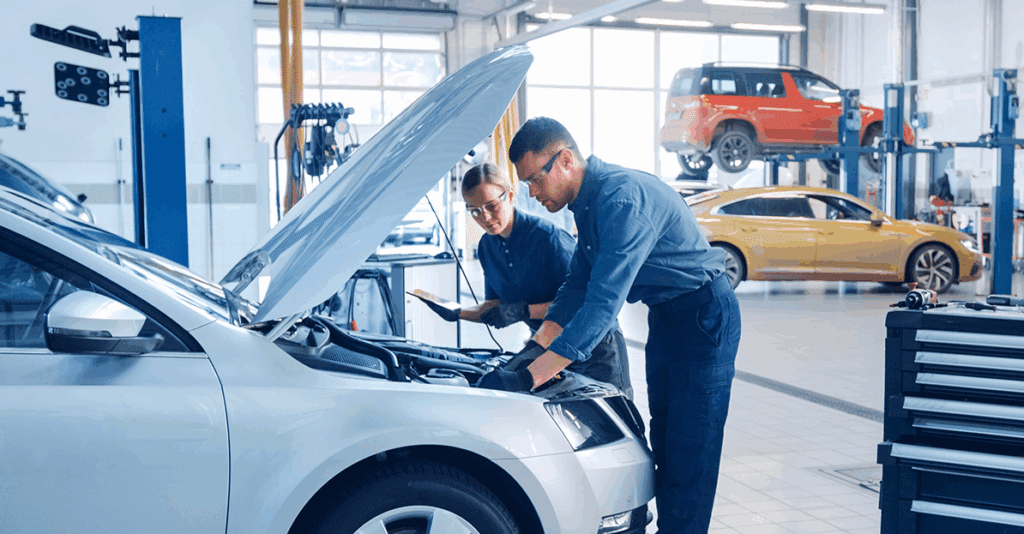
Want to reduce your chance of breakdowns and keep your car in good condition for longer? Be prepared to give it the care and attention it needs. From keeping fluid levels topped up to maintaining your tyres, find out how to look after your car with these essential vehicle maintenance tips. In this guide: Topping up engine oil Checking other fluid levels Looking after your tyres Protecting your battery Annual servicing Buy with confidence with hpi check® Learn how and when to top up your engine oil Your engine needs oil to function safely and effectively. Leaving it to chance won’t help you prevent a car breakdown. Low oil levels leave the internal components without sufficient lubrication, potentially leading to damage and costly repairs down the line. Too much oil can also damage your engine because of pressure issues. Some new cars have automatic sensors in the engine and an engine oil level warning that will come up on the dashboard. This makes it easier to know when you need to top up – you’ll just need to find the right compartment with ‘oil’ or an oil cap on it. Most older cars rely on dipsticks under the bonnet. To check your oil level, follow these steps: 1. Park on a flat surface and turn the engine off for at least 15 minutes. 2. Then find the engine oil dipstick, pull it out, wipe it clean and stick it back in. 3. Pull it out again and see where the oil line is compared to the notches on the stick. 4. If it’s between the min and max marks, it’s okay to leave. 5. If it’s below, you’ll need to top up the oil level. If it’s above, you’ll need to find a professional to drain the excess for you. When topping up, adding a bit at a time and then checking the level once it’s settled should help you avoid overfilling. If you’re unsure about which oil you need, check your owner’s manual. 100% electric vehicles (EVs) don’t need engine oil because they don’t have an engine. Know how to check other fluid levels under the bonnet Other fluids are needed to keep your car running as it should. Brake and power steering fluid are best checked by professional mechanics, but windscreen wash and engine coolant are two you can check and top up yourself if necessary. Again, some modern cars have automatic sensors that alert you when levels become too low. Many older cars will require manual checks. Find the relevant compartments under the bonnet. The windscreen wash cap is usually quite recognisable with a windscreen symbol and a dotted line through the middle. Look inside the tank and add washer fluid until it reaches the top. Resecure the cap and you’re good to go. The engine coolant reservoir should be labelled as such and must be checked when the engine is cool. There are usually markings on the side to show the min and max levels. Add more coolant fluid if it’s below the minimum mark, although your car shouldn’t lose coolant normally. If the level has dropped, it’s best to take your car to your nearest garage for inspection. Keep a close eye on your tyres Tyres are essential to your safety on the road, so inspect them regularly as part of your wider vehicle maintenance routines. Check for any signs of cuts, bulges or splits in the rubber. The legal tread limit (the depth of the grooves) is 1.6mm although tyre and safety experts think a 3mm minimum is when tyres should be replaced. There are special tread depth tools you can use or the handy 20p trick. Keep an eye on your tyre pressure, too. Over or under-inflated tyres impact safety and performance and can make yours wear faster. Modern vehicles usually have automatic sensors to tell you when pressure drops, but you can also tell by looking at the tyres. If your tyres need inflating, use an air pump at a filling station and top up to the pressure recommended in your vehicle handbook. Protect your battery Your car’s battery is used to start the engine and power the electronic systems. Battery issues are some of the most common causes of breakdowns, so you need to look after yours and maintain the charge. The best ways to do that are to: · Drive your car regularly to keep the battery charged · Avoid leaving your engine idle for too long · Don’t leave your lights, radio or other electronic outlets on while the car isn’t running It’s recommended that car batteries are replaced every 3 to 5 years, although many last longer. Watch out for signs such as your engine struggling to start or warning lights coming on your dashboard – these could signal that the end is near. Service your car at least once a year The ultimate vehicle maintenance tip to help prevent a car breakdown is to book a professional service at least once a year. Trained technicians know exactly what to look for and can spot issues before they become more serious. Many people book a service alongside their MOT to save them separate trips to the garage. Full services cover all aspects of car maintenance, while interim services have fewer points on the checklist but still cover the essentials. If you aren’t sure which service package your car could benefit the most from, consult your local garage. Buy or sell with confidence using HPI Check® Thanks for taking the time to read our guide – we hope you’ve found our essential car maintenance tips useful. While you’re here, we welcome you to check out hpi check®. If you find yourself buying or selling a car at any point, our full car history check can help you fill all the gaps and reveal the true history of any vehicle. All you have to do is enter the reg plate and let our tool do the rest. For more
New vs used cars: which should I buy?

In most cases, buying a car means grappling with various decisions. Which make? Which model? Petrol, diesel, hybrid or electric? Finance or outright purchase? But one of the most important things to consider is new vs used cars. If you’re stuck deciding between the two, welcome to our guide. Here, we’ll explore the pros and cons of both, so you can drive away knowing you’ve made the right choice. In this guide: Buying a new car ✓ Pros of buying new ✓ Cons of buying new Buying a used car ✓ Pros of buying used ✓ Cons of buying used How can hpi check® help? Buying a new car Buying new means being the first owner straight from the factory and getting the latest tech on the market. But there can be various drawbacks, including paying more upfront and potentially having to wait for your car to roll off the production line. See our full list of pros and cons below. Pros of buying new You’ll have a brand-new car You’ll be the first owner of a brand-new vehicle. No need to worry about previous owners, how the car has been treated or any unknown breakdown history. The latest technology, including advanced safety and driving assist features, is a bonus. You can customise if you want New cars also give you some level of customisation. Most manufacturers will offer upgrades and options when it comes to certain vehicle features. Different trims, infotainment systems, colours and interior finishes could help make your dream car even more perfect for you. You’ll get peace of mind with a manufacturer’s warranty With a manufacturer’s warranty in place for anywhere from 3 to 7 years, you can drive easy knowing any problems will be covered. You won’t have to worry about MOT tests for the first three years either, so your repair and maintenance costs should be quite low, too Cons of buying new You’ll pay more Any new car will cost more than a used alternative of the same make and model. It’s one of the key points in the debate between new vs used cars. Along with a higher initial purchase price, you may also have to pay more in ongoing running costs such as insurance. You’ll feel the bite of depreciation New cars lose value the moment you drive them from the dealership. This is called depreciation and it’s worth understanding before making a big investment. Most cars lose about 15-30% of their initial value in the first year and as much as 60% over the first three years after purchase. You may have to wait until it’s built If you’ve ordered a brand-new car straight from the production line, you may have to wait weeks or even months until it’s finished to get behind the wheel. The wait may be longer if you’ve requested any upgrades to the car. Buying a used car Used car sales are nearly quadruple those of new models in the UK each year. Your expenditure is much less with lower second-hand car values, and you can usually secure the keys to drive away sooner. But equally buying a used car also has pros and cons. Pros of buying used You’ll pay less to buy and insure your car The depreciation that impacts new cars means that buying used is often a great way to buy cheaper. When you compare used cars, you’ll notice that prices get lower with age and mileage for the same make and model. Cheaper cars are also usually less expensive to insure, too. You could have more options to choose from With lower prices comes a greater range of choices within your budget. You may not be able to afford a new, luxury car but a used one may be more viable. If you’ve got your eyes on a certain make or model, this could be the way to get it! You’ll be able to get the keys sooner With second-hand cars for sale on dealership forecourts or with private sellers, there’s nothing stopping you paying and driving away on the same day. This is ideal if you need a car sooner rather than later. Cons of buying used You won’t always know a car’s history With previous owners and more miles on the clock, there are more risks. You may not know if a car has had any major issues in the past or how well it’s been cared for. There’s a bit more transparency and security buying through reputable dealerships, but with private sellers it can be more difficult. Fortunately, tools such as our hpi check® can fill in some of the gaps. You may not be covered by warranty Unless you’re still covered by the balance of a manufacturer’s warranty, you’ll have to pay for repairs and servicing yourself. With a higher chance of breakdowns, the cost of maintaining your car could be much higher. Don’t forget, you’ll also need to pay for an annual service for cars over three years old. You won’t have the latest tech and features Older cars can seem quite dated if you’re used to something more modern and advanced. However, buying newer used cars could mean you still get all the features you need while retaining some of the cost benefits. Use hpi check® for your next purchase The right decision for you depends on a few factors like your budget, preferences and tolerance for risk. If you’re going for something used, try our second-hand car check tool: hpi check®. It’s a car history check you can trust. Use it to find out if a car has been stolen, written off or scrapped, as well as for information about its mileage, MOT history and much more. Simply enter the reg number and we’ll do the rest.
How to negotiate car values

Knowing how to negotiate car prices can be a hugely valuable skill – and it can make the prospect of buying a second-hand car feel less overwhelming. After all, it’s in your interest to get the best value for money when making such a big purchase. Fortunately, there are some simple steps you can take to prepare for these types of discussions. Whether you have your eyes set on an old or new set of wheels, it’s important to be equipped with plenty of knowledge and have a strategy in place. How should I prepare? Knowledge is power and power takes training, so knowing how to negotiate car prices involves a level of preparation. A little bit of effort to get you up to speed can give you more tools to achieve the best outcome. Research the market Before entering a car value negotiation, research the market to understand local pricing trends. Compare similar models in your area and check regional variations – travelling a bit further might open up better deals. Browse online listings, too, and use digital tools like free, instant car valuation and total cost of ownership calculators. Factor in mileage and condition, as these significantly impact value. A high-mileage car typically sells for less due to increased wear and tear, though an older car may have fewer miles than a newer one. Understand how condition can affect price When assessing a car’s condition, consider both its appearance and performance. While scratches can be repaired, safety should be your top priority. Inspect the vehicle thoroughly –scratches, dents and other cosmetic flaws can be useful bargaining points. A test drive is essential, as it can uncover unusual noises and give you a better sense of the car’s overall condition and drivability. Review the car’s service history to gauge how well it has been maintained. A full service record often increases a car’s value but missing documentation can be a negotiation tool. Check the number of previous owners and ask the dealer for context – while fewer owners can be a good sign, condition matters more. Consider any potentially costly repairs and factor them into your negotiation. It may be wise to get a vehicle history check, where you can verify the car’s MOT history and check additional details such as accident records and mileage accuracy. What are some common car price negotiation strategies? There are several strategies you can use when entering a car value negotiation with a seller: · Do your homework: It’s helpful to come prepared with a few examples you can use as a comparison point. Don’t be afraid to let the salesperson know that you’re gathering quotes for comparison, as this can work in your favour. · Be strategic with your initial offer: The first price you bring to the table can be integral to the direction of the negotiation. Start by offering a price that’s slightly below your budget so you have room to negotiate upwards. · Use the car’s condition as leverage: Inspecting the vehicle is key. Note down any scratches, dents or tyre wear so you can mention these when working out a price. For example, if a tyre looks like it needs replacing soon, you can ask for the price to be lowered to cover this. Tips for negotiating car value Here are some of our top car-buying negotiation tips: · Thoroughly research the market value of the car you’re interested in · Understand the car’s condition and how this might affect its price · Have a clear budget in mind · Be prepared to walk away if the price isn’t right · Be polite but firm in your negotiations · Use third-party validation, such as an hpi check® Reveal a vehicle’s history with hpi check® From highlighting insurance write-offs to confirming the number of previous owners, an hpi check® can help you get to know a car more thoroughly, so you can enter a car value negotiation with confidence. We’re the longest-running vehicle check service, with over 85 years of experience, and we have the backing of a £30,00 guarantee. A secure car purchase can offer peace of mind and save you money in the long term. Don’t forget to visit our knowledge hub for more information about owning, buying and selling vehicles, alongside other helpful insights.