

Hybrid cars explained
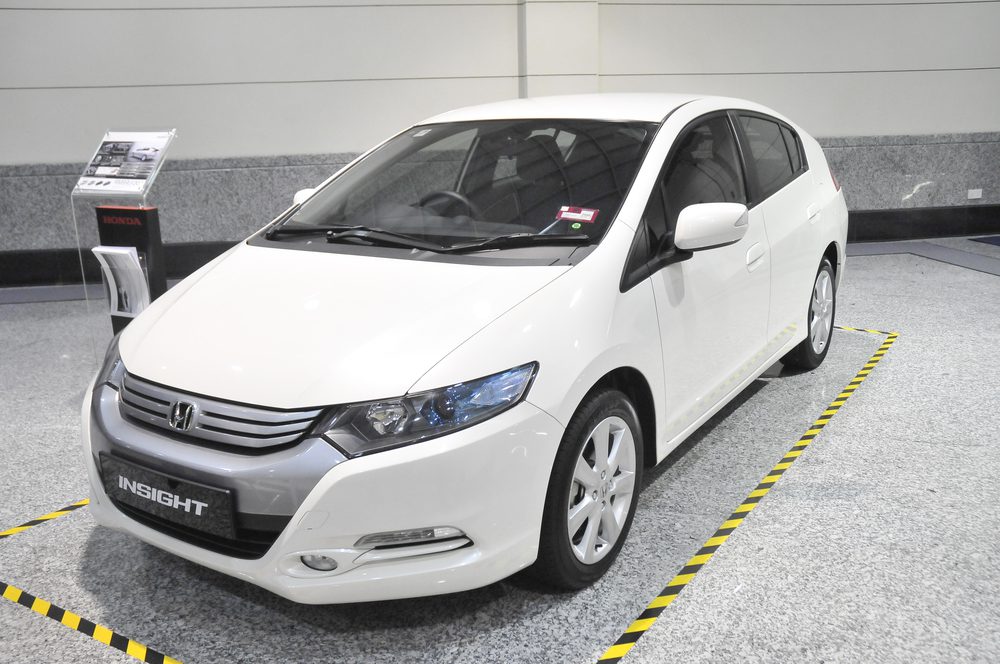
OK, here’s your starter for 10: what was the first hybrid car to go on sale in the UK? It was the Toyota Prius, wasn’t it? Of course it was; this was the car that all around the world went on to become synonymous with hybrid technology. Except the Prius wasn’t the first hybrid to be sold in the UK; it was actually the original Honda Insight, now forgotten thanks to less than 200 having been sold here. Meanwhile the second-generation Insight has come and gone and the Prius continues to sell in huge numbers, now in fourth-generation form. However, the Prius was the first hybrid to go on sale in its native Japan, more than two years before the Honda arrived. Toyota had realised that conventional petrol and diesel-powered cars are just too inefficient; too much energy is lost in everyday driving, leading to poor fuel economy. What Toyota did by inventing the first practical, usable hybrid, was to come up with a way of reducing the amount of energy wasted through driving – or more specifically, a way of capturing the energy that would otherwise be lost every time the car slows down. To understand the point of a hybrid, a short physics lesson is needed – but we’ll keep it simple. The key point at the heart of the hybrid is that you can’t create or destroy energy, you can only convert it from one form to another. Some of the different types of energy include light, heat and motion, with the last one known as kinetic energy. In a conventional car an engine generates lots of heat and the rest (the minority) is converted into kinetic energy by getting the car up to speed. Every time the car is braked, kinetic energy is converted into heat and that energy then disappears into the atmosphere. What a hybrid car does, is to convert that kinetic energy into electricity which is then stored in a battery pack; it does this through a regenerative braking system. So to summarise, a car uses a petrol or diesel engine to burn fuel which then produces the power to produce forward motion. It’s just the same in a hybrid, but when you slow down a battery pack is topped up with electricity from the regenerative brakes. At low speeds the batteries power an electric motor which allows the car to be an electric vehicle at low speeds and for short distances. Then as the speed and distance increase, to save the batteries being depleted too quickly, the engine cuts in to drive the car conventionally.