

An introduction to electric cars
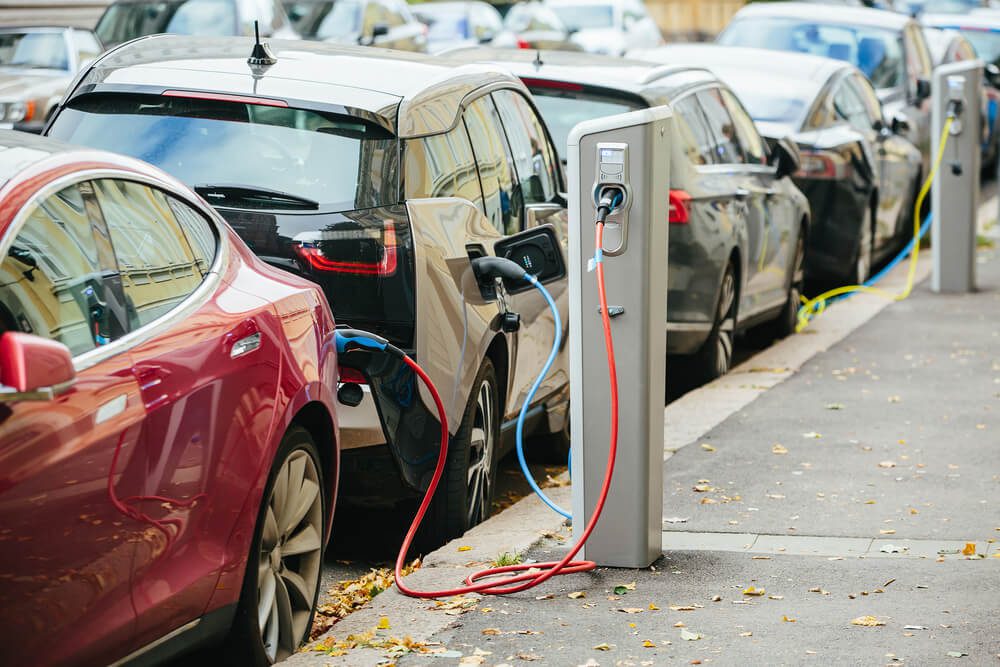
Once the car had been invented in 1885 by Karl Benz, it didn’t take long for a massive global industry to spring up, with thousands of tiny companies around the globe each building small numbers of cars. The thing is, while the internal combustion engine (ICE) was in its infancy at the turn of the last century, so was the widespread use of electricity. As a result, car buyers could choose between electric and ICE models – while there were also a few steam options. Many of the cars being built back in the late 1800s and early 1900s were powered by electricity, because while they took ages to charge and had a very limited range, they weren’t much less practical than a petrol-powered car. The latter had to be hand cranked to get them started and they were slow, noisy and unreliable once they were running. Electric cars could be started instantly and were much easier to drive as well as less anti-social as they were far quieter. At this point, most people were still relying on horses to get around and as a result few people travelled very far back then, but as the car evolved to become faster, more efficient and much more usable, the electric car got left behind. What effectively killed off the electric car in one fell swoop was the Ford Model T; it cost little more than a third of the electric alternative as it was mass produced.