

Hollywood’s hottest motors – hpi reveals what iconic movie cars could be worth today
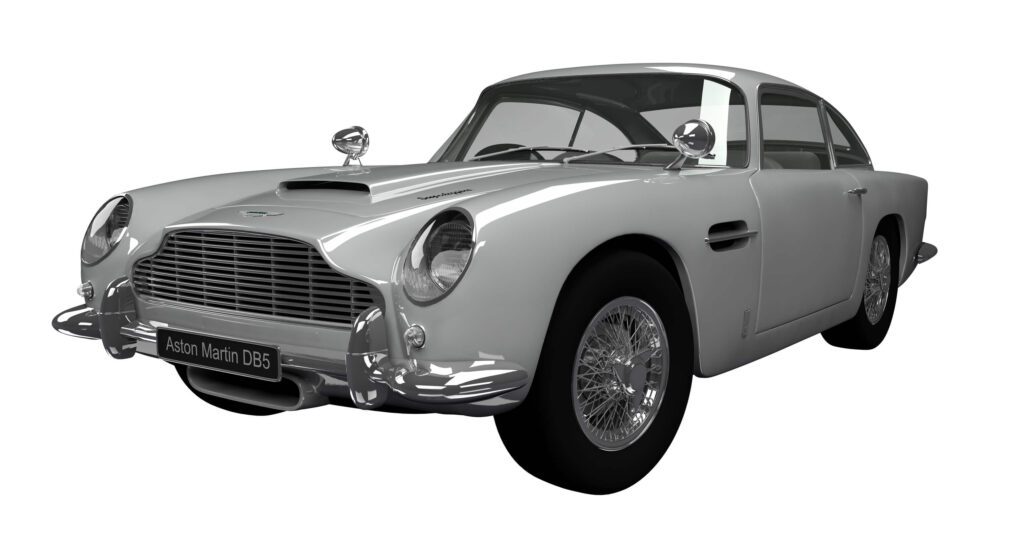
As the annual Oscar winners are announced in Hollywood on Sunday 26 February, automotive experts, hpi has revealed its list of the most iconic cars to star on the silver screen and what they could be worth today. Following a poll amongst its team of motoring editors, hpi has identified the top 10 most iconic movie cars:
Winter Driving
We previously posted a blog full of top advice on how to prepare your car for winter driving. That was the easy bit – but how do you cope with driving when the temperatures plummet and the roads are covered in snow and ice? If you had to guess whether the roads are safest in the summer or the winter, which would you go for? It’s a no-brainer isn’t it? In the winter there’s the spectre of sub-zero temperatures to contend with, as well as fog and darkness. So if you find the idea of summer driving nerve-wracking, you’ll probably be freaked out by the notion of getting behind the wheel when things get icy. But while driving is more hazardous in the winter than the summer, if you’re properly prepared there’s nothing to be afraid of. The key thing to remember when it gets really cold is that you can’t afford to be lulled into a false sense of security. Even when things look safe, they may not be, so always drive carefully. When the temperatures fall, road surfaces are often wet and/or covered in frost, ice or snow – but not necessarily uniformly. Here’s how to deal with it: