

Winter tyres
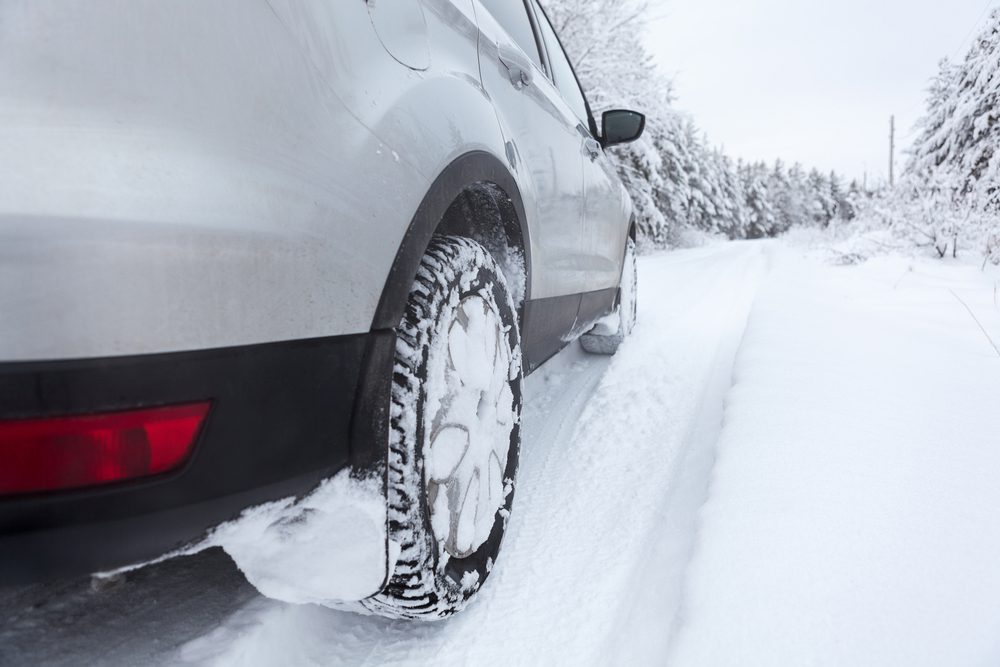
If there are two things that don’t mix, it’s conventional summer tyres and icy roads. They’re the motoring equivalent of strawberries and mustard, or lamb chops with clotted cream. You just don’t want to go there. But if you’re reliant on your car to transport you whatever the weather, what can you do to keep moving when the temperatures plummet? Investing a few hundred quid in a set of winter tyres is the simple answer. When the temperature drops below seven degrees centigrade, the rubber in conventional tyres hardens and grip is reduced. Winter tyres feature a compound which stays soft even when the mercury drops below zero, so getting going is easier, while braking distances are reduced too – from 30mph, you could stop in just 35 metres compared with the more usual 43 metres. As a result, you can get going more easily, stop more quickly, and when you corner your car will feel much more stable. For years, some drivers in mainland Europe have been compelled to fit winter rubber in low temperatures. It’s one of the reasons why Scandinavian countries don’t grind to a halt when the snow hits; they just fit their winter tyres and keep driving. Recent harsh winters in the UK and lots of publicity has led to an increasing number of drivers here adopting European practice, but many drivers remain unconvinced.