

What dictates the value of your car
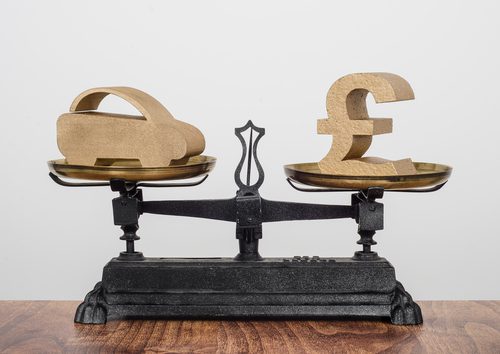
You’ve probably heard a thousand times that something is worth only what somebody will pay for it, but what dictates how that figure is set? Why is one car worth £500 and another 10 or 100 times as much? It’s down to a multitude of factors but at a simple level a car’s value is driven by the balance of supply and demand along with its original selling price. So if it was expensive to start with and very sought after, it will continue to be valuable – but if there’s little demand for it, its value will quickly drop. Conversely, if a car is cheap to start with it’s unlikely to become more valuable, so will always be worth relatively little. For more on car depreciation and residuals check out our blog on the subject. In the meantime, these are the key things that will affect your car’s value. Image Arguably the thing that makes the biggest difference to your car’s value is something that’s subjective and driven at least partly by reputation. In the UK we like our premium marques whereas mass-market products aren’t so highly regarded. As a result we’re happy to pay a higher price for a car from an upmarket brand, even if the car isn’t as reliable or such good value as a cheaper alternative. Sometimes a car doesn’t have much of an image because of limited awareness through a lack of marketing – and it’s these that can make the best used buys. Condition If you’ve got a mainstream car to sell, one of the things that will make the biggest difference to its value is its condition. If it looks abused nobody will want to buy it – why would somebody buy a car with grubby paintwork and stained interior trim when they can find a better example elsewhere? Buyers will pay a premium for a car in immaculate condition and the same goes for one that’s covered a low mileage and comes with a full service history.