

Why you should get a car valuation

Five reasons why you should get a car valuation The value of anything is driven by the balance of supply and demand, and it’s no different for cars. How well a car retains its value depends on how desirable it is and how many of them are available – so even if there’s a good supply, you can still pay plenty if there’s also a strong demand. Just look at cars such as the BMW Mini, Audi A3 and Range Rover Evoque. There’s one on every corner, but because they’re also held in such high esteem by used car buyers, you’ll always pay plenty to buy one. The thing is, there’s no way of knowing what your car is worth without referring to some kind of valuation service. Just because you paid £10,000 for it a year ago, it’s impossible to say what it’s worth now. Besides, if you bought it from a trader you’ll have paid top whack for it, and it’ll immediately be worth significantly less than you shelled out for it if you then sell it privately or trade it in. To understand this better, check out our blog on how depreciation works. And here we’ve opened a can of worms, because your car doesn’t have a set value as such. Instead it has a range of values depending on whether it’s for sale at a dealer, being traded in against another car or being sold privately. It might also be going for auction – in which case that’s yet another value you can put against it.
What happens if I’m caught drink driving?
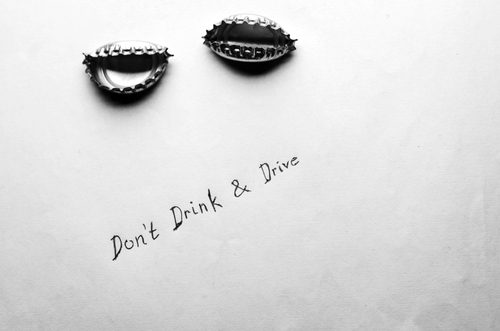
It’s almost half a century since the breathalyser was introduced in the UK. When the technology was rolled out as part of the Road Safety Act it heralded a new era, with drink-related deaths and injuries steadily dropping. When you consider the number now stands at around 240 per year you might be shocked, but 30 years ago the figure was 990 – and in 1979 it was a massive 1,640. Unfortunately while ‘only’ 240 people are killed on our roads each year because of alcohol, a whopping 85,000 lose their licence because they’re caught driving over the limit – and 85 per cent are men. The number of drinks you’ve had makes no difference – whether you’re just over the limit or well over the limit, in the eyes of the law you’re still a convicted drink driver and the consequences are exactly the same. A lot of people get caught out driving the morning after they’ve had a skinful; the alcohol in your system takes time to disappear. How quickly you breach the legal limit and how fast your blood/alcohol level drops is dependent on a variety of factors including your sex, weight, metabolism and how often you drink alcohol. They key thing though is that if you’re caught out the morning after, the penalties are exactly the same. The penalties The penalty you receive is up to the magistrates who hear your case, and depends on your offence. You may be able to reduce your ban by taking a drink-drive rehabilitation scheme (DDRS) if you’re banned from driving for 12 months or more. It’s up to the court to offer this but there’s a variety of drink-driving offences. These are what they are and the possible penalties: If you’re caught in charge of a vehicle while above the legal limit or unfit through drink you can be imprisoned for up to three months and fined up to £2,500. You can also be banned, although this is discretionary. Get caught driving or attempting to drive while above the legal limit or unfit through drink and you’ll definitely lose your licence for at least a year. You also face an unlimited fine and you can be imprisoned for up to six months.