

What is an Insurance write-off? Car write-off categories explained
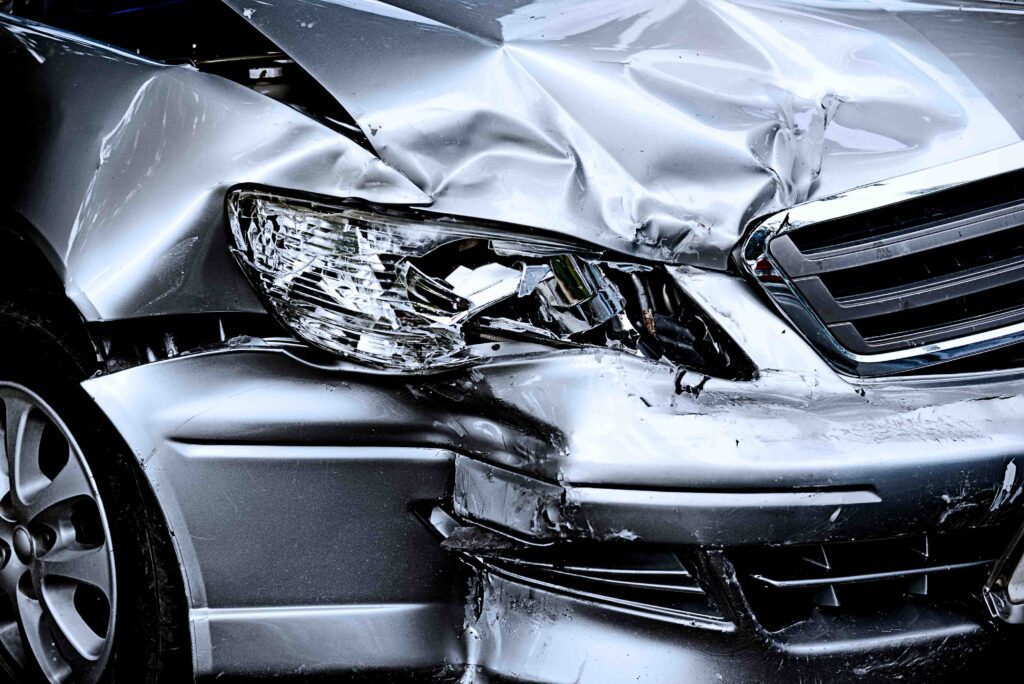
Your car may have sentimental value and you probably love it even if you’re not especially attached to it. After all, your car gives you the freedom to go where you want, when you want. But to your insurance company it’s just another commodity; something to be disposed of at the stroke of a pen. As a result, if your car gets damaged and repairing it will cost too much relative to its value, it’ll be written off, at which point it becomes a ‘total loss’. In some cases such cars have to be scrapped but in many instances they’re free to be sold on. Generally, a car will be written off if repairing it will cost more than half of what it’s worth. For example, you might own a supermini worth £5,000 and you drive into the back of someone at low speed. But as a result the radiator, bonnet, headlights, bumper and front wings all need to be replaced, along with a stack of small bits in the nose. The cost of the parts and labour to put it back together (including repainting) could easily be £3,000-£4,000. No insurance company will sign that off; they’ll just cough up for the value of the car then bin it. The less a car is worth, the more likely it is to be written off. Sometimes though, high-value cars are written off because they’re damaged so badly. This is where the category (or ‘Cat’) system comes in, as it gives some indication of how badly damaged a car was when it was written off. The groups are Cat A, Cat B, Cat C and Cat D. What the categories mean: Cat A cars are so badly damaged that they must be scrapped, with very little salvagable. Cat B cars can’t go back on the road and their bodyshell must be crushed, although some parts can be reused. Cat C cars can go back on the road, but repair costs will be more than the pre-accident value. Cat D cars have sustained damage that’ll cost less than the value of the car to repair.