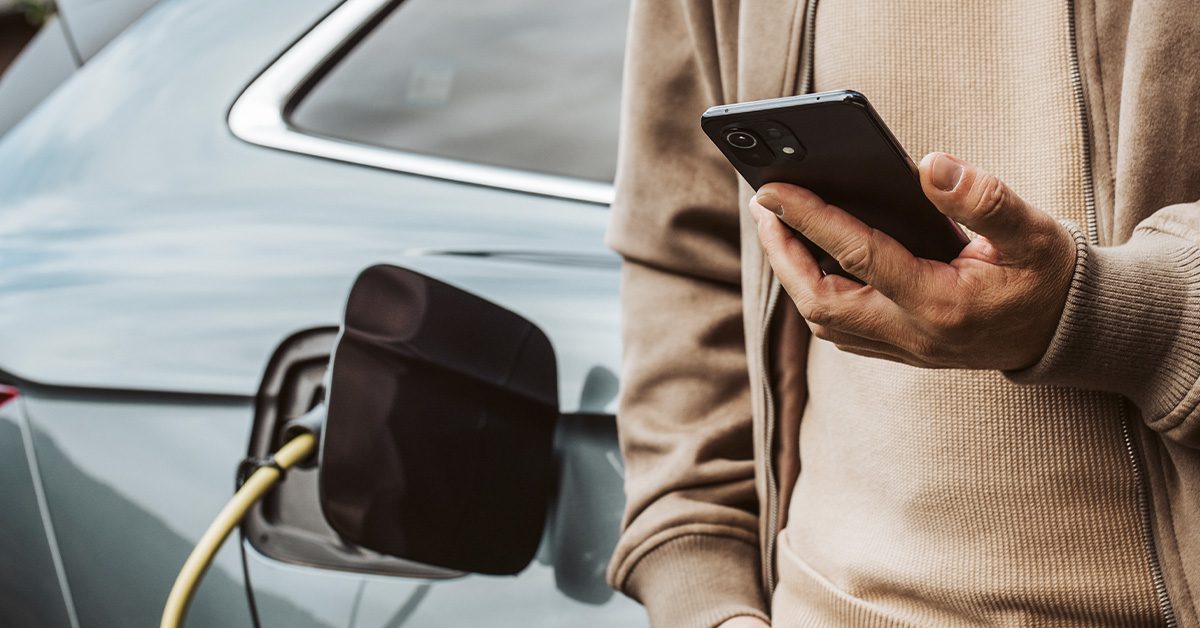
Switching to an EV (electric vehicle) is a decision more and more people in the UK are considering.
There were almost 1.4 million fully electric cars on British roads at the end of 2024, a year in which EVs made up one in five of all new vehicles sold.
You might be interested in EVs due to growing concerns about the environment, rising fuel costs or simply because new tech is your thing. This blog will guide you through the benefits, practical considerations and whether now is the right time to switch to an EV.
What are the benefits of electric cars?
Cost savings
Saving money on running costs is a significant EV car advantage. Charging an EV could be over 80% cheaper than filling up a tank with petrol or diesel.
Maintenance costs are also lower. EVs have fewer moving parts than internal combustion engines, which means fewer things that wear down and need replacing. You won’t need to replace items like timing belts or deal with oil changes. These savings can soon add up.
Environmental impact
Fully electric cars produce zero tailpipe emissions, while hybrid cars also greatly reduce your emissions – especially if you live in urban areas, where the electric motor will be mostly in use.
Even better, if you charge your car using renewable energy at home, you can drive knowing you’re contributing to a greener future.
Government incentives
Financial benefits associated with EV ownership have come and gone in recent years as the UK political scene has shifted. You no longer receive a grant towards the purchase price of EVs, while fully electric cars will be subject to road tax for the first time in 2025 – albeit at a reduced rate. EV drivers do benefit from lower company car tax rates and exemptions from congestion and low-emission zone charges.
What are the advantages of switching to an EV now?
Switching to an EV now could save you money and help you stay ahead of upcoming regulations. The UK plans to ban the sale of new petrol and diesel cars by 2030. While this might seem far off, buying an EV now allows you to get familiar with the technology and make the most of early adoption benefits, like any remaining government grants and incentives.
The infrastructure for EVs is also improving rapidly. Charging stations are becoming more common and manufacturers are releasing more affordable and efficient models each year. By switching now, you’ll join a growing group of drivers enjoying the convenience and savings of electric vehicles.
Is an EV right for you?
EVs are good for the planet and the en-vogue choice among motorists. But is one right for you? Here are some things to consider:
Charging infrastructure: If you have a driveway or garage, a home charging point makes refuelling convenient and cost-effective. On average, a home charger costs around £1,000 to have installed. Some households may be able to access a government grant to help with installation. If you rely on public charging points, check the availability of stations in your area.
Driving habits: Consider how far you typically drive each day. Most modern electric cars have ranges between 150 and 300 miles on a full charge, which is more than enough for commuting and errands. However, you’ll have to plan how you’ll manage charging stops if you frequently travel long distances.
Driving style: Driving an EV is noticeably different to getting behind the wheel of a manual petrol or diesel car. Considerably swifter acceleration is just one factor to consider. The lack of engine noise is another thing that can take time to adjust to. Test-driving several electric models is highly recommended before jumping into a purchase.
Initial cost: Electric cars are typically more expensive upfront than similar petrol or diesel models. However, when you factor in the savings on fuel, tax and maintenance, the total cost of ownership often becomes comparable – or even cheaper – over time. There is a growing market for used EVs now that these cars have been on the road for some time, which can cut your upfront costs. Naturally, buying a used EV comes with the same considerations and precautions as any second-hand vehicle.
Switch to EV in confidence with HPI Check®
Buying a used car can make switching to an EV more accessible. But buying any used car comes with an element of risk if you don’t know about the vehicle’s past.
Luckily, HPI Check® makes it simple to verify your car’s history, whether it’s petrol-powered or an EV.
We’re backed by more than eight decades of experience and a £30,000 data guarantee, so you can make sure an EV hasn’t been stolen, written off or isn’t subject to outstanding finance before purchasing and drive away in confidence.
Want more motoring tips? Check out our knowledge hub to stay ahead of the curve.